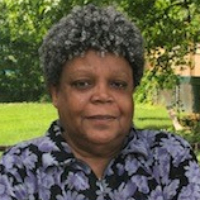
Kellie Cousino
LCSW, LISW-CP
Licensed Clinical Social Worker - stress and addiction
- Anger
- Stress, Anxiety
- Addictions
A directory of US therapists who hold an LCSW license
In crisis? Call or text 988LCSW license holders
2,058 clinical social workers list anger among the topics they work with. All offer sessions online, and every profile shows each state license and the NPI.
On this page you'll find licensed clinical social workers (LCSWs) who list anger as a focus area across the United States. Browse the listings below to review their approaches, experience, languages, and practice settings.
LCSW, LISW-CP
Licensed Clinical Social Worker - stress and addiction
LCSW
Licensed Clinical Social Worker - Relationships and Stress
LCSW
Licensed Clinical Social Worker - Stress and Relationships
LCSW
Licensed Clinical Social Worker - stress and relationships
LISW-CP, LCSW
Licensed clinical social worker - stress and trauma
LCSW
Licensed Clinical Social Worker - Stress and Trauma
LCSW
Licensed Clinical Social Worker - Trauma and Life Changes
LICSW, LCSW
Licensed Clinical Social Worker - Stress and Relationships
LCSW
Licensed Clinical Social Worker - anxiety and relationships
LCSW
Licensed Clinical Social Worker - Relationships and Trauma
LCSW
Licensed Clinical Social Worker - Mood and relationships
LCSW
Licensed Clinical Social Worker - Relationships and Parenting
LCSW
Licensed Clinical Social Worker - Stress and Relationships
LCSW
Licensed Clinical Social Worker - Depression and Anxiety
LCSW
Licensed Clinical Social Worker - Relationships and Addictions
LCSW
Licensed Clinical Social Worker - relationships and life changes
LCSW
Licensed Clinical Social Worker - Stress and Anxiety
LCSW
Licensed Clinical Social Worker - Stress and Addictions
LCSW
Licensed Clinical Social Worker - Stress and Trauma
LCSW
Licensed clinical social worker - trauma and grief
LCSW
Licensed Clinical Social Worker - Anxiety and Trauma
LMSW, LCSW, CSW
Licensed clinical social worker - relationships and coping
LCSW, LISW-CP
Licensed Clinical Social Worker - Stress and Trauma
LCSW
Licensed Clinical Social Worker - Relationship and Stress
LCSW, LPC
Licensed Clinical Social Worker - Stress and Family Issues
LCSW
Licensed Clinical Social Worker - Stress and Trauma
LCSW
Licensed Clinical Social Worker - Stress and Addictions
LCSW
Licensed Clinical Social Worker - stress and parenting help
LCSW
Licensed Clinical Social Worker - Addictions and Trauma
LCSW
Licensed Clinical Social Worker - stress and anxiety
LCSW
Licensed Clinical Social Worker - Relationship and Trauma
LCSW
Licensed Clinical Social Worker - stress and trauma
LCSW
Licensed Clinical Social Worker - stress and anxiety
LCSW
Licensed Clinical Social Worker - grief and life changes
LCSW
Licensed Clinical Social Worker - Stress and Addictions
LCSW
Licensed Clinical Social Worker - Stress and Relationships
LCSW
Licensed Clinical Social Worker - mood and relationship concerns
LCSW, LISW
Licensed Clinical Social Worker - relationships and life changes
LCSW
Licensed clinical social worker - anxiety and trauma
LCSW
Licensed Clinical Social Worker - stress and relationships
LCSW
Licensed Clinical Social Worker - Stress and Anxiety
Some links on this page are partner links. We will earn a commission if you sign up through one, at no cost to you. It does not change what you pay or the order of the listings.
Anger is a normal human emotion that signals you when boundaries have been crossed, when needs are unmet, or when you perceive threat or injustice. It can range from mild irritation to intense rage, and it often comes bundled with other feelings such as hurt, fear, or shame. For many people anger is a response to a broader set of stresses - changes at work, relationship strain, financial pressure, health concerns, or ongoing family dynamics. Social workers emphasize that emotions do not exist in isolation. An LCSW will look at the whole picture around you - where you live, who you rely on, what resources are available, and how systems and relationships shape your experience - to understand why anger shows up the way it does.
Left unexamined, anger can influence your day-to-day life in ways you may not immediately notice. It can affect your decision making, your ability to sleep, and your communication with people who matter. It can also appear indirectly through avoidance, passive-aggressive behavior, or physical symptoms like headaches and tension. Recognizing that anger often reflects deeper needs or unmet conditions is a useful first step toward responding to it differently. Working with an LCSW can help you explore those underlying factors while keeping attention on the practical realities of your environment and supports.
You might consider seeking professional help for anger if you notice it causing repeated conflict in your relationships, getting in the way of your work or school performance, or making daily life more stressful. If angry outbursts happen more frequently than you would like, if you find yourself ruminating on slights or replaying conflicts for hours or days, or if you avoid people or situations to prevent anger, those are signals that a focused approach could be helpful. Some people turn to therapy after a single event that felt unmanageable, while others notice a pattern of unresolved frustration that undermines long-term goals.
An LCSW will pay attention not only to the emotion itself but to the environmental pressures that sustain it. If housing instability, caregiving responsibilities, job strain, or financial stress are part of your life, these factors are relevant to understanding and managing anger. You may also benefit from support if physical symptoms related to stress and anger - such as tension, insomnia, or headaches - are recurring. Choosing to meet with an LCSW can help you address both the emotional responses and the practical situations that contribute to them.
When you first meet with an LCSW, you can expect a conversational assessment that explores your goals, history, and current circumstances. The LCSW will ask about what anger looks like for you, what tends to trigger it, and how you typically respond. Expect questions about your relationships, your daily routines, and any stressors related to housing, work, or finances. Because social work training emphasizes person-in-environment, the initial work will include practical details that bear on emotional health, such as access to social supports and community resources.
As sessions continue, you and your LCSW will identify patterns and experiment with strategies that fit your life. This can include learning new communication skills for expressing needs without escalating conflict, practicing grounding and stress-reduction methods to reduce physiological arousal, and planning concrete steps for changing situations that repeatedly trigger anger. An LCSW is likely to integrate attention to environmental supports - such as connecting you with community resources, advocacy, or problem-solving around housing and employment - alongside techniques for managing emotion. Sessions aim to be collaborative so that the strategies you develop are realistic and sustainable for your circumstances.
There is no single way to work with anger, and LCSWs draw on a range of approaches depending on their experience and the needs you describe. You may encounter therapists who list cognitive-behavioral therapy (CBT) among their approaches, which focuses on identifying thought patterns that fuel angry responses and testing new ways of interpreting situations. Some therapists may list dialectical behavior therapy (DBT) among their approaches, emphasizing emotion regulation and distress tolerance skills. Others may list mindfulness-based techniques or relational and family systems approaches that look at patterns between people.
Because the directory records only the approaches therapists list, you should expect conversations about how a given LCSW applies those ideas in practice. You might meet therapists who list narrative or trauma-informed approaches among their methods; in that context the focus can include how past experiences shape current emotional responses. Keep in mind that an LCSW’s person-in-environment perspective means they often prioritize interventions that are relevant to your living situation, relationships, and supports as much as internal processes.
Online therapy with an LCSW can be a practical option if you prefer remote sessions or if in-person care is difficult to access. Sessions commonly take place by video call, and some LCSWs also offer phone sessions depending on state regulations and their practice policies. When you work online, you still engage in the same kinds of assessment and planning you would in person, with attention to how your home environment, work schedule, and technology access influence what is realistic for you.
Online work can make it easier to maintain continuity of care during busy periods and can allow for more flexibility in scheduling. It also presents unique considerations - like finding a quiet place where you feel comfortable speaking about sensitive topics, arranging childcare if needed, and ensuring your device and internet connection support the session. An advantage of working with an LCSW online is that they can help you connect to community resources in your area and tailor strategies to the specific constraints and supports you have where you live.
When you look through profiles, focus on how an LCSW describes their experience with anger and related concerns. Pay attention to the focus areas they list, the approaches they mention, and any notes about populations they commonly work with. Languages spoken, professional background, and the types of settings they practice in - for example community agencies, independent practice, or integrated health clinics - can also affect whether a particular LCSW is a good fit for your needs.
Because LCSWs are licensed at the state level, scope of practice and titles can vary. It can be helpful to learn a bit about the licensing requirements in your state so you understand the credential. Remember that the person-in-environment perspective typical of social work means an LCSW will likely consider both emotional work and the practical elements of your situation. When you find a profile that resonates, think about what matters most to you - such as communication style, cultural understanding, or experience with family systems - and use those factors to guide your choice.
Finding the right professional to work with on anger is a personal process. Taking time to read profiles, noting who emphasizes real-world problem solving alongside emotion-focused work, and selecting a clinician whose stated approach and experience align with your goals can increase the chances of productive collaboration. Working with a licensed clinical social worker offers a perspective that integrates feelings, relationships, and the environmental realities shaping your life, so you can develop practical strategies that fit your circumstances.