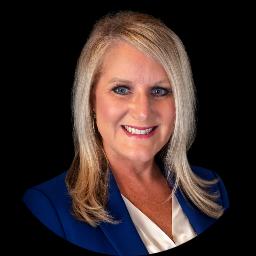
Kellie Cousino
LCSW, LISW-CP
Licensed Clinical Social Worker - stress and addiction
- Stress, Anxiety
- Addictions
- Trauma and abuse
A directory of US therapists who hold an LCSW license
In crisis? Call or text 988LCSW license holders
1,753 clinical social workers list attachment issues among the topics they work with. All offer sessions online, and every profile shows each state license and the NPI.
This directory lists licensed clinical social workers (LCSWs) who work with attachment issues. Browse the LCSW profiles below to explore their focus areas, experience, and languages.
LCSW, LISW-CP
Licensed Clinical Social Worker - stress and addiction
LCSW
Licensed Clinical Social Worker - Relationships and Stress
LCSW
Licensed Clinical Social Worker - mood and relationship support
LCSW
Licensed Clinical Social Worker - Stress and Relationships
LCSW, CSW
Licensed Clinical Social Worker - Stress and Trauma
LCSW
Licensed Clinical Social Worker - Anxiety and Trauma
LCSW
Licensed Clinical Social Worker - Trauma and Life Changes
LCSW
Licensed Clinical Social Worker - anxiety and relationships
LCSW
Licensed clinical social worker - Stress and ADHD
LCSW
Licensed Clinical Social Worker - Stress and Identity
LCSW
Licensed Clinical Social Worker - Relationships and Trauma
LCSW
Licensed Clinical Social Worker - Relationships and Trauma
LCSW
Licensed Clinical Social Worker - Mood and relationships
LCSW-R, LCSW
Licensed Clinical Social Worker - Family and Trauma
LCSW
Licensed Clinical Social Worker - Trauma and Family Concerns
LCSW
Licensed Clinical Social Worker - Trauma and relationships
LCSW
Licensed Clinical Social Worker - Stress and relationships
LCSW
Licensed Clinical Social Worker - Trauma and Addictions
LCSW
Licensed Clinical Social Worker - Stress and Anxiety
LCSW
Licensed Clinical Social Worker - Stress and Trauma
LCSW
Licensed clinical social worker - trauma and addiction
LCSW, LPCC
Licensed Clinical Social Worker - Stress and Parenting
LCSW
Licensed Clinical Social Worker - mood and relationships
LCSW
Licensed Clinical Social Worker - Depression and Anxiety
LCSW
Licensed Clinical Social Worker - Stress and Trauma
LCSW
Licensed Clinical Social Worker - trauma and mood concerns
LCSW
Licensed Clinical Social Worker - Relationships and Addictions
LCSW
Licensed Clinical Social Worker - Stress and Anxiety
LCSW
Licensed clinical social worker - relationships and trauma
LICSW, LCSW
Licensed Clinical Social Worker - Career and Life Changes
LCSW
Licensed clinical social worker - mood and relationship concerns
LCSW
Licensed Clinical Social Worker - Stress and Addictions
LCSW
Licensed Clinical Social Worker - Stress and Relationships
LCSW
Licensed Clinical Social Worker - Stress and Trauma
LCSW
Licensed Clinical Social Worker - Anxiety and Trauma
LCSW
Licensed Clinical Social Worker - Family and Parenting
LCSW
Licensed Clinical Social Worker - Stress and Relationships
LCSW
Licensed Clinical Social Worker - Mood and Trauma
LCSW, LISW-CP
Licensed Clinical Social Worker - Stress and Trauma
LCSW
Licensed Clinical Social Worker - Relationship and Stress
LCSW
Licensed Clinical Social Worker - Stress and Addictions
LCSW, CSW
Licensed Clinical Social Worker - mood and trauma
LCSW
Licensed Clinical Social Worker - Mood and relationships
LCSW
Licensed Clinical Social Worker - Stress and Relationships
Some links on this page are partner links. We will earn a commission if you sign up through one, at no cost to you. It does not change what you pay or the order of the listings.
Attachment refers to the emotional bonds formed early in life with caregivers and the patterns those bonds create for later relationships. When attachment patterns make it difficult to form trust, manage emotions, or feel comfortable with closeness, people may experience what clinicians refer to as attachment issues. These can show up as difficulty trusting partners, a fear of abandonment, chronic relationship conflict, an intense need for reassurance, or avoidance of intimacy. Attachment difficulties often intersect with life circumstances - housing instability, workplace stress, caregiving burdens, and community supports all influence how those patterns appear in daily life.
Because LCSWs train in a person-in-environment perspective, they bring an eye for how social and material factors shape attachment-related struggles. An LCSW will consider not only your internal experience but also the systems that affect you - family dynamics, employment, housing, financial stress, and access to social supports. That broader view can help you uncover why certain relational patterns have persisted and what practical changes might support new ways of relating.
If you frequently feel intensely anxious or shut down in close relationships, you may be experiencing attachment-related distress. You might notice cycles of pushing people away after they get close or clinging to partners to avoid perceived rejection. Repeated difficulties with intimacy in friendships, romantic relationships, or with family members are often an indicator that underlying attachment patterns are active. In other cases you may find yourself repeatedly choosing partners who echo old relationship templates, or you may feel chronically on edge about whether others care for you.
Attachment issues can also show up through emotional regulation challenges. You may have sudden mood shifts in response to perceived slights, or you may find it hard to calm yourself after conflict. Some people cope by isolating, avoiding vulnerability, or prioritizing independence to the point of emotional estrangement. If these patterns cause persistent distress or interfere with your goals, working with an LCSW who understands attachment can help you recognize patterns and develop alternative ways of connecting.
When you begin with an LCSW, expect an initial period of assessment where the clinician gathers information about your relationship history, current life circumstances, and the ways attachment patterns show up for you. Because social work emphasizes context, this assessment will include questions about housing, work or school, family supports, and any barriers to care. The LCSW will use this information to form a picture of how your environment and relationships interact with your emotional patterns.
In ongoing sessions you and the LCSW will work collaboratively to identify specific goals - for example, improving communication, managing anxiety in relationships, or developing boundaries that reflect your needs. Sessions often involve exploring past relationship experiences and how they shape current reactions, practicing new ways of relating in the safety of the therapy setting, and applying those practices in daily life. You can expect the pace to reflect your readiness to explore sensitive material; some people move quickly into emotional topics, while others prefer a gradual process that builds trust over time.
Therapists who work with attachment issues often draw on a range of approaches to support relationship change. Some describe using relational or attachment-informed frameworks that focus explicitly on patterns of closeness and distance. Others list approaches that emphasize emotion processing, communication skills, or experiential work. It is common to see therapists who list Emotionally Focused Therapy, mentalization-informed approaches, or psychodynamic concepts among their approaches, though the directory only records what clinicians list as part of their practice rather than formal certifications.
Because an LCSW is a credential rather than a modality, the value they add is their clinical training combined with a person-in-environment lens. That means treatment plans often integrate attention to life stressors - such as caregiving, financial pressures, or community resources - alongside relational work. If you are interested in particular techniques or orientations, you can look for LCSWs who list those approaches among their areas of focus and ask about how those methods are used in sessions.
Online therapy with an LCSW can be an effective way to address attachment concerns when in-person options are limited or when a remote option better fits your schedule. Virtual sessions typically use video and sometimes include supplementary messaging or phone contact between appointments. The basic rhythm of attachment-focused work - exploring relational patterns, practicing new interactions, and applying skills outside sessions - translates well to an online format because the relationship between you and the clinician is central regardless of the medium.
When considering online work, remember that licensing matters. LCSW licenses are issued by individual state boards and scope of practice varies by state. This affects whether an LCSW can legally provide services across state lines, so it is sensible to confirm that the clinician is licensed to work with you in your state. Also think about whether you have a quiet, steady location for sessions and how you will manage interruptions. Many people find that a consistent setting and predictable technology make remote sessions feel like a reliable space for practicing new relational skills.
Begin by clarifying what you want from therapy - whether that is reducing relationship conflict, understanding patterns of avoidance or anxiety, or managing emotional reactivity. Use those goals to narrow profiles by focus areas and experience. Because every LCSW brings a person-in-environment perspective, you can expect attention to how social factors interact with your attachment patterns. Look for clinicians who list relevant approaches that resonate with you, and note any experience working with family dynamics, trauma-informed care, or specific populations that match your situation.
Language, cultural familiarity, and practical matters also matter. Choose an LCSW who communicates in the language you prefer and who demonstrates an understanding of your cultural or community context. Consider whether the clinician describes experience with life-stage issues similar to yours - parenting, partnership transitions, or caregiving responsibilities - since those contexts shape attachment work. Finally, think about the therapeutic style you prefer. Some LCSWs emphasize insight and exploration, while others focus more on skills and behavioral experiments. You can often get a sense of style from an LCSW's profile and overview, which helps you decide who might be a good fit.
Attachment work is personal and often slow-moving. As you review listings, allow yourself time to read profiles and consider how each LCSW frames their approach to relationships and environment. The right match is one where you feel understood and able to engage in consistent work on the patterns that matter to you. With attention to focus areas, professional credentials, and how practitioners describe their practice, you can identify an LCSW who fits your needs and supports meaningful change in how you relate to others.