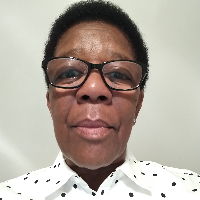
Denise Greenwood
LCSW
Licensed Clinical Social Worker - life transitions
- Grief
- Stress, Anxiety
- Self esteem
A directory of US therapists who hold an LCSW license
In crisis? Call or text 988LCSW license holders
2,873 clinical social workers list grief among the topics they work with. All offer sessions online, and every profile shows each state license and the NPI.
Find licensed clinical social workers (LCSW) who list grief and bereavement among their focus areas. Browse the listings below to compare focus areas, therapeutic approaches, languages, and experience.
LCSW
Licensed Clinical Social Worker - life transitions
LCSW
Licensed Clinical Social Worker - Stress and Grief
LCSW
Licensed Clinical Social Worker - Relationships and Stress
LCSW
Licensed Clinical Social Worker - Stress and Relationships
LCSW
Licensed Clinical Social Worker - stress and relationships
LCSW
Licensed Clinical Social Worker - Trauma and Grief
LCSW
Licensed Clinical Social Worker - Anxiety and Trauma
LCSW
Licensed Clinical Social Worker - Stress and Trauma
LCSW
Licensed Clinical Social Worker - Stress and Anxiety
LCSW
Licensed Clinical Social Worker - Trauma and Life Changes
LICSW, LCSW
Licensed Clinical Social Worker - Stress and Relationships
LCSW
Licensed Clinical Social Worker - anxiety and relationships
LCSW
Licensed Clinical Social Worker - Mood and life transitions
LCSW
Licensed Clinical Social Worker - Relationships and Trauma
LCSW
Licensed Clinical Social Worker - Relationships and Trauma
LCSW
Licensed Clinical Social Worker - Trauma and Family Concerns
LCSW
Licensed Clinical Social Worker - Stress and Relationships
LCSW
Licensed Clinical Social Worker - Stress and Mood Concerns
LCSW
Licensed Clinical Social Worker - Trauma and Addictions
LCSW
Licensed Clinical Social Worker - Addictions and Family Concerns
LCSW
Licensed Clinical Social Worker - Stress and Relationships
LCSW
Licensed Clinical Social Worker - Stress and Trauma
LCSW
Licensed Clinical Social Worker - Stress and Trauma
LCSW
Licensed Clinical Social Worker - mood and relationships
LCSW
Licensed Clinical Social Worker - Grief and life change
LCSW
Licensed Clinical Social Worker - Stress and Relationships
LCSW
Licensed Clinical Social Worker - Depression and Anxiety
LCSW, CSW
Licensed Clinical Social Worker - Stress and Addictions
LCSW
Licensed Clinical Social Worker - trauma and mood concerns
LCSW, LISW-CP
Licensed Clinical Social Worker - Stress and Grief
LCSW
Licensed Clinical Social Worker - Relationships and Addictions
LCSW
Licensed Clinical Social Worker - Stress and Trauma
LCSW
Licensed clinical social worker - mood and life changes
LCSW
Licensed Clinical Social Worker - Stress and Trauma
LCSW
Licensed clinical social worker - mood and relationship concerns
LCSW
Licensed Clinical Social Worker - Addictions and Trauma
LCSW
Licensed Clinical Social Worker - Stress and Trauma
LCSW
Licensed clinical social worker - trauma and grief
LCSW
Licensed Clinical Social Worker - Anxiety and Trauma
LCSW
Licensed Clinical Social Worker - Stress and Relationships
LMSW, LCSW, CSW
Licensed clinical social worker - relationships and coping
LCSW
Licensed Clinical Social Worker - Mood and Trauma
Some links on this page are partner links. We will earn a commission if you sign up through one, at no cost to you. It does not change what you pay or the order of the listings.
Grief is the natural response to loss, most often associated with the death of a loved one but also triggered by other kinds of endings such as relationship breakups, job loss, major health changes, or loss of a role. You may expect intense sadness, but grief commonly appears in many forms. Emotions can range from numbness, anger, guilt, and anxiety to relief or even moments of joy. Your thoughts may be flooded with memories or feel scattered and unfocused. Physical reactions like fatigue, sleep changes, appetite shifts, or aches are common. Social patterns can shift as you pull away from others or find that ordinary conversation feels out of step with your experience.
Grief unfolds differently for everyone. It is shaped by your relationship to what was lost, your cultural and spiritual context, previous losses, and your daily responsibilities. The length and intensity of grief are not a single measure of "healthy" or "unhealthy" adjustment. Instead, you will likely move through periods of acute distress and intervals of feeling more settled. Understanding these variations can reduce pressure to follow a particular timeline and help you notice when additional support may be useful.
You might consider seeking professional help when grief begins to interfere with the things you need to do in daily life, when painful reactions persist or intensify, or when you feel overwhelmed by feeling hopeless, unable to concentrate, or dangerously impulsive. Therapy can also be helpful if you find yourself repeatedly replaying the circumstances of a loss in ways that increase distress, if you are avoiding reminders of the loss to the point that it narrows your life, or if you struggle with relationship conflict tied to the bereavement.
Because grief and depression can share features, you may notice symptoms that feel like both. If you are unsure whether what you are experiencing is part of a grief process or something else, a licensed clinical social worker can talk through your history, current functioning, and support resources to help you decide on a way forward. You do not need to wait until a crisis to reach out; many people find earlier conversations helpful for learning coping strategies, managing practical needs that surround loss, and aligning supports with personal values.
When you work with a licensed clinical social worker for grief, you will usually begin with conversations about your history of the loss, your current symptoms, and the social and practical context of your life. An LCSW will assess not only emotional reactions but also how things like housing, work, caregiving responsibilities, finances, and community ties intersect with your grief. Early sessions often focus on immediate coping needs and on building a working plan together - for managing overwhelming moments, accessing supports, and addressing practical concerns that can compound distress.
Therapy can include both space to tell the story of your loss and structured techniques to manage symptoms. Sessions usually move at a pace you find tolerable; sometimes you may focus on memorializing and meaning-making, and at other times on developing tools for anxiety, sleep disturbance, or role changes. An LCSW tends to view your situation in context, so practical problem-solving about housing, insurance, workplace leave, or family dynamics may be part of the work alongside emotional processing.
There is no single approach to grief work and clinicians often combine ways of working to fit the person in front of them. You may find therapists who list narrative approaches, cognitive and behavioral strategies, interpersonal work, emotion-focused methods, or meaning-centered conversations among their approaches. Some clinicians mention trauma-informed methods for people whose loss involved sudden or violent circumstances. Other LCSWs may include family or couples work when the loss has reshaped household roles or communication patterns.
It is important to remember that listing an approach is not the same as a formal certification. If certain methods appeal to you, you can look for therapists who mention those approaches in their profiles and ask about how they use them in grief work. Many LCSWs draw on the social work tradition that considers the person within their environment - you can expect attention to the interaction between your inner experience and the realities of daily life, from caregiving obligations to cultural practices around mourning. That perspective often makes the work pragmatic as well as emotional, addressing immediate needs while exploring longer-term adaptation.
Online sessions with an LCSW can be a practical option if you prefer remote contact or have constraints that make in-person meetings difficult. Remote sessions typically use video or audio formats and follow a familiar session rhythm - check-in, focused conversation or exercises, and planning for the time between sessions. You should expect discussion about technology, session length, and what you need to feel comfortable participating. Because laws and licensing rules vary by state, an LCSW's scope of practice depends on the state board that issued the license, and the logistics of providing services across state lines can differ.
Many people find online sessions reduce the time and stress of commuting and allow for continuity when caregiving or work schedules are demanding. Online work can also make it easier to involve family members who live elsewhere in selected sessions. If you choose remote sessions, consider what environment will help you feel emotionally supported during the work - a place where you will not be interrupted and where you can speak openly. You may also discuss how to handle intense moments that occur between sessions so you have a plan if strong feelings arise.
Selecting an LCSW for grief work often comes down to practical fit and personal comfort. Start by looking for clinicians who list grief or bereavement among their focus areas and note whether they describe experience with the type of loss you are facing, such as the death of a partner, caregiver loss, perinatal loss, or job-related transitions. Pay attention to approaches they mention and consider whether you prefer a conversation-oriented, structured, family-involved, or meaning-focused style. You can also look for language skills, cultural or faith-based competency notes, and descriptions of work with age groups similar to yours.
Questions you might want to bring to an initial conversation include asking how the clinician thinks about the role of practical supports alongside emotional work, how they approach discussions of memory and meaning, and how they incorporate family or community when appropriate. You can also ask about typical session length and frequency, how they tailor work for people who are working while grieving, and what kinds of short-term goals they might set with clients. While this page does not provide details about scheduling or openings, comparing focus areas, described approaches, credentials, languages, and clinical experience can help you identify LCSWs whose profiles match what you need.
Remember that grief work is personal. It is reasonable to try a few conversations to sense who you feel heard by and who seems to understand your life context. An LCSW’s education and credentialing - a master of social work degree, a period of state-set supervised post-graduate clinical experience, passage of a clinical licensing exam, and licensure by a state board - indicate a clinical credential, and the social work frame often adds helpful emphasis on environmental factors and practical supports. Choosing someone who aligns with your needs and values can make the process of navigating loss feel more manageable and purposeful.
Grief is a complex and deeply human process, and seeking a conversation with a licensed clinical social worker can provide structured support, practical problem-solving, and a space to explore meaning as you adapt to change. Whether you prefer in-person or online sessions, paying attention to a clinician’s focus areas, approaches they list, and their experience with similar losses will help you find someone who matches your needs. If you are ready to look for an LCSW who lists grief among their specialties, the listings above are a place to begin your search.