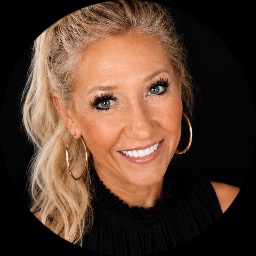
Kellie Cousino
LCSW, LISW-CP
Licensed Clinical Social Worker - stress and addiction
- Stress, Anxiety
- Addictions
- Trauma and abuse
A directory of US therapists who hold an LCSW license
In crisis? Call or text 988LCSW license holders
2,317 clinical social workers list post-traumatic stress among the topics they work with. All offer sessions online, and every profile shows each state license and the NPI.
This page lists licensed clinical social workers (LCSWs) who work with post-traumatic stress. Browse the profiles below to review specialties, approaches, languages, and clinical experience to identify practitioners whose background aligns with your needs.
LCSW, LISW-CP
Licensed Clinical Social Worker - stress and addiction
LCSW
Licensed clinical social worker - mood and attention
LCSW
Licensed Clinical Social Worker - Stress and Grief
LCSW
Licensed Clinical Social Worker - Stress and Relationships
LCSW
Licensed Clinical Social Worker - mood and relationship support
LCSW
Licensed Clinical Social Worker - Stress and Relationships
LCSW, CSW
Licensed Clinical Social Worker - Stress and Trauma
LISW-CP, LCSW
Licensed clinical social worker - stress and trauma
LCSW
Licensed Clinical Social Worker - Anxiety and Trauma
LCSW
Licensed Clinical Social Worker - Stress and Trauma
LCSW
Licensed Clinical Social Worker - Stress and Anxiety
LCSW
Licensed Clinical Social Worker - Trauma and Life Changes
LCSW
Licensed Clinical Social Worker - trauma and anxiety
LCSW
Licensed Clinical Social Worker - anxiety and relationships
LCSW
Licensed Clinical Social Worker - Stress and Identity
LCSW
Licensed Clinical Social Worker - Relationships and Trauma
LCSW
Licensed Clinical Social Worker - Relationships and Trauma
LCSW
Licensed Clinical Social Worker - Stress and Relationships
LCSW
Licensed Clinical Social Worker - Mood and relationships
LCSW-R, LCSW
Licensed Clinical Social Worker - Family and Trauma
LCSW
Licensed Clinical Social Worker - Trauma and relationships
LCSW
Licensed Clinical Social Worker - Stress and Trauma
LCSW
Licensed Clinical Social Worker - Stress and Trauma
LCSW
Licensed Clinical Social Worker - Trauma and Addictions
LCSW
Licensed Clinical Social Worker - Addictions and Family Concerns
LCSW
Licensed Clinical Social Worker - Stress and Relationships
LCSW
Licensed Clinical Social Worker - Stress and Trauma
LCSW
Licensed Clinical Social Worker - Stress and Trauma
LCSW
Licensed clinical social worker - trauma and addiction
LCSW, LPCC
Licensed Clinical Social Worker - Stress and Parenting
LCSW
Licensed Clinical Social Worker - Depression and Anxiety
LCSW
Licensed Clinical Social Worker - Stress and Trauma
LCSW, CSW
Licensed Clinical Social Worker - Stress and Addictions
LCSW
Licensed Clinical Social Worker - trauma and mood concerns
LCSW
Licensed Clinical Social Worker - Stress and Trauma
LCSW
Licensed Clinical Social Worker - stress and trauma
LCSW
Licensed Clinical Social Worker - Stress and Anxiety
LCSW
Licensed clinical social worker - relationships and trauma
LCSW
Licensed Clinical Social Worker - Stress and Trauma
LICSW, LCSW
Licensed Clinical Social Worker - Career and Life Changes
LCSW
Licensed Clinical Social Worker - Stress and Relationships
LCSW
Licensed Clinical Social Worker - Stress and Trauma
LCSW
Licensed Clinical Social Worker - Stress and Addictions
LCSW
Licensed clinical social worker - trauma and grief
LCSW
Licensed Clinical Social Worker - Anxiety and Trauma
Some links on this page are partner links. We will earn a commission if you sign up through one, at no cost to you. It does not change what you pay or the order of the listings.
Post-traumatic stress refers to a range of psychological and physiological responses that can follow exposure to frightening, life-threatening, or otherwise traumatic events. You might experience intense memories, nightmares, heightened reactivity, or an ongoing sense of threat long after the event itself has passed. Symptoms vary widely from person to person. Some people notice day-to-day functioning disrupted by avoidance of reminders, while others find that mood and relationships are affected even when they manage work or routine tasks.
Licensed clinical social workers bring a distinctive perspective to this work because their training emphasizes the person-in-environment view. That means an LCSW will typically consider your emotional responses alongside the practical circumstances that shape healing - housing, work, family patterns, financial stress, and access to services. An LCSW holds a master’s degree in social work, has completed a period of supervised post-graduate clinical experience (commonly around two to three years and several thousand hours, though exact requirements vary by state), and has passed a clinical licensing exam administered by a state board. Because the license is issued at the state level, the scope of practice, title usage, and rules for practice can vary where you live.
If you find intrusive memories, flashbacks, persistent nightmares, or strong avoidance of people, places, or conversations linked to a traumatic event, therapy focused on post-traumatic stress can be helpful. You may notice that everyday stressors feel overwhelming in ways they did not before the trauma, or that relationships have become strained because you pull away or react more strongly than you expect. Sleep changes, difficulty concentrating, sudden anger, or a sense of numbness and detachment are common signals that professional support could help you manage symptoms and restore balance.
Sometimes the signs are less obvious. You might experience chronic physical symptoms like headaches, gastrointestinal upset, or hypervigilance without recognizing their link to past trauma. You might also find that coping strategies that worked for a while - such as using alcohol, isolating, or staying extremely busy - are no longer sustainable and are causing additional problems. If symptoms interfere with your sense of safety, daily routine, or relationships, meeting with an LCSW who lists trauma work among their focuses can be a useful step in exploring options.
When you start therapy with an LCSW for post-traumatic stress, early sessions often focus on establishing a therapeutic relationship and assessing your current situation. You can expect discussion of your history, recent symptom patterns, life context, and goals for treatment. Because social work training emphasizes the environment around you, the clinician may ask about practical needs such as housing, employment, caregiving responsibilities, and community supports. This helps shape a plan that addresses both symptoms and life circumstances that affect recovery.
Once a plan is in place, sessions may combine symptom management, skills-building, and structured interventions aimed at processing trauma. The pace is typically collaborative; you and the clinician will set goals and decide when it feels safe to address painful memories directly. Many people begin with strategies to reduce anxiety and improve sleep or concentration, then move toward approaches designed to reduce avoidance and make intrusive memories less disruptive. Expect the clinician to revisit safety planning and coping techniques as needed, and to adapt the work based on how you respond.
A range of clinical approaches may be listed by LCSWs who focus on trauma. Cognitive-behavioral methods that address unhelpful thoughts and avoidance behaviors are commonly described, as are exposure-based techniques that help you gradually process traumatic memories in a manageable way. Some therapists list eye movement desensitization and reprocessing among their approaches, while others describe somatic or body-centered work that pays attention to physical sensations connected to trauma. Narrative approaches that help you make sense of traumatic events within your life story are also commonly mentioned by clinicians who specialize in this area.
It is important to remember that the directory only records what a clinician lists on their profile; a listed approach does not by itself indicate a specific certification or amount of experience. When you read profiles, look for descriptions of clinical focus, populations served, and any language or cultural competencies that matter to you. The LCSW credential indicates that a clinician has completed graduate social work education and state-required supervised clinical experience followed by a licensing exam, which are foundations for offering trauma-focused care within their scope of practice.
Online therapy with an LCSW offers alternatives to in-person sessions that can be especially useful if transportation, childcare, or geographic distance make it difficult to access local services. Sessions are commonly delivered by video or phone, and some clinicians incorporate messaging or brief check-ins between appointments. When you choose to work online, it can help to prepare a quiet room or a quiet space where interruptions are minimized and you can speak openly.
Licensing plays an important role for online work because LCSWs are licensed by state boards. This means a clinician's legal authority to provide telehealth services can depend on the state where you and the clinician are located. You can look for profile information that indicates where a clinician is licensed and what kinds of remote appointments they list. In remote sessions, clinicians often discuss emergency planning and local resources at the start of care, because they will need to know how to help if you experience crisis symptoms while you are apart. Attention to technology basics - a reliable internet connection, a device with a camera and microphone, and a comfortable room - improves the experience, and many clinicians will share practical guidance about how they handle session logistics.
When you review profiles, focus on factors that influence fit. Consider the clinician's described focus areas, the approaches they list, any populations or cultural communities they note, language abilities, and how they describe their clinical experience. Think about the setting you prefer - some people want in-person contact, others prefer remote sessions, and some want a mix. Because social work emphasizes the interplay between personal experience and environment, you may also want to note whether a clinician mentions practical supports, advocacy, or coordination with other services as part of their approach.
Ask yourself about practical matters that matter to your care: what schedule rhythm will help you maintain momentum, does the clinician describe experience with issues similar to yours, and is there a shared cultural or linguistic connection that supports communication. It is reasonable to reach out and ask brief questions about approach and experience to determine whether the clinician's style feels like a fit for you. Above all, look for a professional who listens to your goals, explains their approach in clear terms, and works with you to create an intentional, paced plan for addressing post-traumatic stress.
Choosing to seek help is a personal decision. An LCSW can offer clinical care informed by social work’s person-in-environment perspective, helping you address both symptoms and the life circumstances that shape recovery. Use the profiles below to learn more about individual clinicians and to identify practitioners whose backgrounds and stated approaches align with what you are looking for.