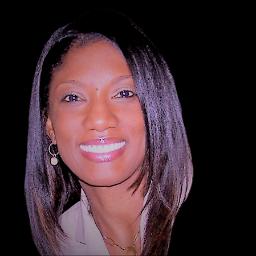
Kellie Cousino
LCSW, LISW-CP
Licensed Clinical Social Worker - stress and addiction
- Stress, Anxiety
- Addictions
- Trauma and abuse
A directory of US therapists who hold an LCSW license
In crisis? Call or text 988LCSW license holders
3,211 clinical social workers list self-love among the topics they work with. All offer sessions online, and every profile shows each state license and the NPI.
This page lists Licensed Clinical Social Workers who emphasize self-love, self-worth, and healthier self-regard. Browse the therapist profiles below to review approaches, languages, and experience areas.
Use the listings to explore LCSWs whose background and focus fit what you want to work on.
LCSW, LISW-CP
Licensed Clinical Social Worker - stress and addiction
LCSW
Licensed Clinical Social Worker - Stress and Grief
LCSW
Licensed Clinical Social Worker - Relationships and Stress
LCSW
Licensed Clinical Social Worker - Stress and Relationships
LCSW
Licensed Clinical Social Worker - mood and relationship support
LCSW
Licensed Clinical Social Worker - Stress and Relationships
LCSW, CSW
Licensed Clinical Social Worker - Stress and Trauma
LCSW
Licensed clinical social worker - Stress and addictions
LISW-CP, LCSW
Licensed clinical social worker - stress and trauma
LCSW
Licensed Clinical Social Worker - Stress and Trauma
LCSW
Licensed Clinical Social Worker - Trauma and Life Changes
LCSW-C, LCSW
Licensed Clinical Social Worker - relationships and mood
LCSW
Licensed Clinical Social Worker - Stress and Anxiety
LCSW
Licensed Clinical Social Worker - trauma and anxiety
LCSW
Licensed Clinical Social Worker - anxiety and relationships
LCSW, CSW
Licensed Clinical Social Worker - stress and relationships
LCSW
Licensed Clinical Social Worker - Mood and life transitions
LCSW
Licensed clinical social worker - Stress and ADHD
LCSW
Licensed Clinical Social Worker - Stress and Identity
LCSW
Licensed Clinical Social Worker - Relationships and Trauma
LCSW
Licensed Clinical Social Worker - Relationships and Trauma
LCSW
Licensed Clinical Social Worker - Stress and Relationships
LCSW-R, LCSW
Licensed Clinical Social Worker - Family and Trauma
LCSW
Licensed Clinical Social Worker - Trauma and Family Concerns
LCSW
Licensed Clinical Social Worker - Trauma and relationships
LCSW
Licensed Clinical Social Worker - Stress and Mood Concerns
LCSW
Licensed Clinical Social Worker - Stress and Trauma
LCSW
Licensed Clinical Social Worker - Addictions and Family Issues
LCSW
Licensed Clinical Social Worker - Stress and Trauma
LCSW
Licensed Clinical Social Worker - Stress and relationships
LCSW
Licensed Clinical Social Worker - Trauma and Addictions
LCSW
Licensed Clinical Social Worker - Stress and Relationships
LCSW
Licensed Clinical Social Worker - Stress and Anxiety
LCSW
Licensed Clinical Social Worker - Stress and Anxiety
LCSW
Licensed Clinical Social Worker - Stress and Trauma
LCSW
Licensed Clinical Social Worker - Stress and Trauma
LCSW
Licensed clinical social worker - trauma and addiction
LCSW, LPCC
Licensed Clinical Social Worker - Stress and Parenting
LCSW
Licensed Clinical Social Worker - mood and relationships
LCSW
Licensed Clinical Social Worker - Grief and life change
LCSW
Licensed Clinical Social Worker - Stress and Relationships
LCSW
Licensed Clinical Social Worker - Anxiety and Executive Functioning
LCSW
Licensed clinical social worker - stress and career support
LCSW
Licensed Clinical Social Worker - Depression and Anxiety
LCSW, CSW
Licensed Clinical Social Worker - Stress and Addictions
LCSW
Licensed Clinical Social Worker - Relationships and Addictions
Some links on this page are partner links. We will earn a commission if you sign up through one, at no cost to you. It does not change what you pay or the order of the listings.
Self-love is often described as how you relate to yourself when no one else is watching - the inner voice, the choices you make about your needs, and the way you hold your own struggles. For many people it includes a combination of self-acceptance, respect for personal boundaries, realistic self-appraisal, and the capacity to respond to failure with kindness rather than harsh judgment. When self-love is limited, you may notice patterns like chronic self-criticism, difficulty asking for help, or persistent people-pleasing that leaves you depleted. These patterns are not moral failings. They are often adaptive strategies that developed in response to relationships, work environments, family expectations, or material circumstances.
Licensed Clinical Social Workers bring a person-in-environment perspective that can help you see self-love not only as an internal habit but as something shaped by housing, work, family, finances, community, and access to care. That perspective can open practical avenues for change. Instead of isolating inner experience from outer conditions, an LCSW will tend to consider how your environment reinforces or undermines the self-regard you are trying to build. That can be especially useful when your difficulties with self-love are entangled with relational patterns, workplace pressures, caregiving demands, or systemic stressors.
You might consider seeking help when your inner critic consistently interferes with relationships, work, or daily functioning. Common indications include persistent feelings of not being enough, avoidance of opportunities because of fear of failure, trouble setting or keeping boundaries with others, or a cycle of harsh self-punishment after setbacks. You may also notice that you tolerate disrespectful treatment from others because you doubt your worth, or that you overextend yourself to meet other people's needs at the expense of your own health or finances.
Because LCSWs look at what surrounds you as well as what is inside you, they can help when environmental factors contribute to low self-regard. If housing instability, workplace discrimination, caregiving overload, or lack of social supports make it hard to practice self-care, an LCSW can help you develop strategies that respond to both personal patterns and external pressures. In short, if you want to shift how you treat yourself and to change the conditions that make that change difficult, a licensed clinical social worker may be a fitting professional to consult.
When you begin meeting with a therapist who holds an LCSW, the early sessions often involve getting a clear picture of your life circumstances as well as your internal experiences. Your LCSW will typically ask about your relationships, work, living situation, finances, family history, and daily routines because these elements shape your ability to practice self-love. Expect the initial conversations to be collaborative - you and your LCSW will identify priorities, safety considerations, and small measurable goals that feel meaningful to you.
Work on self-love usually blends skills practice with exploration. You may practice noticing self-critical thoughts and learning to respond to them differently. You might experiment with boundary-setting in real-life situations and then process what happened in a later session. You may also explore messages you internalized in childhood or across relationships that shaped your sense of worth. Because LCSWs consider environmental factors, sessions may include practical problem-solving about housing, employment resources, or community supports when these factors interfere with emotional progress. The pace varies - some people notice shifts in weeks, others work on deeper patterns over months. The focus is on attainable changes that improve how you feel about yourself and how you function day to day.
Therapists who hold an LCSW often describe a mix of clinical approaches that they use in service of self-love work. You will find practitioners who list cognitive-behavioral strategies among their approaches, which typically emphasize identifying unhelpful thought patterns and practicing alternative responses. Some LCSWs list compassion-based frameworks that center learning to treat yourself with the same kindness you would offer a close friend. Other clinicians list acceptance and commitment approaches that focus on clarifying values and taking committed action even when uncomfortable feelings arise.
In addition, you may see LCSWs who list narrative or psychodynamic approaches among their methods; these perspectives help you reframe life stories and understand repetitive relational patterns that undermine self-worth. Mindfulness and somatic practices are also commonly listed, offering ways to notice body sensations and cultivate present-moment self-attunement. When reading profiles, pay attention to which approaches are mentioned rather than assuming training or certification - the directory records approaches that therapists list, and that can help you get a sense of fit for the type of work you want to do.
Online sessions with LCSWs can make reaching a therapist easier when you live far from specialty providers or when scheduling in-person visits is difficult. In a remote session you connect by video or sometimes by phone. The therapeutic process is much the same as in person - you will talk about your experiences, practice skills, and work toward goals - but the medium changes some logistics. For example, you will want to choose a quiet, distraction-free place to meet where you can be honest and reflective. If practical barriers like transportation, childcare, or mobility have limited your ability to seek help in the past, online sessions can reduce those obstacles and let you focus on building self-regard in the context of your actual day-to-day life.
When you are comparing profiles of therapists who hold an LCSW, consider several practical factors that influence fit. Look at the clinician's stated focus areas to see whether they mention self-esteem, self-compassion, boundaries, or related concerns. Notice which approaches are listed so you can choose someone whose typical work aligns with the kind of change you want. Check for languages spoken and any notes about experience with specific populations or life stages that matter to you. Pay attention to licensure details - an LCSW is a clinical license that indicates a master-level education, supervised clinical experience, and a passing clinical exam, with licensing and scope of practice determined by the issuing state board.
Also consider logistics that matter to you personally. Think about whether you prefer shorter-term, skills-focused work or a longer-term exploration of recurring relational patterns. Reflect on cultural background, identity factors, and communication style - you may want a clinician who describes comfort working with particular communities or life experiences. Finally, prepare a few questions to ask when you contact a clinician, such as how they typically approach self-worth work, what a typical session looks like for them, and how they integrate attention to your life circumstances into the therapeutic plan. Focusing on these elements - focus areas, approaches, credentials, languages, and relevant experience - will help you identify LCSWs whose profiles suggest a good match for the self-love work you want to do.