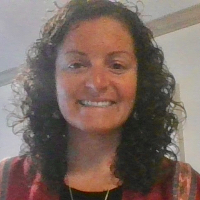
Victoria Echeverry Navia
LCSW
Licensed Clinical Social Worker - Relationships and Stress
- Stress, Anxiety
- Relationship
- Family
A directory of US therapists who hold an LCSW license
In crisis? Call or text 988LCSW license holders
435 clinical social workers name Emotionally-Focused Therapy (EFT) as a method they use. Naming a method is not proof of training in it, so ask how they use it.
Emotionally-Focused Therapy (EFT) is an approach that focuses on emotions and attachment needs to help people improve relationships and emotional regulation. Below you can browse licensed clinical social workers who list EFT among their clinical approaches.
LCSW
Licensed Clinical Social Worker - Relationships and Stress
LICSW, LCSW
Licensed Clinical Social Worker - Stress and Relationships
LCSW
Licensed Clinical Social Worker - Relationships and Trauma
LCSW
Licensed Clinical Social Worker - Relationships and Trauma
LCSW
Licensed Clinical Social Worker - Stress and Relationships
LCSW
Licensed Clinical Social Worker - Stress and Anxiety
LCSW
Licensed Clinical Social Worker - Relationships and Addictions
LCSW
Licensed Clinical Social Worker - Stress and Trauma
LCSW
Licensed Clinical Social Worker - Stress and Relationships
LCSW, LPC
Licensed Clinical Social Worker - Stress and Family Issues
LCSW
Licensed Clinical Social Worker - Stress and Addictions
LCSW
Licensed Clinical Social Worker - stress and relationships
LCSW
Licensed social worker - stress and addiction
LCSW
Licensed Clinical Social Worker - Stress and Anxiety
LCSW, LISW
Licensed Clinical Social Worker - Addictions and Trauma
LCSW
Licensed Clinical Social Worker - Relationships and Trauma
LCSW
Licensed Clinical Social Worker - mood and stress issues
LCSW
Licensed Clinical Social Worker - Stress and Addictions
LCSW
Licensed Clinical Social Worker - stress and relationships
LCSW, LISW
Licensed Clinical Social Worker - Women's mental health
LCSW, CSW
Licensed Clinical Social Worker - relationships and addictions
LCSW
Licensed Clinical Social Worker - Relationships and Mood
LCSW
Licensed Clinical Social Worker - Stress and Anxiety
LCSW
Licensed Clinical Social Worker - Relationships and Mood
LCSW
Licensed clinical social worker - mood and addiction concerns
LCSW
Licensed Clinical Social Worker - addictions and relationships
LCSW
Licensed Clinical Social Worker - relationship and mood concerns
LCSW
Licensed Clinical Social Worker - trauma and anxiety
LCSW
Licensed Clinical Social Worker - Stress and Relationships
LCSW
Licensed Clinical Social Worker - stress and relationships
LCSW
Licensed Clinical Social Worker - Stress and Trauma
LCSW
Licensed Clinical Social Worker - Stress and Anxiety
LCSW
Licensed clinical social worker - stress and trauma
LCSW
Licensed Clinical Social Worker - stress and trauma
LCSW, CSW
Licensed Clinical Social Worker - Stress and Trauma
LCSW
Licensed Clinical Social Worker - Stress and Trauma
LCSW
Licensed Clinical Social Worker - Stress and Anxiety
LCSW
Licensed Clinical Social Worker - relationships and mood
LICSW, LCSW
Licensed Clinical Social Worker - Stress and Addictions
LCSW-C, LCSW
Licensed clinical social worker - anxiety and relationships
LCSW
Licensed Clinical Social Worker - relational and practical
LCSW, LISW-CP
Licensed Clinical Social Worker - Stress and Trauma
LCSW, CSW
Licensed Clinical Social Worker - Stress and Relationships
LCSW
Licensed Clinical Social Worker - Stress and Anxiety
LCSW
Licensed Clinical Social Worker - Relationships and Mood
LCSW
Licensed Clinical Social Worker - trauma and mood concerns
LCSW
Licensed Clinical Social Worker - Stress and Relationships
Some links on this page are partner links. We will earn a commission if you sign up through one, at no cost to you. It does not change what you pay or the order of the listings.
Emotionally-Focused Therapy, often abbreviated as EFT, centers on the idea that emotions are key to how you form bonds, make meaning, and respond to distress. EFT was developed with an emphasis on attachment theory - the ways people connect, seek comfort, and respond when relationships are threatened. In practice, EFT aims to help you identify and experience core emotions, understand the patterns those emotions create in close relationships, and reshape interactions so that your needs are communicated and met more effectively.
The approach views emotional experience as an entry point for change. Rather than focusing only on thoughts or behaviors, EFT helps you and others in your life access underlying feelings such as fear, sadness, or longing, and then transform those feelings into new ways of relating. For people working with a licensed clinical social worker, this can be complemented by the social work perspective - an attention to how your broader circumstances like housing, work, family, money, and community influence emotional life and relationship dynamics. That person-in-environment lens can make EFT especially practical when emotions are entangled with real-world stresses.
EFT is commonly applied to relationship concerns, including couples therapy, where the focus is on repairing attachment injuries and improving emotional responsiveness between partners. You may find EFT helpful if you are dealing with cycles of withdrawal and pursuit, chronic conflict, or a sense of disconnection from your partner. Beyond couples work, therapists also use EFT principles with individuals and families to address patterns of avoidance, persistent loneliness, low self-worth, grief, and emotional dysregulation.
If your life circumstances - such as job stress, caregiving responsibilities, or unstable housing - are intensifying your feelings or complicating your relationships, an LCSW who lists EFT among their approaches can help you link those external pressures to internal emotional patterns. Because social work training emphasizes context, you can expect attention to both the feelings themselves and the environmental factors that shape them. EFT can be part of a broader plan to strengthen support networks, navigate life transitions, and build more satisfying ways of connecting with others.
In an EFT-informed session you will often be invited to notice and describe your emotional experience in the moment. The therapist may encourage you to slow down and tune into bodily sensations, images, or memories that arise when you talk about a relational problem. If you attend with a partner or family member, sessions typically focus on the interaction between people - how one person’s expression evokes a response in the other, and how that cycle keeps repeating. Your therapist will help name the emotions that lie beneath surface behaviors and guide you toward expressing needs in a way that the other person can hear.
Sessions are usually collaborative and emotionally focused rather than purely problem-solving. When you work with a licensed clinical social worker who lists EFT among their clinical approaches, you may also explore how practical life circumstances intersect with emotional patterns. The pace can vary - some sessions aim to de-escalate a heated interaction, while others create space to grieve a loss or craft a new kind of emotional invitation. Over time, the goal is to shift habitual responses so you and the people close to you can respond with more empathy and connection.
EFT differs from cognitive approaches that prioritize changing thoughts first, because it places primary emphasis on accessing and transforming felt emotion. Whereas some therapies focus on behavioral change through skills training, EFT works by altering the emotional bonds and interaction patterns that underlie those behaviors. This does not mean that practical skills are absent - rather, EFT treats emotion as the lever for deeper, more lasting change in how you relate to others and to yourself.
Compared with methods that address symptoms in isolation, EFT tends to situate those symptoms within relationship dynamics and attachment needs. If you are used to goal-oriented, technique-driven therapy, EFT may feel more exploratory and intermittent in its techniques, relying on real-time emotional engagement in the therapy room. When a licensed clinical social worker brings a social work perspective to EFT-informed sessions, they may also integrate attention to your social context, connecting emotional patterns to the concrete circumstances that influence your life.
You may be a good candidate for EFT if you are seeking to improve how you connect with others, recover from relationship wounds, or better understand persistent emotional reactions. EFT is often recommended when relational cycles feel stuck - for example when you find yourself alternating between anger and withdrawal, or when you feel chronically unreachable to the people who matter most. Individuals who want to explore how early attachment experiences continue to shape current relationships may also find EFT helpful.
Because EFT involves facing and expressing vulnerable feelings, a willingness to engage emotionally and to reflect on interaction patterns tends to support progress. At the same time, licensed clinical social workers can help you navigate safety concerns and concrete stressors that affect emotional work. If your emotional experience is tightly linked to external factors such as caregiving demands, financial strain, or community pressures, a clinician with an LCSW credential can help you address both the interpersonal and environmental sides of the issue.
Start by looking for licensed clinical social workers who indicate EFT as one of the approaches they use. Review profiles for descriptions of focus areas, years of experience, and languages spoken so you can narrow your search by fit rather than availability. Consider what matters most to you - whether you prefer someone who works primarily with couples, supports individuals processing attachment wounds, or integrates a strong person-in-environment perspective to address social determinants of health. You can also look for notes about special populations or settings to find a clinician whose experience aligns with your needs.
When you contact a prospective LCSW, it can be useful to ask how they typically apply EFT principles, how they balance emotional work with practical problem-solving, and how they incorporate attention to life circumstances. These questions help you understand whether their style and emphasis feel like a match. Remember that the credential itself indicates the clinician completed a master's in social work, a supervised post-graduate clinical period, and passed a licensing exam; it is the clinician's approach descriptions and areas of focus that will tell you how they are likely to use EFT in practice.
Choosing a therapist is a personal process. By focusing on approach descriptions, focus areas, credentials, language abilities, and relevant experience, you can identify LCSWs who list Emotionally-Focused Therapy among their approaches and who align with the kind of care you want. That alignment is the best predictor of a therapy experience that feels constructive and respectful of both your emotional life and your real-world circumstances.