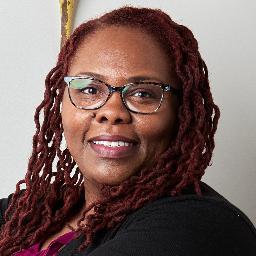
Victoria Echeverry Navia
LCSW
Licensed Clinical Social Worker - Relationships and Stress
- Stress, Anxiety
- Relationship
- Family
A directory of US therapists who hold an LCSW license
In crisis? Call or text 988LCSW license holders
663 clinical social workers name Narrative Therapy as a method they use. Naming a method is not proof of training in it, so ask how they use it.
Narrative Therapy is a collaborative approach that helps people examine and reframe the stories they tell about their lives, separating problems from identity and highlighting strengths and values. Below, browse Licensed Clinical Social Workers who list Narrative Therapy among their approaches to explore LCSWs whose focus and experience may align with your goals.
LCSW
Licensed Clinical Social Worker - Relationships and Stress
LCSW
Licensed Clinical Social Worker - Stress and Relationships
LICSW, LCSW
Licensed Clinical Social Worker - Stress and Relationships
LCSW
Licensed Clinical Social Worker - anxiety and relationships
LCSW
Licensed Clinical Social Worker - Stress and Identity
LCSW
Licensed Clinical Social Worker - Relationships and Trauma
LCSW
Licensed Clinical Social Worker - Addictions and Family Concerns
LCSW
Licensed Clinical Social Worker - Stress and Anxiety
LCSW, LPCC
Licensed Clinical Social Worker - Stress and Parenting
LCSW
Licensed Clinical Social Worker - Stress and Trauma
LCSW
Licensed Clinical Social Worker - Relationships and Addictions
LCSW
Licensed Clinical Social Worker - Stress and Trauma
LCSW
Licensed Clinical Social Worker - Stress and Relationships
LCSW
Licensed Clinical Social Worker - Stress and Addictions
LCSW
Licensed Clinical Social Worker - stress and relationships
LCSW
Licensed social worker - stress and addiction
LCSW, CSW
Licensed Clinical Social Worker - Stress and Trauma
LCSW
Licensed Clinical Social Worker - Relationships and Grief
LCSW
Licensed Clinical Social Worker - grief and life changes
LCSW, LISW
Licensed Clinical Social Worker - Addictions and Trauma
LCSW
Licensed Clinical Social Worker - Relationships and Trauma
LCSW
Licensed Clinical Social Worker - mood and stress issues
LCSW
Licensed Clinical Social Worker - relationships and trauma
LCSW
Licensed Clinical Social Worker - Relationships and Stress
LCSW, LISW
Licensed Clinical Social Worker - Women's mental health
LCSW, CSW
Licensed Clinical Social Worker - Mood and trauma
LCSW
Licensed Clinical Social Worker - Stress and Anxiety
LCSW
Licensed Clinical Social Worker - Relationships and Mood
LCSW
Licensed Clinical Social Worker - trauma and anxiety
LCSW
Licensed Clinical Social Worker - anxiety and self esteem
LCSW, CSW
Licensed Clinical Social Worker - Anxiety and Trauma
LCSW
Licensed Clinical Social Worker - Stress and Mood Concerns
LCSW
Licensed Clinical Social Worker - stress and trauma
LCSW, LISW
Licensed Clinical Social Worker - Trauma and Mood Concerns
LCSW
Licensed Clinical Social Worker - stress and trauma
LCSW
Licensed Clinical Social Worker - mood and anxiety support
LCSW
Licensed Clinical Social Worker - Relationships and Stress
LCSW
Licensed Clinical Social Worker - Stress and Anxiety
LCSW, CSW
Licensed Clinical Social Worker - Stress and Addictions
LCSW
Licensed Clinical Social Worker - relational and practical
LCSW
Licensed Clinical Social Worker - relationships and mood
LCSW
Licensed Clinical Social Worker - Stress and Anxiety
LCSW
Licensed Clinical Social Worker - stress and family concerns
LCSW
Licensed Clinical Social Worker - trauma and mood concerns
LCSW
Licensed clinical social worker - trauma and mood concerns
LCSW
Licensed Clinical Social Worker - Addiction and Stress
LCSW
Licensed Clinical Social Worker - Stress and Trauma
Some links on this page are partner links. We will earn a commission if you sign up through one, at no cost to you. It does not change what you pay or the order of the listings.
Narrative Therapy is built on the idea that the stories we tell about our lives shape how we understand ourselves and how we act in the world. In sessions, the focus is often on how problems are framed as parts of a story rather than fixed features of a person. That shift in language - naming the issue as an external influence rather than an intrinsic trait - creates space for alternatives and change. Therapists who use Narrative Therapy work collaboratively with you to uncover and examine the narratives that influence daily life, relationships, work, and community engagement.
Several core principles guide this work. Externalizing separates the person from the problem so you can describe the problem's effects without reducing identity to pathology. Deconstruction helps you and the therapist explore how cultural messages, family expectations, and social systems have shaped a story. Re-authoring focuses on identifying moments when the dominant story did not hold - times when you resisted, coped, or behaved in ways that reflect your values. Documenting and celebrating those unique outcomes reinforces change. Because Narrative Therapy pays attention to social context, it fits well with the training and perspective of Licensed Clinical Social Workers, who routinely consider housing, income, relationships, employment, and community factors as part of a therapeutic conversation.
You might encounter Narrative Therapy in work on a wide range of concerns. People often turn to this approach when they want to examine identity-related questions, navigate relationship or family challenges, process grief or loss, or reframe experiences of anxiety and depression. Narrative techniques are also used by people confronting life transitions, chronic health conditions, or situations where cultural expectations and systemic pressures have shaped painful stories about who they are.
Because Narrative Therapy centers meaning and context, it is also applied in settings where social and structural factors matter. If you are concerned about how race, gender, immigration status, economic hardship, or community narratives affect your sense of self, a clinician who uses Narrative Therapy may help you articulate those influences and explore alternative storylines. Licensed Clinical Social Workers bring a person-in-environment lens that can make these conversations especially grounded, linking personal narratives with practical concerns such as access to resources, family dynamics, or workplace stressors.
A typical session is conversational, reflective, and oriented toward exploration rather than instruction. You can expect the LCSW to invite you to tell the story that currently organizes a problem - where it began, how it has developed, and how it affects your daily life. The therapist will often use language that separates the problem from you, for example naming it as an influence or presence rather than an identity label. This helps you discuss the issue without feeling defined by it.
Sessions include careful listening and questioning designed to reveal exceptions to the dominant story - moments when the problem was less influential or when you acted in ways that reflect your values and strengths. Those exceptions are treated as evidence for alternative narratives you may want to develop. The therapist may suggest small experiments or narrative practices between sessions, such as writing, telling a different version of an experience, or creating a record of meaningful moments. In some cases, therapists and clients co-create letters, timelines, or documents that capture new meanings. You control the pace and topics of exploration, and the work often connects to real-world decisions, relationships, and community life.
Narrative Therapy differs from cognitive-behavioral approaches that focus primarily on identifying and changing thoughts and behaviors. While CBT tends to map connections between thoughts, emotions, and actions and offers structured interventions, Narrative Therapy centers on how meaning is constructed through story and social context. The two approaches can address similar problems but through different routes - one by modifying thought patterns and behavior, the other by reshaping the story that gives those thoughts and behaviors meaning.
Compared with psychodynamic approaches that explore unconscious drives and past relationships, Narrative Therapy emphasizes how present-day narratives are influenced by cultural, political, and interpersonal scripts. It tends to be collaborative and present-focused, though it does attend to history and relational patterns when they inform current stories. Humanistic approaches that prioritize self-actualization and person-centered empathy overlap with Narrative Therapy in valuing the client’s perspective, but Narrative Therapy explicitly attends to language, narrative structures, and social influences. If you are deciding between approaches, think about whether you want to focus on meaning and story, on cognitive-behavioral skill building, or on exploring deeper relational patterns - those preferences can guide the type of LCSW you look for.
Narrative Therapy can appeal to people who are interested in exploring identity, meaning, and context rather than only symptom reduction. If you want to examine how social messages, family histories, or workplace expectations shape your sense of self, Narrative Therapy offers tools to articulate those influences and create alternative narratives. It may be especially helpful when the problem feels tied to a story you keep repeating - for example, recurring patterns in relationships, persistent self-blame, or a sense that obstacles are part of your core identity.
When looking for an LCSW who uses Narrative Therapy, consider several practical factors. Review whether the clinician lists Narrative Therapy among their approaches and note their stated focus areas, such as trauma, family work, cultural identity, or life transitions. Look for information about languages spoken, experience with community or systemic issues, and whether they describe a person-in-environment perspective. Licensing matters too - an LCSW holds a master’s degree in social work, has completed a state-set period of supervised post-graduate clinical experience, and has passed a clinical licensing exam; scope of practice and titles vary by state because licensing is managed at the state board level. These details can help you understand a clinician’s background and the context in which they practice.
When you reach out to an LCSW, consider asking about their typical session structure, how they describe the role of narrative in therapy, and how they integrate social and practical concerns into treatment planning. You may also want to learn about session formats they offer, whether they provide in-person work in a quiet space or telehealth, and the kinds of documentation or creative practices they use. Compare focus areas, experience, languages, and approach descriptions to identify clinicians whose orientation feels aligned with your goals. Over time, the collaborative nature of Narrative Therapy gives you control to shape the story you want to move toward, with an LCSW helping you map and document meaningful changes.
Narrative Therapy is not tied to a single technique but to a stance that privileges your voice and the contexts that shape your life. As you review profiles of Licensed Clinical Social Workers who list Narrative Therapy among their approaches, keep in mind how their stated focus, experience, and person-in-environment perspective match what you want from therapy. That alignment often matters more than labels alone, because the therapeutic relationship and the clinician’s ability to engage with your story will influence how the work develops.
If you value an approach that treats problems as separate from identity, explores cultural and systemic influences, and seeks actionable alternative narratives, Narrative Therapy with an LCSW may be a good fit. Use the information available about focus areas, languages, and practice style to find a clinician whose way of working resonates with your needs and goals.