LCSW license holders
Clinical social workers licensed in California
641 clinical social workers in this directory are licensed in California. Sessions are online, but a license covers one state, so check the license card on each profile if you will be somewhere else during sessions.
Welcome to the California directory for licensed clinical social workers providing online care. All therapists listed here hold an LCSW license issued by a state board. Explore profiles to learn about each clinician's background, focus areas, languages, and approaches.


Leticia Reed
LCSW
Licensed Clinical Social Worker - Trauma and Family Concerns
- Stress, Anxiety
- Trauma and abuse
- Grief

Dr. Sherrin Packer-Rosenthal
LCSW, LPCC
Licensed Clinical Social Worker - Stress and Parenting
- Stress, Anxiety
- Trauma and abuse
- Parenting
Daniel Navarro
LCSW
Licensed Clinical Social Worker - Addictions and Trauma
- Addictions
- Trauma and abuse
- Grief
Christel Salas
LCSW
Licensed Clinical Social Worker - Stress and anxiety
- Stress, Anxiety
- Relationship
- Self esteem
Jamie Pyatt
LCSW
Licensed Clinical Social Worker - relationships and life changes
- Stress, Anxiety
- Relationship
- Self esteem

Doris Rogers
LCSW
Licensed Clinical Social Worker - Stress and Life Changes
- Stress, Anxiety
- Grief
- Parenting
Rachelle Salerno
LCSW
Licensed Clinical Social Worker - Stress and Trauma
- Stress, Anxiety
- Relationship
- Trauma and abuse

Deitra Jones
LCSW
Licensed Clinical Social Worker - Stress and Addictions
- Stress, Anxiety
- Addictions
- Trauma and abuse
Marlo Lewis
LCSW
Licensed Clinical Social Worker - stress and relationships
- Stress, Anxiety
- Relationship
- Self esteem
Allison Kent
LCSW
Licensed Clinical Social Worker - Relationships and Trauma
- LGBT
- Relationship
- Trauma and abuse

Sophia Dyer
LCSW
Licensed Clinical Social Worker - Stress and Anxiety
- Stress, Anxiety
- Trauma and abuse
- Parenting
Andrea Plate
LCSW
Licensed Clinical Social Worker - Addiction and Mood
- Stress, Anxiety
- Addictions
- Career
Jo Ellen Clark
LCSW
Licensed clinical social worker - stress and grief
- Stress, Anxiety
- Relationship
- Family
Shawn Strohfus
LCSW
Licensed clinical social worker - mood and anxiety
- Stress, Anxiety
- Self esteem
- Bipolar

Dr. Michele Forte-Perry
LCSW
Licensed Clinical Social Worker - Family and Parenting
- Family
- Parenting
- Self esteem
Joyce Tanner
LCSW
Licensed Clinical Social Worker - Family and Life Concerns
- Stress, Anxiety
- Family
- Grief

Deneta Jones-Udefi
LCSW
Licensed clinical social worker - relationships and coaching
- Relationship
- Parenting
- Self esteem

Debra Pintel Steiner
LCSW
Licensed Clinical Social Worker - adult therapy and family concerns
- Stress, Anxiety
- Relationship
- Family
Dennis Cassan
LCSW
Licensed Clinical Social Worker - Stress and Anxiety
- Stress, Anxiety
- Anger
- Self esteem
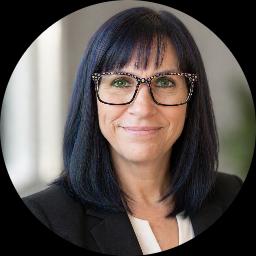
Sharon Peterson
LCSW
Licensed Clinical Social Worker - stress and trauma
- Stress, Anxiety
- Relationship
- Trauma and abuse
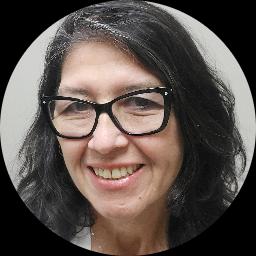
Linda Craig
LCSW
Licensed Clinical Social Worker - Stress and Anxiety
- Stress, Anxiety
- Self esteem
- Coping with life changes
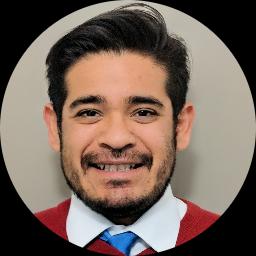
Nicholas Delgado
LCSW
Licensed Clinical Social Worker - relationships and communication
- Relationship
- Family
- Self esteem
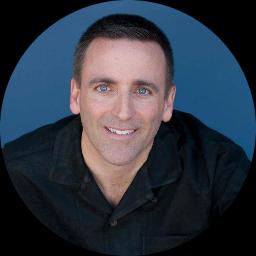
Michael Demoratz
LCSW
Licensed Clinical Social Worker - Grief and End-of-Life Care
- Grief
- Depression
- Coping with life changes

Keyla Decos
LCSW
Licensed Clinical Social Worker - Mood and Trauma
- Stress, Anxiety
- Trauma and abuse
- Grief

Gina Steffens
LCSW
Licensed Clinical Social Worker - Relationships and Chronic Illness
- Stress, Anxiety
- Relationship
- Grief

Eric Branson
LCSW
Licensed Clinical Social Worker - relationships and trauma
- Addictions
- Relationship
- Family
Christine Piddington
LCSW
Licensed Clinical Social Worker - Grief and Life Changes
- Stress, Anxiety
- Family
- Trauma and abuse

Joseph Tillman
LCSW
Licensed Clinical Social Worker - Stress and Trauma
- Stress, Anxiety
- Addictions
- Trauma and abuse
Erica Fernandez
LCSW
Licensed Clinical Social Worker - Stress and Trauma
- Stress, Anxiety
- Relationship
- Trauma and abuse
Chanin Santini
LCSW
Licensed Clinical Social Worker - Relationships and Trauma
- Intimacy-related issues
- Stress, Anxiety
- Addictions
Karen Chambre
LCSW
Licensed Clinical Social Worker - stress and relationships
- Stress, Anxiety
- Relationship
- Trauma and abuse
Dainee Arias
LCSW
Licensed Clinical Social Worker - Stress and Relationships
- Stress, Anxiety
- Relationship
- Self esteem

Luis Navarro
LCSW
Licensed Clinical Social Worker - Stress and Relationships
- Stress, Anxiety
- Relationship
- Self esteem

Isaac Ozobiani
LCSW
Licensed Clinical Social Worker - anxiety and relationships
- Stress, Anxiety
- Relationship
- Family


Socorro Yang
LCSW
Licensed Clinical Social Worker - stress and trauma
- Stress, Anxiety
- Trauma and abuse
- Self esteem
Tara McBrearty
LCSW
Licensed Clinical Social Worker - relationships and life changes
- Relationship
- Intimacy-related issues
- Self esteem
Dr. Nima Zahedi
LCSW
Licensed Clinical Social Worker - Stress and Trauma
- Stress, Anxiety
- Relationship
- Trauma and abuse
Quenette Freeman
LCSW
Licensed clinical social worker - stress and anxiety
- Stress, Anxiety
- Grief
- Anger
Katrina Millet
LCSW
Licensed Clinical Social Worker - stress and relationships
- Stress, Anxiety
- Relationship
- Grief

Andrew Cuevas
LCSW
Licensed Clinical Social Worker - Stress and Anxiety
- Stress, Anxiety
- Trauma and abuse
- Self esteem

Jetza Valdez De La Rosa
LCSW
Licensed Clinical Social Worker - relationships and mood
- Stress, Anxiety
- Relationship
- Family

Stephanie Blanco
LCSW
Licensed Clinical Social Worker - Stress and Anxiety
- Stress, Anxiety
- Addictions
- Relationship
Christina Tyhurst
LCSW
Licensed clinical social worker - relationships and life skills
- Stress, Anxiety
- Relationship
- Family
Some links on this page are partner links. We will earn a commission if you sign up through one, at no cost to you. It does not change what you pay or the order of the listings.
Overview: Online therapy with LCSWs in California
What an LCSW credential means
When you look for an online therapist who holds an LCSW, you are choosing a clinician who completed a master’s degree in social work, completed a state-set period of supervised post-graduate clinical experience - commonly around two to three years and several thousand hours, though specific requirements vary - and passed a clinical licensing examination. The license is issued and renewed by the California regulatory board and indicates that the clinician meets the state's scope-of-practice requirements for a licensed clinical social worker. Social work training emphasizes a person-in-environment perspective, which means an LCSW routinely considers factors like housing, work, family, finances, community resources, and access to care alongside a person's internal experience. That broader lens is often why people seek out therapists who hold an LCSW.
How online services are provided
Online sessions with an LCSW are delivered through telehealth sessions that use video, phone, or text-based communication depending on the clinician’s practice and preferences. In California, many licensed clinical social workers incorporate online sessions into their practice to reach people across long distances, during times when travel is difficult, or when in-person meetings are impractical. Profiles on this site note whether a clinician offers online sessions and list the populations and concerns they work with, but the profile data does not certify or guarantee specific modalities or outcomes. Use profile information to learn where an LCSW directs their clinical focus and whether their experience aligns with what you are seeking.
Benefits of online therapy for California residents
Convenience and accessibility
Online therapy removes many geographic barriers you might face in California, a state with vast rural areas and dense urban centers. If you live far from a clinical office or have a schedule that makes in-person visits difficult, online sessions can reduce commute time and make it simpler to fit care into your life. Many people find it easier to maintain continuity of care when travel, weather, or other commitments would otherwise interrupt sessions. You can participate from home, from work on a break, or from another location that supports a consistent appointment routine, as long as you can find a quiet space to talk.
Broader choice and cultural fit
Using online listings expands the pool of clinicians you can consider, so you have a better chance of finding an LCSW who lists experience with your specific concerns, who speaks your preferred language, or who indicates cultural competence with your community. Because social workers train to consider social and environmental context, you may feel supported by a clinician who understands relevant local systems in California, such as housing services, employment supports, schools, and community resources. This focus on context can make it easier to navigate life changes while working on emotional and behavioral goals.
What issues online LCSWs in California commonly help with
Clinical and life concerns
Licensed clinical social workers in California regularly work with a wide range of issues that people seek help for online. These include mood concerns such as depression and anxiety, life transitions like relationship changes or caregiving responsibilities, stress related to work or school, grief and loss, and parenting or family dynamics. Many LCSWs also support people managing chronic illness, disability, or the social impacts of inequality. Because the social work perspective attends to environmental factors, you may find an LCSW particularly helpful if you want to address how housing, employment, community resources, or financial stressors interact with your mental health.
Specialized populations and needs
Some LCSWs list populations they commonly work with, such as children and teens, young adults, older adults, veterans, or members of specific cultural or linguistic communities. Profiles may also note experience helping with issues like trauma, substance use, relationship conflict, or workplace stress. Since listed approaches on profiles reflect what clinicians report rather than a verified training credential, you will often see phrasing such as “therapists who list EMDR among their approaches” when exploring options. Use those descriptors to identify clinicians whose stated focus matches your needs, and follow up with questions about how they integrate those approaches in practice.
How to verify an LCSW license in California
Using the state license lookup
If you want to confirm that a clinician holds an active California LCSW license, you can use the California Board of Behavioral Sciences online license lookup. The lookup tool lets you search by name or license number and will display the license type, status, issue and expiration dates, and whether there are any public disciplinary actions. Reviewing this public record is a straightforward way to confirm licensure and better understand a clinician’s standing with the licensing board. Keep in mind that state boards are the authoritative source for licensing information and that profile entries may not reflect the most recent board records.
What to look for on a license report
When you view a license record, note the license type listed and the active status. Check the license number, the original issue and renewal dates, and any public disciplinary actions or restrictions. A license lookup will not tell you about a clinician’s effectiveness or therapeutic fit, but it can reassure you that the clinician is licensed to practice in California and that the board has not taken public disciplinary action. If you have questions about a license record or find something unclear, the licensing board offers contact information so you can request additional clarification.
How to get started and tips for choosing the right LCSW
Preparing to reach out
Start by reading profiles to see which licensed clinical social workers list experience with the issues and populations you identify with. Pay attention to the populations a clinician highlights, the languages they speak, and the approaches they list. Profiles often include short biographies and notes about clinical interests; use that information to create a short list of clinicians whose background seems relevant. When you contact a clinician, you can ask about their typical session length, fee structure, and whether they accept your insurance or offer a sliding scale. You may also want to ask about their experience providing online sessions and how they handle emergencies or referrals to local services when needed.
Choosing a clinician who fits
Therapeutic fit comes from more than credentials. Consider how a clinician communicates in their profile and in your first exchanges. Reflect on whether they describe working with concerns similar to yours and whether they seem to respect your cultural background and life context. Think about practical matters as well - language, scheduling logistics, and insurance or payment arrangements - alongside interpersonal fit. Because LCSWs emphasize person-in-environment factors, ask how they incorporate resource navigation, advocacy, or community supports into their work if those elements are important to you. You do not need to choose a clinician immediately; it is reasonable to speak briefly with a few clinicians to get a sense of who feels like the best fit for your needs.
Practical telehealth considerations
For online sessions, have a reliable internet connection and a plan to join from a quiet space where you can speak freely. Confirm the technology platform a clinician uses and whether you need to download software or create an account. Ask about session length and cancellation policies up front so there are no surprises. Also ask how the clinician documents sessions and how they handle referrals or coordination with other providers when you need more services. These practical details can make it easier to maintain continuity in care and to focus on the therapeutic work when sessions begin.
Choosing an online therapist who holds an LCSW in California means selecting a clinician whose training emphasizes the interplay between personal experience and environmental factors. Use the directory profiles to review focus areas, approaches, languages, and background information, verify licensure through the state board, and reach out with questions that matter to you. Taking time to find a clinician whose perspective and practical arrangements match your needs can help you feel confident as you begin the work of therapy online.