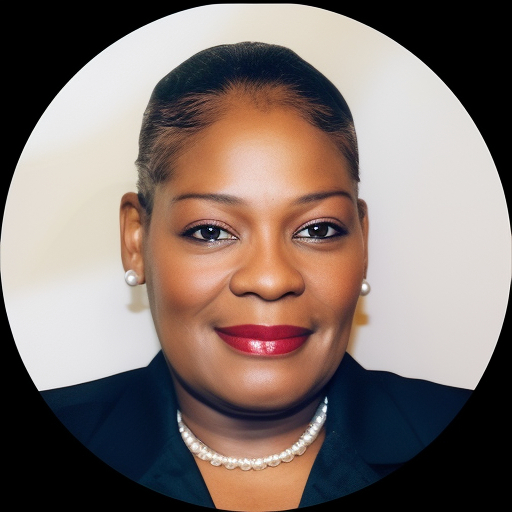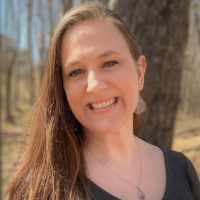
Jessie Staton
LCSW
Licensed Clinical Social Worker - stress and relationships
- Stress, Anxiety
- Addictions
- Relationship
A directory of US therapists who hold an LCSW license
In crisis? Call or text 988LCSW license holders
292 clinical social workers in this directory are licensed in North Carolina. Sessions are online, but a license covers one state, so check the license card on each profile if you will be somewhere else during sessions.
Welcome to ClinicalSocialWorkers.org’s directory for online Licensed Clinical Social Workers serving North Carolina. All therapists listed here hold an LCSW credential issued by a state board; explore individual profiles to learn about their qualifications, focus areas, languages, and years of experience.
LCSW
Licensed Clinical Social Worker - stress and relationships
LCSW
Licensed Clinical Social Worker - anxiety and relationships
LCSW
Licensed Clinical Social Worker - Relationships and Trauma
LCSW, LISW-CP
Licensed Clinical Social Worker - Stress and Grief
LCSW
Licensed Clinical Social Worker - Mood and relationships
LCSW
Licensed Clinical Social Worker - Stress and Addictions
LCSW
Licensed Clinical Social Worker - Stress and Anxiety
LCSW
Licensed Clinical Social Worker - Stress and Trauma
LCSW
Licensed Clinical Social Worker - Stress and Anxiety
LCSW, LISW-CP
Licensed Clinical Social Worker - mental health and addictions
LCSW
Licensed clinical social worker - stress and relationships
LCSW
Licensed Clinical Social Worker - Addictions and Trauma
LCSW
Licensed social worker - trauma and relationships
LCSW
Licensed Clinical Social Worker - Stress and Trauma
LCSW
Licensed Clinical Social Worker - Relationships and Stress
LCSW
Licensed Clinical Social Worker - Relationships and Parenting
LCSW, LISW-CP
Licensed clinical social worker - stress and anxiety
LCSW
Licensed social worker - stress and trauma
LCSW
Licensed Clinical Social Worker - Stress and Parenting
LCSW
Licensed Clinical Social Worker - Relationships and Stress
LCSW, LISW
Licensed Clinical Social Worker - Stress and Eating Concerns
LCSW
Licensed Clinical Social Worker - relational and practical
LCSW
Licensed Clinical Social Worker - Addiction and Trauma
LCSW
Licensed Clinical Social Worker - Stress and Addictions
LICSW, LCSW
Licensed clinical social worker - anxiety and relationships
LCSW
Licensed Clinical Social Worker - Stress and Relationships
LCSW
Licensed Clinical Social Worker - Relationships and Mood
LCSW
Licensed Clinical Social Worker - Stress and anxiety
LCSW
Licensed Clinical Social Worker - Stress and Grief
LCSW
Licensed Clinical Social Worker - stress and trauma help
LCSW
Licensed Clinical Social Worker - Stress and Trauma
LCSW
Licensed Clinical Social Worker - trauma and grief
LCSW
Licensed Clinical Social Worker - stress and relationships
LCSW
Licensed Clinical Social Worker - anxiety and trauma
LCSW
Licensed Clinical Social Worker - Stress and Anxiety
LCSW
Licensed clinical social worker - stress and women's issues
LCSW
Licensed Clinical Social Worker - trauma and mood concerns
LCSW
Licensed Clinical Social Worker - Stress and Anxiety
LCSW, LISW-CP
Licensed Clinical Social Worker - Mood and Anxiety
LICSW, LCSW
Licensed Clinical Social Worker - Mood and Trauma
LCSW
Licensed Clinical Social Worker - Anxiety and Stress
LISW-CP, LCSW
Licensed Clinical Social Worker - Stress and Family Concerns
LCSW
Licensed clinical social worker - trauma and anxiety
LMSW, LCSW
Licensed Clinical Social Worker - Stress and Trauma
LCSW
Licensed Clinical Social Worker - Stress and Trauma
Some links on this page are partner links. We will earn a commission if you sign up through one, at no cost to you. It does not change what you pay or the order of the listings.
If you are considering online sessions with a licensed clinical social worker in North Carolina, it helps to know how the credential is defined and regulated. An LCSW holds a master’s degree in social work, has completed a state-defined period of supervised post-graduate clinical experience - commonly around two to three years and several thousand hours - and has passed a clinical licensing examination. The license itself is issued and renewed by the state board, so scope of practice and title can vary by state. On this site you will find profiles of practitioners who identify as LCSWs and who provide services via video or other remote formats to people living in North Carolina.
Online services are offered by LCSWs who apply social work principles at a clinical level. Social work training emphasizes a person-in-environment perspective, which means an LCSW routinely looks at your circumstances - housing, work, family, finances, community supports, and access to services - alongside your internal experience. That broader view can be particularly useful when practical barriers or life stressors are central to what you want to address. This overview is intended to orient you to what an LCSW credential means and how it shapes the kinds of questions and supports a clinician might raise during remote sessions.
Online sessions with an LCSW can make it easier to access care when travel, mobility, or scheduling are barriers. You can meet with a clinician from your home, a car between errands, or another location where you feel comfortable, provided you have a quiet space and a reliable internet connection. For people who live in rural parts of North Carolina, remote sessions may widen the pool of clinicians you can consider, including those who speak your preferred language or have experience with particular populations.
Working online also supports continuity when life becomes busy or unpredictable. Many people find it simpler to maintain regular conversations when sessions do not require commuting. An LCSW who applies a person-in-environment lens will often help you map practical steps that work within your daily routine - connecting you with community resources, thinking through household or workplace dynamics, and aligning therapeutic goals with your real-world context. Those practical elements can be as important as emotional work, and online formats can make that integration more immediate and actionable.
Licensed clinical social workers typically help with a wide range of concerns that bring a clinical social work perspective to the problem. You can expect discussions about mood and anxiety symptoms, relationship and family challenges, parenting stress, grief and loss, trauma history, workplace difficulties, life transitions, and the practical impacts of financial or housing instability. Because social work centers context, an LCSW often blends attention to feelings with attention to the circumstances that shape those feelings.
Many clinicians also list specializations or populations they commonly work with, such as adolescents, parents, older adults, veterans, people navigating chronic health conditions, or those facing legal or financial stressors. When a clinician lists approaches among their practice areas, remember that listings are descriptions of what they offer rather than certifications guaranteed by this directory. You can look for profiles that emphasize the kinds of life situations and populations that match your needs, and then inquire directly about how the clinician integrates practical supports into clinical work.
Verifying that a clinician holds an active LCSW license in North Carolina is a practical step you can take. The North Carolina Board of Social Work Examiners maintains licensure records and a public lookup for license status. When you use the board lookup, note the clinician’s legal name as listed, license number, issuance and renewal dates, and any public disciplinary history. These details give you factual information about the license itself, including whether it is current and whether there are any public actions on record.
Before you search the board’s database, gather the clinician’s full name and, if available, their license number as shown on their profile. You can use those identifiers to find the public record. The board’s entry often includes contact information for the regulating body if you have follow-up questions. If a clinician works across state lines, remember that licensure must be held in the state where services are provided, so North Carolina residents accessing services remotely should confirm the clinician’s authorization to practice in North Carolina.
Starting with an online LCSW usually follows a few common steps. First, review several profiles to identify clinicians whose focus areas, population experience, languages, and professional bios align with what you want to address. Look for language that mentions the life circumstances you care about and any population focus that feels relevant. Next, reach out using the contact method shown in the profile to learn more about fee structure, insurance or payment policies, and the technical platform used for remote sessions.
When you first connect, many clinicians will invite a brief conversation to make sure the match feels appropriate. In that initial contact you can discuss practical questions such as session length, typical frequency, the clinician’s approach to collaborative goal-setting, and how they incorporate social context into treatment planning. You might also ask how they handle coordination with other providers if you are seeing a physician or another mental health professional. Preparing a short list of your goals and any logistical needs can help you get the most from that first conversation.
Choosing a clinician is a personal decision that balances professional credentials with interpersonal fit. Pay attention to how a clinician describes their practice. Look for specific mentions of the populations and life situations they commonly work with, the languages they speak, and how they think about the role of social context in clinical work. If cultural background, faith, sexual orientation, or life experience is important to you, seek profiles that explicitly mention those connections or the clinician’s comfort working within those contexts.
It is also helpful to consider practical matters such as session format, length, fees, and whether the clinician lists experience coordinating with community resources or other providers. Asking about the clinician’s approach to goal-setting and progress reviews can clarify how they will measure success together. If you want to learn about clinical orientation, you can ask whether they list particular approaches among their practice areas and how they typically apply those approaches in the context of an individual’s life circumstances. Remember that a match in values and communication style is often just as important as formal credentials when you are deciding whether to proceed with a particular clinician.
Remote sessions can be an effective way to engage with an LCSW’s person-in-environment perspective while fitting care into your daily life. Taking time to verify licensure, review profiles for relevant experience, and prepare questions about goals and logistics will help you choose a clinician who aligns with your needs. Use the directory to gather information, and rely on initial conversations with clinicians to judge fit and next steps for your care.