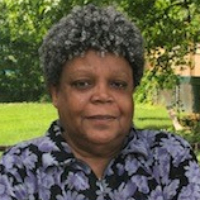
Kellie Cousino
LCSW, LISW-CP
Licensed Clinical Social Worker - stress and addiction
- Stress, Anxiety
- Addictions
- Trauma and abuse
A directory of US therapists who hold an LCSW license
In crisis? Call or text 988LCSW license holders
1,717 clinical social workers list compassion fatigue among the topics they work with. All offer sessions online, and every profile shows each state license and the NPI.
This page lists licensed clinical social workers (LCSWs) who identify compassion fatigue as a focus. Browse the listings below to review profiles and learn about approaches, languages, and professional experience.
LCSW, LISW-CP
Licensed Clinical Social Worker - stress and addiction
LCSW
Licensed Clinical Social Worker - Stress and Grief
LCSW
Licensed Clinical Social Worker - Relationships and Stress
LCSW
Licensed Clinical Social Worker - Stress and Relationships
LCSW
Licensed Clinical Social Worker - Trauma and Life Changes
LCSW
Licensed Clinical Social Worker - Stress and Anxiety
LCSW
Licensed Clinical Social Worker - anxiety and relationships
LCSW
Licensed Clinical Social Worker - Relationships and Trauma
LCSW
Licensed Clinical Social Worker - Mood and relationships
LCSW
Licensed Clinical Social Worker - Trauma and Family Concerns
LCSW
Licensed Clinical Social Worker - Addictions and Family Concerns
LCSW
Licensed Clinical Social Worker - Stress and Relationships
LCSW
Licensed Clinical Social Worker - Stress and Anxiety
LCSW
Licensed Clinical Social Worker - mood and stress
LCSW
Licensed Clinical Social Worker - trauma and mood concerns
LCSW
Licensed Clinical Social Worker - relationships and life changes
LCSW
Licensed clinical social worker - mood and life changes
LCSW
Licensed Clinical Social Worker - Stress and Addictions
LCSW
Licensed Clinical Social Worker - Stress and Trauma
LCSW
Licensed Clinical Social Worker - Anxiety and Trauma
LCSW
Licensed Clinical Social Worker - Family and Parenting
LMSW, LCSW, CSW
Licensed clinical social worker - relationships and coping
LCSW
Licensed Clinical Social Worker - Stress and Anxiety
LCSW
Licensed clinical social worker - relationships and parenting
LCSW, CSW
Licensed Clinical Social Worker - Addiction and Trauma
LCSW
Licensed Clinical Social Worker - Anxiety and Addictions
LCSW
Licensed Clinical Social Worker - stress and parenting help
LCSW
Licensed Clinical Social Worker - Relationship and Trauma
LCSW
Licensed Clinical Social Worker - stress and trauma
LCSW
Licensed Clinical Social Worker - Stress and Addictions
LCSW
Licensed Clinical Social Worker - mood and relationship concerns
LCSW
Licensed Clinical Social Worker - stress and relationships
LCSW
Licensed Clinical Social Worker - Stress and Anxiety
LCSW
Licensed Clinical Social Worker - Stress and Career
LCSW
Licensed Clinical Social Worker - stress and relationships
LMSW, LCSW
Licensed Clinical Social Worker - Stress and Relationships
LCSW
Licensed Clinical Social Worker - Stress and Anxiety
LCSW
Licensed Clinical Social Worker - Stress and Anxiety
LCSW
Licensed Clinical Social Worker - life changes and stress
LCSW
Licensed Clinical Social Worker - stress and relationships
LCSW
Licensed Clinical Social Worker - mood and trauma
LCSW
Licensed Clinical Social Worker - Trauma and Mood Concerns
LCSW, LICSW
Licensed clinical social worker - stress and anxiety
LCSW
Licensed Clinical Social Worker - Stress and Relationships
LCSW, LISW
Licensed Clinical Social Worker - Women's mental health
LCSW
Licensed Clinical Social Worker - mood and life transitions
LCSW, CSW
Licensed Clinical Social Worker - relationships and addictions
Some links on this page are partner links. We will earn a commission if you sign up through one, at no cost to you. It does not change what you pay or the order of the listings.
Compassion fatigue is an emotional and physical response that can emerge when you are regularly exposed to other people’s suffering. It often affects people in caring professions - clinicians, first responders, social service workers, teachers, and family caregivers - but it can appear in anyone who absorbs the distress of others over time. The experience is sometimes described as a gradual erosion of empathy, an increase in emotional exhaustion, or a sense of numbness toward the people you are trying to help. While it overlaps with occupational burnout and vicarious trauma, compassion fatigue has its own profile, frequently tied to the emotional toll of witnessing or responding to trauma and ongoing human need.
When you work with a licensed clinical social worker who lists compassion fatigue as a focus, you are engaging with a clinician whose professional credential reflects a specific pattern of education and oversight. An LCSW holds a master’s degree in social work, has completed a state-defined period of supervised post-graduate clinical experience, and has passed a clinical licensing examination. Social work training emphasizes the person-in-environment perspective, which means the clinician will look at your symptoms alongside the broader circumstances of your life - workplace conditions, family responsibilities, housing, finances, and community connections - rather than examining feelings in isolation.
You may be wondering whether the strain you feel is compassion fatigue or something else. Common clues include persistent physical exhaustion that does not resolve with routine rest, recurring irritability or impatience with colleagues or loved ones, and a growing sense of detachment from the people you previously cared for. You might notice intrusive images or thoughts about difficult cases, difficulty concentrating, changes in sleep or appetite, or a loss of satisfaction in your work. Emotional responses can range from heightened anxiety and sadness to a dulling of affect and reduced capacity for empathy.
If you are finding that daily responsibilities feel overwhelming, that your reactions to stress are more intense than they used to be, or that boundaries between work and home life are eroding, those are practical reasons to seek support. An LCSW can help you recognize patterns that contribute to ongoing strain and can work with you to build coping strategies, set professional limits, and address systemic factors that affect your wellbeing. Seeking help is not an admission of failure; it is a step toward preserving your capacity to care for others and for yourself.
When you meet with a licensed clinical social worker about compassion fatigue, the first sessions usually involve an assessment that considers both internal responses and external stressors. An LCSW will ask about your work history, common stressors, relationships, routines, and how these factors intersect with your emotional and physical health. Because social work emphasizes a person-in-environment lens, the conversation often moves beyond symptom checklists to include practical questions about workload, supervision, access to resources, and social supports.
Therapy with an LCSW for compassion fatigue is typically collaborative. You and the clinician will identify goals that may include reducing symptoms of exhaustion, improving emotional regulation, restoring satisfying boundaries between work and personal life, and reconnecting with sources of meaning. Sessions may introduce skills for immediate symptom management as well as longer-term strategies for resilience. LCSWs often bring attention to tangible changes that can ease burden, such as problem-solving around scheduling, advocating for reasonable caseloads, or connecting you to community services. Referrals to additional supports, including peer consultation groups or workplace resources, are a routine part of comprehensive care.
Licensed clinical social workers often draw from a range of therapeutic approaches. You might see therapists who list cognitive behavioral approaches among their methods to help you identify and reframe patterns of thinking that heighten stress. Others may list mindfulness-based practices aimed at improving emotional regulation and present-moment awareness, which can reduce the intensity of reactive emotions. Some LCSWs describe narrative or psychodynamic approaches that explore how your personal history and professional identity shape your responses to suffering. Because compassion fatigue often ties to trauma exposure, you may find clinicians who list trauma-informed care among their approaches, which emphasizes safety, empowerment, and recognition of trauma reactions without making trauma the only focus.
It is important to remember that listing an approach does not guarantee specific certification or training in that method. When reviewing profiles, pay attention to how a clinician describes their focus and experience. Notice whether they explicitly mention working with helping professionals, caregiver stress, secondary traumatic stress, or related concerns. That language can indicate familiarity with the day-to-day realities that contribute to compassion fatigue and a practice orientation that addresses both emotion and context.
Online sessions with an LCSW offer a practical option when in-person meetings are difficult because of schedules, geographic distance, or workplace commitments. You can meet by video or phone from a place that feels comfortable, allowing for greater continuity of care when work patterns are unpredictable. In sessions conducted remotely, an LCSW will still use the person-in-environment approach, asking about the conditions of your work and daily life and helping you translate therapeutic strategies into your real-world routines. Technology also makes it easier to maintain frequent, shorter check-ins when you are managing acute stress, although the structure of sessions varies by clinician and state licensing rules.
When considering online work, think about practical matters such as whether the clinician is licensed in your state, how they handle documentation and paperwork, and what communication methods they use between sessions. You may prefer a therapist who mentions experience working with frontline workers, healthcare staff, or caregivers, because that indicates familiarity with the kinds of ethical dilemmas and boundary challenges that often contribute to compassion fatigue.
Choosing a clinician is a personal decision that benefits from attention to several factors. Look for LCSWs who explicitly mention compassion fatigue, secondary traumatic stress, or caregiver strain in their profiles, as this signals a practice focus. Compare the approaches they list and the kinds of populations they describe working with; some clinicians emphasize workplace systems and advocacy, while others emphasize individual coping skills and emotional processing. Consider language preferences, cultural competence, and experience with populations similar to yours. Also think about practical alignment - the therapist’s stated methods, session format, and professional background should match your priorities for care.
Finally, trust your response during initial contact. A good match often hinges on how well the clinician listens to your concerns, how clearly they explain their approach to compassion fatigue, and whether they recognize the interaction of personal and environmental factors in your life. That combination of professional credential - the LCSW - and practice focus can provide a helpful framework as you work to manage emotional strain and rebuild sustainable ways of caring for others and for yourself.
If you are ready to explore options, use the listings above to review profiles of licensed clinical social workers who list compassion fatigue as a focus, and consider reaching out to learn how a particular clinician might approach your situation.