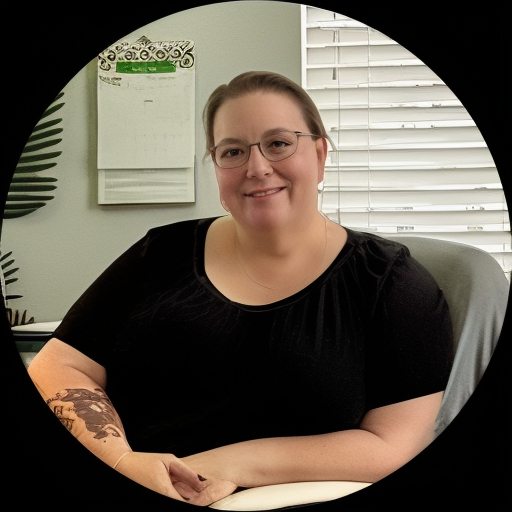
Susan Ramsey-French, LCSW
Licensed in Florida 8 years in practice Sessions online
Licensed Clinical Social Worker - Trauma and Mood Concerns
Surnames under R in the A-Z of everyone listed
License on record
LCSW- LCSW, Florida
- SW21036
- NPI
- 1134825656 national provider identifier
- Years in practice
- 8
- Languages
- English
As listed on the therapist's public professional profile. Check any license with the state board and the NPI with the national registry.
About Susan
Licensed Clinical Social Worker in Florida with eight years of experience, Susan Ramsey-French helps people manage stress, anxiety, trauma and abuse, anger, depression, relationship and family concerns, self-esteem struggles, bipolar symptoms, coping with life changes, and compassion fatigue. Susan speaks plainly in sessions and focuses on what is happening now and what can be changed.
She uses practical conversation, problem-solving, and tools to reduce overwhelm. People can expect direct communication and collaborative planning about next steps.
Background and approach
Her background includes work with trauma-related concerns and difficult life transitions. She brings approaches that emphasize the client’s perspective and present goals. Treatment plans often include short-term strategies and skills people can use between sessions to cope and move forward.
Susan uses evidence-informed methods such as client-centered work, cognitive behavioral techniques, mindfulness tools, and EMDR when appropriate. She also draws on motivational interviewing and solution-focused strategies to help people clarify goals and take small steps toward change. Sessions aim to identify patterns that maintain distress and to build practical skills for regulation, communication, and problem solving.
Susan encourages tracking progress and adjusting techniques as needs evolve. The work centers on clear goals, review of what is working, and planning concrete next steps for daily life.
Focus areas and approaches
Everything Susan lists on their public professional profile, in their own terms.
- Stress, Anxiety
- Trauma and abuse
- Anger management
- Depression
- Relationship issues
- Family conflicts
- Self esteem
- Bipolar disorder
- Coping with life changes
- Compassion fatigue
- Abandonment
- Attachment issues
- Blended family issues
- Body image
- Co-morbidity
- Codependency
- Commitment issues
- Communication problems
- Control issues
- Coping with natural or human-caused disaster
- Dependent personality
- Dissociation
- Domestic violence
- Emptiness
- Family problems
- First responder issues
- Guilt and shame
- Impulsivity
- Isolation / loneliness
- Jealousy
- Life purpose
- Midlife crisis
- Veteran and Armed Forces Issues
- Mood disorders
- Obsessions, compulsions, and OCD
- Panic disorder and panic attacks
- Phobias
- Post-traumatic stress
- Self-harm
- Self-love
- Sexual assault and abuse
- Social anxiety and phobia
- Trichotillomania
- Young adult issues
Approaches Susan names
- Client-Centered Therapy
- Cognitive Behavioral Therapy (CBT)
- Eye Movement Desensitization and Reprocessing (EMDR)
- Mindfulness Therapy
- Motivational Interviewing
- Solution-Focused Therapy
- Trauma-Focused Therapy
Naming an approach is not evidence of training in it. This directory copies what each therapist lists and does not check training records.
Therapeutic approaches and working online
Client-centered therapy focuses on the person’s perspective and values. Sessions follow the client’s lead, with the therapist asking questions and reflecting what matters most. This approach helps when people need to sort out priorities and feel heard.Cognitive Behavioral Therapy (CBT) teaches practical skills to change unhelpful thoughts and behaviors. CBT is often used for anxiety, depression, and stress by breaking problems into manageable steps and trying new coping strategies.
Eye Movement Desensitization and Reprocessing (EMDR) is a structured method for addressing distress tied to traumatic memories. It involves guided processing and can reduce the intensity of upsetting memories over a sequence of sessions.
Finding the right approach is part of the work. The therapist will discuss goals, try methods that fit the person’s needs, and adjust the plan over time. Decisions about which techniques to use are made together and revisited as progress is tracked.
Confirm current online session options before booking. When using remote sessions, practical benefits include fitting appointments into a busy day, making shorter check-ins easier, and avoiding travel time. Some approaches work well in remote formats, and the therapist will discuss how particular techniques can be adapted to the chosen session setup.
We will earn a commission if you sign up through our link, at no cost to you. It does not change what you pay or the order of the listings.
Questions about Susan
What kinds of concerns does she help with most often?
She supports people with stress, anxiety, trauma and abuse, anger, depression, relationship and family concerns, self-esteem issues, bipolar symptoms, and coping with life changes.
What is her general therapy style?
Her style is direct and practical. Sessions focus on current problems, clear goals, and skills that can be practiced between appointments.
How much clinical experience does she have?
She has eight years of experience working with trauma-related concerns and mood issues.
What credentials and location are on record?
She is a Licensed Clinical Social Worker (LCSW) licensed in Florida.
Which languages are supported in sessions?
Sessions are offered in English.
Does she accept clients outside the United States?
She does not accept international clients at this time.
How are session costs handled?
Cost varies with location and sessions use a subscription that can be canceled at any time.
What steps are involved in getting started?
Choose the See online therapy options button, complete a short matching questionnaire, and schedule a first session.
Before you start. This directory copies what each therapist lists and does not check licenses, training or availability. Confirm the license with the state board for the state you will be in during sessions.
If you are in crisis, call or text 988. In immediate danger, call 911.
Others licensed in Florida
See all in Florida
Victoria Echeverry Navia
LCSW
Licensed Clinical Social Worker - Relationships and Stress
- Stress, Anxiety
- Relationship
- Family

Karina Flores
LCSW
Licensed Clinical Social Worker - Stress and Relationships
- Stress, Anxiety
- Relationship
- Self esteem

Matthew Mulock
LCSW
Licensed Clinical Social Worker - Anxiety and Trauma
- Stress, Anxiety
- Addictions
- Trauma and abuse

Suzanne Brabant
LCSW
Licensed Clinical Social Worker - Stress and Anxiety
- Stress, Anxiety
- Depression
- Coping with life changes
Is this your profile?
Ask us to correct a detail or take the page down.
Contact us