
Victoria Bartholomew, LCSW
Licensed in 7 states 6 years in practice Sessions online
Licensed Clinical Social Worker - family and relationship concerns
Surnames under B in the A-Z of everyone listed
License on record
LCSW- LCSW, Florida
- SW19815
- LCSW, Missouri
- 2021042799
- LCSW, Texas
- 106353
- LCSW, Illinois
- 149.023928
- LISW, Iowa
- 116037
- LSCSW, Kansas
- LSCSW 05551
- LCSW, Tennessee
- 8330
- NPI
- 1770205643 national provider identifier
- Years in practice
- 6
- Languages
- English
As listed on the therapist's public professional profile. Check any license with the state board and the NPI with the national registry.
About Victoria
Licensed Clinical Social Worker (LCSW) licensed in Illinois and Texas with six years of experience, Victoria Bartholomew helps people manage stress, anxiety, relationship and family concerns, parenting challenges, self-esteem issues, trauma and depression. She writes that she supports people working through life changes and the practical strains that come with them.
Victoria presents herself as a straightforward clinician who encourages active effort toward change. Victoria uses evidence-informed approaches such as Cognitive Behavioral Therapy, Dialectical Behavior Therapy, Motivational Interviewing, Solution-Focused Therapy, and Trauma-Focused Therapy.
Background and approach
Sessions focus on identifying patterns that keep problems going and on building skills for daily life. She helps people notice unhelpful thoughts, set workable goals, and practice new coping strategies between meetings. Her style emphasizes direct collaboration.
Victoria asks specific questions, sets clear goals, and checks progress regularly. She also works with relationship and family dynamics in sessions by helping individuals clarify boundaries and communication habits that affect their daily functioning. Victoria has experience addressing blended family issues, control concerns, divorce and separation, workplace stress, young adult issues, and women’s issues.
She aims to make therapy practical so clients can try new behaviors and see what works. To begin, she recommends the usual intake steps: a brief questionnaire and an initial session to set goals and expectations. Prospective clients should confirm current session options before booking.
Focus areas and approaches
Everything Victoria lists on their public professional profile, in their own terms.
- Stress, Anxiety
- Relationship issues
- Family conflicts
- Parenting issues
- Self esteem
- Trauma and abuse
- Depression
- Coping with life changes
- Blended family issues
- Control issues
- Divorce and separation
- Family problems
- Self-love
- Women's issues
- Workplace issues
- Young adult issues
Approaches Victoria names
- Cognitive Behavioral Therapy (CBT)
- Dialectical Behavior Therapy (DBT)
- Motivational Interviewing
- Solution-Focused Therapy
- Trauma-Focused Therapy
Naming an approach is not evidence of training in it. This directory copies what each therapist lists and does not check training records.
How Victoria integrates CBT, DBT and trauma work into online care
Victoria commonly draws on Cognitive Behavioral Therapy to help people notice and change unhelpful thinking and behavior patterns. CBT involves setting clear goals, tracking thoughts and testing new behaviors to reduce anxiety, depression, and stress.She also uses Dialectical Behavior Therapy skills to teach practical emotion regulation, distress tolerance, and communication techniques. DBT skills can be useful for managing intense emotions and improving day-to-day interactions. Trauma-Focused Therapy is used when past events continue to affect functioning; this work focuses on processing painful memories and building coping skills for current life demands.
Choosing the best approach is a collaborative process. Victoria will review a client’s needs and preferences in the first sessions and adjust methods over time. She frames treatment around measurable goals and regular check-ins so approaches can shift if they are not helping.
The profile does not list specific online session formats, so confirm the available options before booking. Online work can make scheduling easier, help shorten commute time, and allow brief check-ins during a busy day. It can also make it simpler to practice skills where problems occur, for example at home or during a work break. Ask about formats and scheduling when completing the short matching questionnaire and setting up the first session.
We will earn a commission if you sign up through our link, at no cost to you. It does not change what you pay or the order of the listings.
Questions about Victoria
What kinds of concerns does she address most often?
She works with stress, anxiety, relationship and family concerns, parenting challenges, self-esteem, trauma and depression. Additional focus areas include blended family issues, divorce and separation, workplace issues, and young adult concerns.
What is her approach to therapy?
She uses practical, skills-based approaches such as Cognitive Behavioral Therapy, Dialectical Behavior Therapy, Motivational Interviewing, Solution-Focused Therapy, and Trauma-Focused Therapy. Sessions emphasize identifying patterns and practicing new coping strategies between meetings.
How much clinical experience does she have?
She has six years of professional experience working with clients on the concerns listed in her profile.
Where is she licensed and based?
She holds LCSW credentials in Illinois and Texas and is located in Kansas.
Which languages are supported in sessions?
Sessions are offered in English only.
Can I work with her from another country?
She is not accepting international clients at this time.
How are sessions scheduled and what formats are offered?
Specific session formats are not listed in the profile; please confirm current session options before booking. The intake process begins with a short matching questionnaire and scheduling an initial session.
How does pricing work for sessions?
Cost varies with location and sessions use a subscription model that can be canceled at any time.
Before you start. This directory copies what each therapist lists and does not check licenses, training or availability. Confirm the license with the state board for the state you will be in during sessions.
If you are in crisis, call or text 988. In immediate danger, call 911.
Others licensed in Kansas
See all in Kansas
Kimberly Johnson
LSCSW, LCSW
Licensed Clinical Social Worker - Mood and Stress
- Stress, Anxiety
- Parenting
- Self esteem
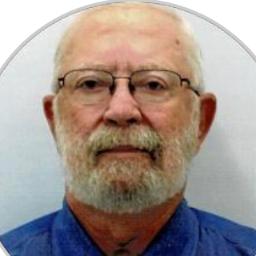
Louis Koch
LSCSW, LCSW
Licensed clinical social worker - stress and relationships
- Stress, Anxiety
- Addictions
- LGBT

Cyri Krantz
LSCSW, LCSW
Licensed clinical social worker - mood and behavior
- Addictions
- Trauma and abuse
- Anger

Kendra Davis-Leighty
LSCSW, LCSW
Licensed Clinical Social Worker - Stress and Relationships
- Stress, Anxiety
- Relationship
- Family
Is this your profile?
Ask us to correct a detail or take the page down.
Contact us