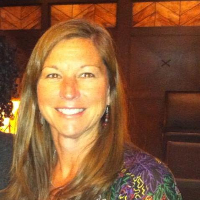
Jacqueline Valoy
LCSW
Licensed Clinical Social Worker - Stress and Trauma
- Stress, Anxiety
- Trauma and abuse
- Self esteem
A directory of US therapists who hold an LCSW license
In crisis? Call or text 988LCSW license holders
34 clinical social workers in this directory are licensed in Hawaii. Sessions are online, but a license covers one state, so check the license card on each profile if you will be somewhere else during sessions.
Welcome to ClinicalSocialWorkers.org's directory for online therapy in Hawaii. All therapists listed hold an LCSW license; explore the listings to compare focus areas, approaches, languages, and experience to find a good match.
LCSW
Licensed Clinical Social Worker - Stress and Trauma
LCSW
Licensed Clinical Social Worker - stress and trauma
LCSW
Licensed social worker - stress and trauma
LCSW
Licensed clinical social worker - stress and trauma
LCSW
Licensed Clinical Social Worker - adult mental health
LCSW
Licensed clinical social worker - stress and relationships
LCSW
Licensed Clinical Social Worker - Stress and Grief
LCSW
Licensed Clinical Social Worker - Stress and LGBT concerns
LCSW
Licensed Clinical Social Worker - Stress and Trauma
LCSW
Licensed Clinical Social Worker - mood and life changes
LCSW
Licensed Clinical Social Worker - Stress and Trauma
LCSW
Licensed Clinical Social Worker - Stress and Trauma
LCSW
Licensed clinical social worker - Stress and trauma
LCSW
Licensed Clinical Social Worker - trauma and military issues
LMSW, LCSW
Licensed Clinical Social Worker - Stress and Trauma
LCSW
Licensed Clinical Social Worker - Anxiety and Relationships
LCSW
Licensed Clinical Social Worker - stress and trauma support
LCSW
Licensed Clinical Social Worker - Stress and Trauma
LCSW
Licensed Clinical Social Worker - mood and relationships
LCSW
Licensed clinical social worker - relationships and grief
LCSW
Licensed Clinical Social Worker - Trauma and Family
LCSW
Licensed Clinical Social Worker - aging and caregiver support
LCSW
Licensed clinical social worker - trauma and mood concerns
LCSW, LICSW
Licensed Clinical Social Worker - Stress and Addictions
LCSW
Licensed Clinical Social Worker - Relationship and Identity
LCSW
Licensed Clinical Social Worker - Trauma and Mood
LCSW
Licensed clinical social worker - trauma and anxiety
LCSW, LICSW
Licensed Clinical Social Worker - mood and stress concerns
LCSW, LICSW
Licensed clinical social worker - stress and relationships
LCSW
Licensed Clinical Social Worker - Trauma and Anxiety
LCSW
Licensed Clinical Social Worker - Addictions and Grief
Some links on this page are partner links. We will earn a commission if you sign up through one, at no cost to you. It does not change what you pay or the order of the listings.
When you search for online therapy in Hawaii on this site, you are looking at clinicians who hold the Licensed Clinical Social Worker credential. An LCSW has earned a master's degree in social work, completed a state-set period of supervised post-graduate clinical experience - commonly around two to three years and several thousand hours, though exact requirements vary by state - and passed a clinical licensing examination. The license is issued and renewed by the state board, and the scope of practice for LCSWs is determined by state regulation.
Social work training emphasizes a person-in-environment perspective. That means an LCSW considers your internal experience alongside the practical circumstances around you - housing, work, family, finances, community connections, and access to services. That orientation can be especially relevant in Hawaii, where geographic and cultural factors influence daily life. If you choose online therapy with an LCSW, you will likely encounter clinicians who balance attention to emotional needs with awareness of real-world constraints and supports.
Online sessions make it possible to access licensed clinical social workers from anywhere in the state, whether you are on Oahu, Maui, the Big Island, Kauai, or a smaller island community. Telehealth reduces travel time and the need to coordinate long commutes between islands. For people juggling work, caregiving, or health needs, connecting from home or a workplace can make it more practical to keep regular appointments.
Keep in mind that licensing matters. An LCSW must be authorized to practice in Hawaii to provide online clinical services to residents here. Licensing rules and telehealth regulations can affect how a clinician is allowed to work across jurisdictions, so confirming licensure is an important step before starting sessions. Outside of licensing, reliable internet, a device that supports video meetings, and a quiet place to talk will help you get the most from remote sessions.
Online therapy increases accessibility by reducing geographic barriers and broadening the pool of clinicians you can consider. If you live on an island with fewer in-person options, an online session can connect you with someone whose experience aligns with your needs. This format also supports continuity if you move between islands temporarily for work, school, or family reasons, or if transportation is a challenge.
Another benefit is scheduling flexibility. Virtual sessions can fit into busy days when leaving the house would be difficult. For those caring for family members or managing chronic health conditions, being able to meet from home reduces the strain of additional logistics. Online sessions can also make it easier to include a family member, partner, or other support person in a session when that makes sense for your goals.
Licensed clinical social workers commonly address a wide range of emotional and practical concerns. You may seek an LCSW for symptoms of depression or anxiety, for help managing stress, for support after trauma or loss, or for relationship and family issues. Many people also turn to an LCSW for assistance with life transitions - such as job change, relocation, parenting challenges, caregiving stress, or retirement - where practical and emotional factors intersect.
Because social work training considers context, LCSWs often focus on problems that are linked to social determinants of health. That can include help navigating housing or employment stress, coordinating with community resources, or addressing cultural and identity-related concerns. In Hawaii, clinicians may list experience working with multicultural communities, indigenous identities, military families, and issues related to island life. When reviewing profiles, you can note the types of issues a clinician lists and whether their stated focus areas match what you want to address.
Verifying that a clinician holds an active LCSW license in Hawaii is a straightforward, important step. Begin by locating the license number on the clinician's profile if it is provided, or ask the clinician for it. Then use Hawaii's official professional licensing website or the state board's online lookup tool to search the name or license number. The lookup will typically show whether the license is active, the expiration date, and any disciplinary history that has been recorded.
Licensing records will also indicate the title under which someone is authorized to practice. Since licensing language and scope of practice vary by state, confirming that the clinician is licensed specifically as an LCSW in Hawaii ensures they are authorized to provide clinical services here. If you have questions about what specific entries in a public record mean, the state licensing agency can provide guidance. Verifying licensure helps you understand a clinician's legal standing - it does not, by itself, speak to therapeutic fit or approach.
When you are ready to begin online therapy, think about what you want to accomplish. You do not need a perfectly formed plan, but having a few goals or priorities will help you evaluate whether a clinician's focus and experience align with your needs. Consider practical factors such as language preference, cultural competence, experience with particular issues, and logistical considerations like session length and fee range. Many clinicians list the approaches they use; because listings do not confirm training credentials, treat approach labels as signals to discuss rather than guarantees.
Before your first session, set up a reliable device and a quiet area where you can speak without interruptions. Pay attention to personal privacy and to whether you will need to coordinate childcare or time off work. If you are using insurance, ask about billing practices and whether the therapist can provide documentation for reimbursement. You may also want to ask the clinician how they handle emergencies and what local resources they recommend in case you need urgent help between sessions.
Fit is both personal and practical. You will likely want a clinician who demonstrates respect for your background and values, and who communicates in a way that feels supportive. Pay attention to whether the clinician listens to your concerns and responds with clear ideas about how to work toward your goals. Practical fit matters too - session format, language, fee structure, and the clinician's stated areas of focus should align with your priorities.
Keep in mind that profiles list credentials and the kinds of issues therapists commonly address, but they do not provide a full picture of how a clinician works. It is reasonable to ask about the clinician's experience with the issues you want to address, about the ways they measure progress, and about the practicalities of online sessions. If the clinician lists a specific approach among their methods, you can ask what using that approach looks like in practice and whether it has been helpful for others with similar concerns. These conversations will help you make an informed choice.
Finally, if you are ever in immediate danger or facing a crisis, contact local emergency services right away. Online therapy is a valuable option for many people, but it is not a substitute for emergency intervention. Use this directory as a starting point to learn about licensed clinical social workers in Hawaii and to begin conversations that lead to a therapeutic relationship that suits your needs.