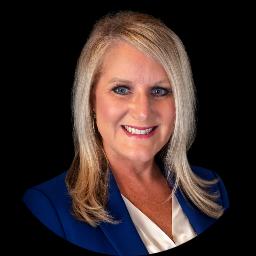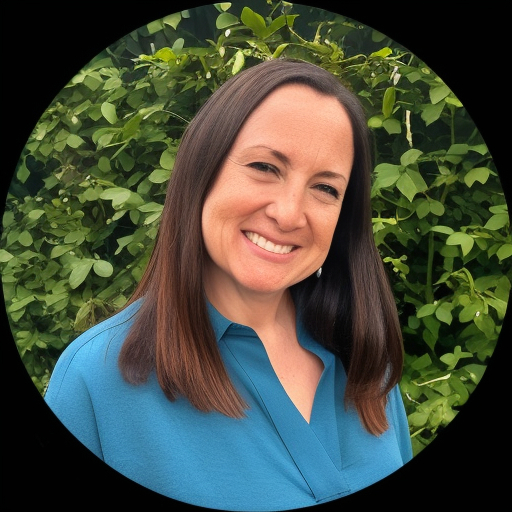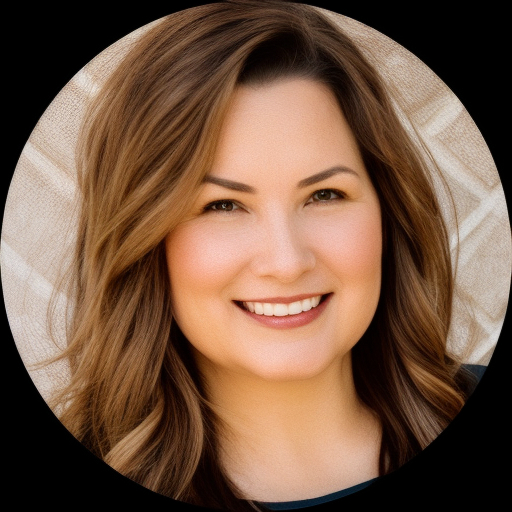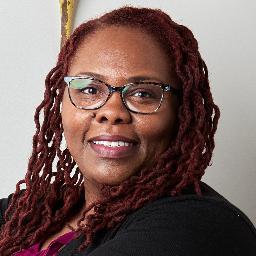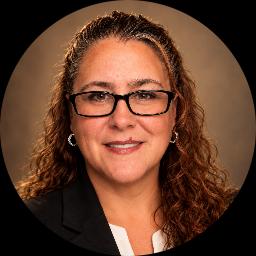
Katie Kanatzar
LCSW
Licensed Clinical Social Worker - Stress and Trauma
- Stress, Anxiety
- Trauma and abuse
- Self esteem
A directory of US therapists who hold an LCSW license
In crisis? Call or text 988LCSW license holders
124 clinical social workers in this directory are licensed in Kentucky. Sessions are online, but a license covers one state, so check the license card on each profile if you will be somewhere else during sessions.
Welcome to ClinicalSocialWorkers.org’s Kentucky directory for licensed clinical social workers offering online care. Every professional listed holds a state-issued LCSW license - browse profiles to review focus areas, approaches, languages, and experience.
LCSW
Licensed Clinical Social Worker - Stress and Trauma
LCSW
Licensed Clinical Social Worker - Stress and Trauma
LCSW
Licensed clinical social worker - relationships and trauma
LCSW
Licensed Clinical Social Worker - Stress and Trauma
LCSW
Licensed Clinical Social Worker - Family and Parenting
LCSW
Licensed Clinical Social Worker - Relationships and Trauma
LCSW
Licensed Clinical Social Worker - grief and life changes
LCSW
Licensed Clinical Social Worker - Stress and Trauma
LCSW
Licensed Clinical Social Worker - Stress and Relationships
LCSW
Licensed Clinical Social Worker - anxiety and self esteem
LCSW
Licensed Clinical Social Worker - Trauma and Anxiety
LCSW, LISW
Licensed Clinical Social Worker - Anxiety and Relationships
LCSW
Licensed Clinical Social Worker - relationships and trauma
LCSW
Licensed Clinical Social Worker - stress and trauma
LCSW
Licensed clinical social worker - stress and addictions
LCSW
Licensed Clinical Social Worker - mood and attention
LCSW
Licensed Clinical Social Worker - stress and relationships
LCSW
Licensed Clinical Social Worker - stress and addictions
LCSW
Licensed Clinical Social Worker - Stress and Addiction
LCSW
Licensed Clinical Social Worker - trauma and mood concerns
LCSW
Licensed Clinical Social Worker - anxiety and identity support
LCSW
Licensed Clinical Social Worker - adult mental health
LCSW
Licensed Clinical Social Worker - Stress and Anxiety
LCSW
Licensed Clinical Social Worker - relationships and anxiety
LCSW
Licensed Clinical Social Worker - Stress and Parenting
LCSW
Licensed Clinical Social Worker - mood and relationships
LCSW
Licensed Clinical Social Worker - Stress and Addictions
LCSW
Licensed clinical social worker - stress and anxiety
LCSW
Licensed Clinical Social Worker - mood and trauma
LCSW
Licensed social worker - stress and trauma
LCSW
Licensed Clinical Social Worker - Trauma and Mood concerns
LCSW
Licensed Clinical Social Worker - Stress and Trauma
LCSW
Licensed Clinical Social Worker - Stress and Mood Concerns
LCSW
Licensed Clinical Social Worker - Stress and Anxiety
LCSW
Licensed Clinical Social Worker - Stress and Trauma
LCSW
Licensed Clinical Social Worker - Anxiety and Addictions
LCSW
Licensed clinical social worker - stress and relationships
LCSW
Licensed Clinical Social Worker - Anxiety and Relationship Concerns
LCSW
Licensed Clinical Social Worker - Anxiety and Trauma
LCSW
Licensed Clinical Social Worker - Mood and Trauma
LCSW
Licensed Clinical Social Worker - Stress and Anxiety
LCSW
Licensed Clinical Social Worker - stress and trauma
LCSW
Licensed social worker - relationships and trauma
LCSW
Licensed Clinical Social Worker - Mood and Addiction
LCSW
Licensed Clinical Social Worker - Relationships and Parenting
LCSW
Licensed Clinical Social Worker - Addictions and Anxiety
Some links on this page are partner links. We will earn a commission if you sign up through one, at no cost to you. It does not change what you pay or the order of the listings.
If you are looking for an LCSW who offers online sessions in Kentucky, you are connecting with a credential that reflects advanced clinical social work training and state licensure. An LCSW holds a master’s degree in social work, has completed a period of post-graduate supervised clinical experience and has passed a clinical licensing examination. The license itself is issued and regulated by the state board, and specific scope of practice and rules about remote practice can vary. In recent years many licensed clinical social workers have incorporated online sessions into their practices to reach people across the state, including in rural counties where in-person options may be limited. The presence of online services means you can consider clinicians based in different parts of Kentucky while staying within the state’s regulatory framework.
Regulatory guidance and telehealth rules evolve, and the Kentucky board that oversees social work licensure publishes the latest requirements for licensed clinical social workers. If you are outside Kentucky and interested in working with a clinician who holds an LCSW, note that cross-state practice is governed by licensing and telehealth rules. This directory focuses specifically on clinicians who list online services for Kentucky residents and provides profile information that helps you evaluate fit based on training background, experience, and areas of focus rather than operational details like scheduling or openings.
Online sessions with an LCSW can offer practical benefits for many people across Kentucky. You can access a licensed clinician without traveling long distances, which matters if you live in a rural community or face transportation challenges. Online care also offers flexibility around work and family schedules, so you may be able to connect from home during a break or from another location that supports your participation. Because LCSW training emphasizes a person-in-environment perspective, clinicians who hold this credential are well-suited to consider how your housing, employment, relationships, and community resources affect your experience, even when meetings occur remotely.
Another advantage is continuity. If you relocate within the state or spend time in different communities, online sessions can help maintain the same therapeutic relationship while you address transitions. Online formats can also make it easier to include family members or other supports in sessions when appropriate. When considering online care, think about how you will create a quiet space for sessions, how you prefer to communicate with a clinician, and whether you want a clinician who lists specific populations or languages in their profile. Those profile details help you find clinicians whose experience matches your needs.
Licensed clinical social workers address a broad range of emotional, interpersonal, and practical concerns. You will find LCSWs who list focuses such as anxiety and depression, trauma and post-trauma adjustment, grief and loss, relationship and family difficulties, parenting questions, workplace stress, and challenges related to chronic health conditions. Many LCSWs also work with life transitions like divorce, career change, or adjustment to caregiving roles. Because the social work perspective looks at the whole context surrounding a person, these clinicians often incorporate attention to social supports, access to community resources, and practical problem-solving alongside clinical work.
Some LCSWs list approaches that include evidence-informed methods or therapeutic frameworks. When you review a profile, note that an approach listed is an indication of interest or orientation rather than a guarantee of formal certification in a specific modality. If coordination with community agencies, schools, or medical providers is important to you, an LCSW’s background in systems-based practice can be particularly relevant. In online sessions, clinicians who hold an LCSW credential continue to consider environmental factors - such as housing, financial stressors, or caregiving burdens - and how those factors interact with emotional well-being.
Verifying that a clinician holds an active LCSW license in Kentucky is an important step. The Kentucky board responsible for social work licensure provides an online license lookup tool where you can search by clinician name to confirm licensure status. When you use the lookup you can check that the license is listed as active, see the license number, and view expiration dates and any public disciplinary history. These official records also help you confirm that the credential is specifically an LCSW rather than a different social work license designation.
When examining licensure information, it can be helpful to note the date of initial licensure and any publicly reported complaints or actions. If you see another credential listed in profiles that looks similar to an LCSW - for example a different designation used in another state - remember that licensing titles and scopes of practice may vary by jurisdiction. If you have questions about what appears in a public record, the Kentucky board’s consumer information pages describe how to interpret license data and how to contact the board for clarification. Verifying licensure gives you factual information about the clinician’s legal standing to provide clinical social work services in Kentucky.
Getting started with online sessions typically begins with reviewing clinician profiles to compare focus areas, stated approaches, languages, populations served, and years of clinical experience. Think about the characteristics that matter most to you - whether that is experience with a particular life issue, comfort with certain therapeutic styles, or shared cultural or linguistic background. Profiles often indicate the populations a clinician works with, such as adolescents, adults, couples, or caregivers, and you can use those details to narrow your search.
Before you begin a first session, prepare a few practical items: identify a quiet spot with good internet access, consider how you will protect your privacy and ensure your comfort during the session, and have any insurance or payment information handy if you plan to use benefits. You may want to write down the main issues you want to address and a short list of goals you hope to accomplish in the early sessions. It can also help to prepare questions for the clinician about their experience with the issues you are facing, their typical session length and format, billing and insurance practices, and how they handle documentation and privacy concerns.
When comparing clinicians, focus on substantive fit rather than operational details that change frequently. Look for LCSWs who list experience with the concerns you are facing, who describe approaches that resonate with you, and who state language skills if that matters. If you value care that considers your broader life circumstances, look for clinicians who explicitly reference systems, community resources, or a person-in-environment perspective in their profiles. That orientation is a hallmark of clinical social work training and may influence how your clinician balances clinical work with practical assistance and connection to services.
In the early sessions you and the clinician will likely discuss goals, preferences for communication, and the practicalities of online care. Be ready to talk about what feels most important to you right now and any previous experience with counseling or therapy. If there are specific cultural, identity, or logistical factors that affect your experience, bringing those up early helps the clinician understand how to tailor the work to your situation. Over time you can assess whether the clinician’s style and focus are helping you make the progress you want.
Consider asking about a clinician’s experience with the issues you face, the populations they work with, the types of approaches they list in their profile, and whether they have experience coordinating with community supports or other providers. It is also reasonable to ask about session length and frequency, how documentation is handled, and how the clinician protects your privacy in online meetings. These conversations give you information about fit and help set expectations for how you will work together.
Online sessions with an LCSW can be a practical and accessible way to get help while keeping attention on both your internal experience and the life circumstances that affect it. By confirming licensure, reviewing profiles thoughtfully, and preparing for early sessions, you can find a clinician whose skills and orientation align with the goals you bring to care. Use the directory to explore clinicians who hold an LCSW license and to compare focus areas, approaches, languages, and experience as you make your choice.