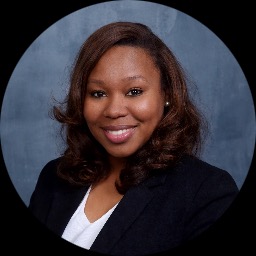
Kellie Cousino
LCSW, LISW-CP
Licensed Clinical Social Worker - stress and addiction
- Stress, Anxiety
- Addictions
- Trauma and abuse
A directory of US therapists who hold an LCSW license
In crisis? Call or text 988LCSW license holders
27 clinical social workers in this directory are licensed in South Carolina. Sessions are online, but a license covers one state, so check the license card on each profile if you will be somewhere else during sessions.
Welcome to ClinicalSocialWorkers.org's directory for South Carolina online therapy. All clinicians listed here hold an LCSW license; explore profiles to learn about their experience, languages, and service focus.
LCSW, LISW-CP
Licensed Clinical Social Worker - stress and addiction
LISW-CP, LCSW
Licensed clinical social worker - stress and trauma
LCSW, LISW-CP
Licensed Clinical Social Worker - Stress and Trauma
LCSW, LISW-CP
Licensed Clinical Social Worker - Stress and Trauma
LISW-CP, LCSW
Licensed Clinical Social Worker - Stress and Grief
LCSW, LISW-CP
Licensed Clinical Social Worker - Stress and Trauma
LCSW, LISW-CP
Licensed clinical social worker - stress and trauma
LCSW, LISW-CP
Licensed Clinical Social Worker - Stress and Relationships
LCSW, LISW-CP
Licensed Clinical Social Worker - mood and relationships
LCSW, LISW-CP
Licensed Clinical Social Worker - Stress and Addictions
LCSW, LISW-CP
Licensed Clinical Social Worker - Stress and Anxiety
LISW-CP, LCSW
Licensed Clinical Social Worker - relationships and trauma
LISW-CP, LCSW, CSW
Licensed clinical social worker - mood and life concerns
LCSW, LISW-CP
Licensed Clinical Social Worker - Anxiety and Addictions
LISW-CP, LCSW
Licensed social worker - Stress and relationships
LCSW, LISW-CP
Licensed Clinical Social Worker - stress and life transitions
LCSW, CSW
Licensed Clinical Social Worker - stress and trauma
LISW, LCSW
Licensed Clinical Social Worker - Stress and Relationships
LCSW, CSW, LISW-CP
Licensed Clinical Social Worker - stress and parenting
LISW-CP, LCSW, CSW
Licensed clinical social worker - stress and trauma
LCSW, LICSW
Licensed Clinical Social Worker - anxiety and coping
LCSW, CSW, LISW
Licensed clinical social worker - stress and addictions
LISW-CP, LCSW
Licensed Clinical Social Worker - Stress and Life Changes
LCSW, LISW-CP
Licensed Clinical Social Worker - Stress and Parenting
LISW-CP, LCSW, CSW
Licensed clinical social worker - stress and anxiety
LCSW, LISW-CP
Licensed Clinical Social Worker - stress and anxiety
Some links on this page are partner links. We will earn a commission if you sign up through one, at no cost to you. It does not change what you pay or the order of the listings.
If you live in South Carolina and are looking for online therapy with an LCSW, it helps to know how the credential and state rules interact with remote care. An LCSW is a licensed clinical social worker who has completed a master's degree in social work, a state-set period of supervised post-graduate clinical experience, and a clinical licensing examination. The license is issued and renewed by the state board, and that board also defines where and how an LCSW may practice. In practice, many licensed clinical social workers offer online sessions to residents who live where the clinician is permitted to provide services, but the specifics of cross-jurisdiction practice vary by state and by circumstance. When you read profiles on this site, you will see information about credentials, languages, and areas of focus that help you determine whether an LCSW’s background matches what you’re looking for.
One reason people choose to work with an LCSW is social work training, which emphasizes a person-in-environment perspective. That means an LCSW considers not only internal experiences and emotions, but also external factors such as housing, work, family relationships, finances, community resources, and access to care. This broader context can shape the questions you and a clinician explore together during online sessions, and it often affects how goals are framed and what practical supports are identified.
Online therapy with an LCSW can make it easier to fit care into a busy life. You can reduce commute time, save on transportation costs, and avoid travel in inclement weather. For people living in rural areas of South Carolina, online sessions can widen the pool of clinicians you can connect with, including those who share your language, cultural background, or experience with particular life stages.
Online sessions also support continuity when life circumstances change. If you move within the state or need to travel for work, meeting by video or phone can help you maintain a relationship with a clinician who already knows your history. Many people find that virtual sessions allow them to arrange appointments around family and job responsibilities more easily than in-person visits. When you choose online therapy, think about what environment helps you engage best - a quiet room at home, a parked car between errands, or another place where you can speak without interruptions and feel comfortable.
Licensed clinical social workers address a wide range of life challenges and emotional concerns. In online practice you will commonly find LCSWs who work with people facing depression, anxiety, grief and loss, relationship strain, parenting questions, workplace stress, adjustment to life transitions, and long-term conditions that affect daily living. LCSWs also often assist people navigating complex systems such as healthcare, schools, social services, or benefits programs, because their training emphasizes both clinical work and practical connection to resources in the community.
If you have experienced trauma or are managing substance use concerns, you can find LCSWs who list trauma-focused approaches or substance-use work among their areas of practice. When profiles mention specific approaches, remember that the listing indicates what the clinician includes among the ways they work, not a guarantee of a particular outcome. You can look for clinicians who describe experience with the populations or life stages that match your needs - for example adolescents, parents, older adults, or caregivers - and who note languages spoken or community connections that matter to you.
Verifying a clinician's license is a practical step when you are evaluating online profiles. The state board that issues LCSW licenses maintains public records where you can confirm a license is active and see other basic details. Begin by finding the clinician's full legal name and, if listed, a license number on their profile. Then access the South Carolina Board of Social Work Examiners website and use the license lookup or verification tool. The lookup will typically show whether the license is current, the expiration date, and whether any disciplinary actions are recorded.
When you review licensing information, focus on the status language used by the board - for example active, inactive, or lapsed - and the dates shown. Boards vary in how they display additional details, so if you find a record that is unclear you can contact the board office for assistance. Verifying licensure helps you confirm that the clinician holds the credential they list and that they remain authorized by the state board to practice at the clinical level.
Getting started involves a few straightforward steps that help you feel more confident about the match. First, reflect on what you want from online therapy - whether you have short-term goals like managing a specific life transition or longer-term concerns such as ongoing mood symptoms or relationship work. Use those goals to prioritize profile details that matter to you: populations served, years of clinical experience, languages offered, and the ways the clinician describes their work. Profiles may also mention whether a clinician has experience helping with issues such as parenting challenges, grief, workplace stress, or chronic illness, which can guide your choice.
Next, think about practical matters that shape a good session. Consider the technology you will use and whether you have a reliable internet connection for video meetings, or if phone sessions are preferable. Prepare a comfortable environment at home or another quiet place where you can speak without interruptions. Pay attention to fee policies and whether a clinician lists accepted insurance plans or offers out-of-network billing information; these details can help you assess cost. If a profile mentions specific approaches, you might note that description and decide whether you want to ask about how those approaches are used in sessions. For example, you can look for clinicians who list EMDR among their approaches if trauma processing is central to your goals, or those who list family-focused work if family dynamics are a concern - this phrasing reflects what clinicians list, not a guarantee of training credentials.
When you contact a clinician to start the process, consider asking a few focused questions that help you evaluate fit. You might ask about their experience with issues like yours, how they structure online sessions, what paperwork or intake steps they require, and what the typical length and frequency of sessions are. Trust your instincts about communication style and rapport; many people know after a first conversation whether they feel heard and understood. Finally, remember that choosing a therapist is a personal decision. Comparing credentials, experience, areas of focus, language ability, and the ways clinicians describe their work will help you find an LCSW who aligns with your needs and preferences.
Online therapy with a licensed clinical social worker can be an accessible option for many residents of South Carolina. By understanding the LCSW credential, reviewing profiles with attention to the person-in-environment approach, verifying licensure through the state board, and preparing for practical aspects of virtual sessions, you can make informed choices about who to contact and how to begin your work. Use the listings to learn about each clinician's background and to identify professionals whose experience and communication style match what you are seeking.