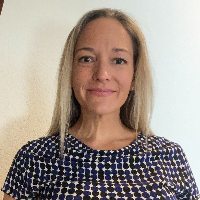
Lakeisha Riley
LCSW, CSW
Licensed Clinical Social Worker - Stress and Trauma
- Stress, Anxiety
- Trauma and abuse
- Self esteem
A directory of US therapists who hold an LCSW license
In crisis? Call or text 988LCSW license holders
128 clinical social workers in this directory are licensed in Colorado. Sessions are online, but a license covers one state, so check the license card on each profile if you will be somewhere else during sessions.
Welcome to our Colorado directory of licensed clinical social workers who provide online therapy. Every profile here represents a clinician who holds an LCSW license issued by a state board. Explore the listings to review credentials, approaches, languages, and experience.
LCSW, CSW
Licensed Clinical Social Worker - Stress and Trauma
LCSW, CSW
Licensed Clinical Social Worker - mood and trauma
LCSW, CSW
Licensed Clinical Social Worker - Addiction and Trauma
LCSW, CSW
Licensed Clinical Social Worker - stress and addiction
LCSW
Licensed clinical social worker - mood and trauma
LCSW, LISW
Licensed Clinical Social Worker - Women's mental health
LCSW, CSW
Licensed Clinical Social Worker - Mood and trauma
LCSW, CSW
Licensed Clinical Social Worker - Anxiety and Trauma
LCSW
Licensed Clinical Social Worker - Stress and Trauma
LCSW, CSW
Licensed Clinical Social Worker - Addictions and Trauma
LCSW, CSW
Licensed Clinical Social Worker - Stress and Addictions
LCSW
Licensed Clinical Social Worker - Trauma and LGBTQ support
LCSW, CSW
Licensed Clinical Social Worker - Addictions and Mood
LCSW, CSW
Licensed Clinical Social Worker - Stress and Family Concerns
LCSW
Licensed clinical social worker - grief and trauma
LCSW, CSW
Licensed social worker - trauma and stress
LCSW, CSW
Licensed Clinical Social Worker - Stress and Relationships
LCSW, CSW
Licensed Clinical Social Worker - relationships and anxiety
LCSW, CSW
Licensed Clinical Social Worker - mood and trauma support
LCSW
Licensed Clinical Social Worker - Trauma and Addictions
LCSW
Licensed Clinical Social Worker - anxiety and life changes
LCSW, CSW
Licensed Clinical Social Worker - Stress and Addictions
LCSW, CSW
Licensed clinical social worker - relationships and trauma
LCSW, CSW
Licensed Clinical Social Worker - Addictions and Mood
LCSW, CSW
Licensed clinical social worker - Stress and trauma
LCSW, CSW
Licensed social worker - relationships and stress
LCSW, CSW
Licensed Clinical Social Worker - relationships and mood
LCSW, CSW
Licensed Clinical Social Worker - Stress and ADHD
LCSW
Licensed Clinical Social Worker - stress and life changes
LCSW, CSW
Licensed Clinical Social Worker - Stress and Relationships
LCSW
Licensed Clinical Social Worker - Stress and Relationships
LCSW, CSW
Licensed Clinical Social Worker - Stress and Anxiety
LCSW, CSW
Licensed social worker - stress and addictions
LCSW, CSW
Licensed clinical social worker - relationships and trauma
LCSW, CSW
Licensed clinical social worker - stress and relationships
LCSW, CSW
Licensed Clinical Social Worker - Relationships and Stress
LCSW, CSW
Licensed Clinical Social Worker - Anxiety and ADHD
LCSW, CSW
Licensed clinical social worker - stress and anxiety
LCSW, CSW
Licensed Clinical Social Worker - Stress and Anxiety
LCSW, CSW
Licensed Clinical Social Worker - Grief and life changes
LCSW, CSW
Licensed Clinical Social Worker - stress and trauma
LCSW, CSW
Licensed Clinical Social Worker - Stress and Relationship Work
LCSW, CSW
Licensed Clinical Social Worker - Grief and Life Adjustments
LCSW
Licensed Clinical Social Worker - Stress and Mood
LCSW, CSW
Licensed clinical social worker - stress and trauma
LCSW, CSW, LIMHP
Licensed Clinical Social Worker - Stress and Mood Concerns
LCSW
Licensed Clinical Social Worker - relationships and anxiety
LCSW, CSW
Licensed clinical social worker - adult issues
Some links on this page are partner links. We will earn a commission if you sign up through one, at no cost to you. It does not change what you pay or the order of the listings.
If you are looking for online therapy with an LCSW in Colorado, you are tapping into a network of clinicians who hold the licensed clinical social worker credential and work with clients via video and phone sessions. An LCSW holds a master’s degree in social work, has completed a state-set period of supervised post-graduate clinical experience - commonly around two to three years and several thousand hours though this varies by state - and has passed a clinical licensing examination. Licenses are issued and renewed by state regulatory boards, which is why it matters that the clinicians in this directory list an LCSW on their public profiles.
Online practice has become a routine option in many parts of Colorado, from the Denver metro area to mountain towns and rural plains. Online sessions can bridge geographic distance, reduce travel time, and provide continuity when life circumstances change. Because the LCSW credential focuses on a person-in-environment perspective, many clinicians who hold that license integrate attention to your housing, work situation, family dynamics, financial stresses, and community context along with your internal experience when offering counseling online.
Online therapy with an LCSW can offer practical advantages if you live in Colorado. You can participate from your home, a parked car between obligations, or another quiet place, which reduces commute time and makes it easier to fit sessions into a busy schedule. For people in mountain communities or remote areas, online therapy can create access to clinicians who would otherwise be several hours away. Because LCSWs are trained to look at environmental factors that affect well-being, remote sessions can still address context - for example, how housing instability, job stress, or access to local services plays into what you're coping with.
Using video or phone sessions also lets you keep continuity during life transitions, such as moving within the state or changes in work hours. Technology requirements are modest: a device with a camera and microphone, a stable internet connection, and a quiet place where you can focus. You should consider how to create a setting where you can speak openly - for example, using headphones and finding a place where interruptions are minimal. While online therapy can remove some barriers, it does not change the fundamental role of the LCSW: to assess needs within the context of your life and help you develop strategies that fit your situation.
Therapists who hold an LCSW commonly address a wide range of concerns in online sessions. Many people pursue online therapy for anxiety, depression, relationship strain, parenting challenges, grief, work-related stress, and life transitions. Because social work training emphasizes the interaction between person and environment, LCSWs are often sought by people facing challenges tied to housing instability, employment issues, caregiving responsibilities, immigration-related stress, or difficulty navigating community resources.
You may also find LCSWs who list behavioral health concerns such as substance use or trauma among the areas they address. When profiles note particular approaches or interventions, keep in mind that the listing records what a clinician notes about their practice rather than an external certification. If you want to know more about how a clinician works with a particular issue, look at their profile to learn about the populations they have experience with, the languages they speak, and the sorts of settings they have worked in. This can help you understand whether their experience aligns with the life circumstances and concerns you bring to therapy.
Because the LCSW credential is issued by state boards, you can verify a clinician’s license through Colorado’s licensing resources. The state maintains an online license lookup tool where you can search by name or license number to confirm that an LCSW license is active and in good standing. The record will typically show the license issue and expiration dates and may note disciplinary history if there is any. Checking the license record gives you clear, official information about whether a clinician holds the credential they list on their profile.
When you review a license record, pay attention to the exact title used by the state. Licensing terminology and scope of practice vary by state, so the way Colorado records LCSW credentials will determine what a clinician is authorized to do within state lines. If you see any active disciplinary actions or restrictions on a license, the licensing record will describe them. Verifying licensure is a practical step that helps you confirm the basic credential and licensure status of any clinician whose profile you are considering.
Beginning online therapy with an LCSW starts with reflecting on what you hope to address and what kind of working relationship you prefer. Look at profiles to learn about a clinician’s stated focus areas, the populations they list, languages spoken, and the public description of their approach. Because the directory records only that a clinician holds an LCSW, you may also want to read how they describe their perspective on clinical work - for example, whether they emphasize family systems, community resources, or coping skills - and whether that perspective aligns with your needs.
Practical details matter when choosing a clinician for online therapy. Think about the technical setting you will use for sessions and how you will protect your own privacy during a call by finding a quiet, uninterrupted room. Consider whether you prefer a clinician who notes experience with your particular background or life stage, and whether language concordance matters to you. Comparing clinicians on focus areas, listed approaches, credentials, languages, and experience can help you narrow options. Profiles may also mention professional memberships or additional roles the clinician holds, which can give further context to their background.
During initial outreach you can assess fit by asking questions about how the clinician conceptualizes challenges similar to yours, what a typical session looks like, and how they integrate attention to environmental factors like housing, work, or community supports into their clinical work. If a clinician's profile lists specific approaches, remember that the profile reflects how they describe their practice; it does not substitute for asking about experience and methods in conversation. A good match often depends on the relationship you can build, the clinician’s experience with issues similar to yours, and practical matters such as language and the technical format of sessions.
Keep in mind that practice across state lines is governed by licensing rules. LCSW licenses are issued by state boards and may limit where a clinician may practice. If you spend significant time outside Colorado or are temporarily located in another state, check licensing guidance about telehealth so you understand whether a clinician can legally provide services where you are. If you are in crisis or facing an urgent safety concern, follow local emergency procedures and contact your local emergency services or crisis lines rather than relying on directory listings.
After you identify a clinician whose profile aligns with your needs, you will typically arrange an initial appointment or consultation through their listed contact method. In that first conversation you can confirm licensure, discuss goals, and learn how they work with people who have concerns like yours. You can also ask about recordkeeping, typical session length, payment methods, and whether they work with healthcare plans or offer sliding scale fees; these are logistical topics that can influence your fit but do not speak to clinical outcomes. Building a working relationship takes time, and many people reassess fit after a few sessions to make sure the clinician’s focus and style meet their needs.
Online therapy with an LCSW in Colorado can be a practical and effective way to get support that pays attention to both your internal experience and the life circumstances around you. By verifying licensure through official state resources, reviewing profiles for experience and language, and considering the technical and environmental details of online sessions, you can make informed choices about who to contact and how to begin. Use the directory listings to learn about clinicians’ credentials and backgrounds, and reach out to start a conversation about whether a particular LCSW is the right fit for your needs.