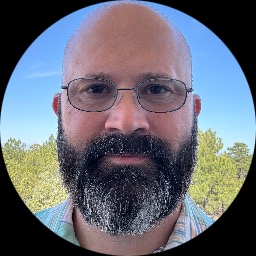
Paul Brunner, LCSW, CSW
Licensed in North Carolina and Colorado 15 years in practice Sessions online
Licensed social worker - trauma and stress
Surnames under B in the A-Z of everyone listed
License on record
LCSW- LCSW, North Carolina
- C007062
- LCSW, Colorado
- CSW.09926354
- NPI
- 1659517837 national provider identifier
- Years in practice
- 15
- Languages
- English
As listed on the therapist's public professional profile. Check any license with the state board and the NPI with the national registry.
About Paul
Licensed Clinical Social Worker in Colorado and North Carolina with 15 years of experience, Paul Brunner focuses on stress, anxiety, trauma and abuse, anger, depression, compassion fatigue, LGBT concerns, family issues, sleep problems, self-esteem, career, bipolar disorder, and ADHD. He identifies additional focus areas including substance use, domestic violence, eating-related issues, and first responder concerns.
Paul speaks English and draws on long-term work with military populations in his practice. Paul began his career in the Army in 1999 as a mental health technician.
Background and approach
He completed a Master of Social Work while enlisted and later served as an active duty social worker and Army officer. His background includes many years providing trauma-focused care and substance abuse treatment for veterans. In practice he uses concrete, skills-based approaches to help people manage symptoms and handle stressful situations.
He integrates Cognitive Behavioral Therapy, Dialectical Behavior Therapy, Eye Movement Desensitization and Reprocessing, and mindfulness methods depending on the concern. He also uses motivational interviewing when people are weighing change. Paul has worked specifically with victims of domestic and sexual violence and with those recovering from traumatic events.
He offers treatments aimed at reducing distress and improving day-to-day functioning. Sessions emphasize practical coping tools, communication strategies, and ways to manage sleep, anger, or substance-related issues. People who choose him can expect a direct, experience-informed approach grounded in social work practice.
He maintains licensure as an LCSW and CSW and draws on clinical work with military and civilian populations to shape treatment plans. For next steps, readers should confirm current session options before booking.
Focus areas and approaches
Everything Paul lists on their public professional profile, in their own terms.
- Stress, Anxiety
- Trauma and abuse
- Anger management
- Depression
- Compassion fatigue
- LGBT
- Family conflicts
- Sleeping disorders
- Self esteem
- Career difficulties
- Bipolar disorder
- ADHD
- Body image
- Communication problems
- Control issues
- Coping with natural or human-caused disaster
- Divorce and separation
- Domestic violence
- Drug and alcohol addiction
- Eating and food-related issues
- Family of origin issues
- First responder issues
- Guilt and shame
- Impulsivity
- Isolation / loneliness
- Men's issues
- Midlife crisis
- Veteran and Armed Forces Issues
- Mood disorders
- Obsessions, compulsions, and OCD
- Panic disorder and panic attacks
- Personality disorders
- Phobias
- Post-traumatic stress
- Self-harm
- Sexual assault and abuse
- Social anxiety and phobia
- Workplace issues
Approaches Paul names
- Cognitive Behavioral Therapy (CBT)
- Dialectical Behavior Therapy (DBT)
- Eye Movement Desensitization and Reprocessing (EMDR)
- Mindfulness Therapy
- Motivational Interviewing
- Solution-Focused Therapy
- Trauma-Focused Therapy
Naming an approach is not evidence of training in it. This directory copies what each therapist lists and does not check training records.
How his approaches translate to online care
Paul commonly uses Cognitive Behavioral Therapy and Eye Movement Desensitization and Reprocessing in clinical work. CBT focuses on identifying unhelpful thoughts and testing them with clear behavioral experiments and homework, which helps with anxiety, depression, and sleep problems. EMDR involves structured processing of traumatic memories using bilateral stimulation and guided recall to reduce distress tied to those memories.He also draws on Dialectical Behavior Therapy skills and mindfulness practices to teach emotional regulation, distress tolerance, and present-moment awareness. Those methods aim to reduce impulsivity, manage anger, and improve coping under stress. Deciding which approach to use is collaborative; the therapist will work with each person to match methods to goals, needs, and preferences.
The original biography does not list specific online session formats, so confirm current options before booking. Online work can make it easier to fit sessions into a day, allow shorter check-ins if needed, and let people use tools such as guided mindfulness exercises or homework between meetings. Licensed professionals adapt these evidence-based methods to the constraints and opportunities of remote care and help plan a practical schedule that fits everyday life.
We will earn a commission if you sign up through our link, at no cost to you. It does not change what you pay or the order of the listings.
Questions about Paul
What kinds of problems does he address most often?
He commonly works with stress, anxiety, trauma and abuse, anger, depression, compassion fatigue, sleep problems, self-esteem, career concerns, bipolar disorder, and ADHD. Additional focuses include substance use, domestic violence, eating-related issues, and first responder concerns.
What is his general therapeutic style?
He uses practical, skills-based approaches such as Cognitive Behavioral Therapy, Dialectical Behavior Therapy, EMDR, mindfulness methods, and motivational interviewing. Therapy emphasizes concrete coping tools and behavior change strategies.
How much clinical experience does he have?
Paul has 15 years of experience working in mental health, including many years serving military populations as a mental health technician, active duty social worker, and Army officer.
What credentials and region are listed?
He holds LCSW and CSW credentials and is licensed in Colorado and North Carolina. His practice is based in Colorado.
Which languages are offered and can international clients work together?
Sessions are offered in English. He does not accept international clients at this time.
What session formats are available?
The original biography does not specify session formats. Confirm current session options with the provider before booking to learn how sessions are conducted.
How does pricing work?
Cost varies with location and sessions use a subscription model that can be canceled at any time. Contact the service to learn current pricing details.
How do I begin working with him?
Use the See online therapy options button, complete the short matching questionnaire, and schedule a first session. That process initiates the intake and scheduling steps.
Before you start. This directory copies what each therapist lists and does not check licenses, training or availability. Confirm the license with the state board for the state you will be in during sessions.
If you are in crisis, call or text 988. In immediate danger, call 911.
Others licensed in Colorado
See all in Colorado
Lakeisha Riley
LCSW, CSW
Licensed Clinical Social Worker - Stress and Trauma
- Stress, Anxiety
- Trauma and abuse
- Self esteem

Charlene Samuels
LCSW, CSW
Licensed Clinical Social Worker - mood and trauma
- Stress, Anxiety
- Trauma and abuse
- Self esteem
Nachshon Zohari
LCSW, CSW
Licensed Clinical Social Worker - Addiction and Trauma
- Stress, Anxiety
- Addictions
- Trauma and abuse
Heidi Reichhold-Caruso
LCSW, CSW
Licensed Clinical Social Worker - stress and addiction
- Stress, Anxiety
- Addictions
- Trauma and abuse
Is this your profile?
Ask us to correct a detail or take the page down.
Contact us