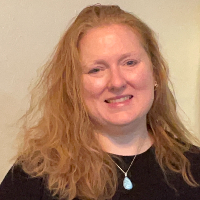
Catherine Barbour, LCSW
Licensed in Florida 4 years in practice Sessions online
Licensed Clinical Social Worker - Stress and Mood
Surnames under B in the A-Z of everyone listed
License on record
LCSW- LCSW, Florida
- SW10227
- NPI
- 1063722569 national provider identifier
- Years in practice
- 4
- Languages
- English
As listed on the therapist's public professional profile. Check any license with the state board and the NPI with the national registry.
About Catherine
Licensed Clinical Social Worker in Florida with four years of experience, Catherine Barbour helps people facing stress, anxiety, family issues, anger, self-esteem concerns, depression, addictions, trauma and abuse, grief, parenting challenges, bipolar disorder, coping with life changes, compassion fatigue, and ADHD. She also focuses on blended family issues, caregiver stress, chronic illness and pain, communication problems, and end-of-life concerns.
Catherine works with adults and adolescents in plain, practical ways that address immediate problems and daily functioning.
Background and approach
Catherine earned a BA from Emory University and an MSW from the University of Central Florida. Her work history includes an outdoor therapeutic program for teens, in-home counseling, and medical social work in a hospital system. Those roles shaped a pragmatic approach to common life stresses and medical-related emotional needs.
She uses Client-Centered techniques to listen and reflect what matters to each person. She applies Cognitive Behavioral Therapy to identify thinking patterns that affect mood and behavior. Solution-Focused Therapy is part of her work when people want short-term, goal-oriented steps.
Catherine also integrates trauma-focused methods when past harms affect current functioning. Her style emphasizes strengths and small changes people can try between sessions. She prefers clear goals and measurable steps for problems like panic, mood shifts, grief, and substance concerns.
Sessions look to improve daily coping, communication, and problem-solving. Catherine explains options and helps people choose practical next steps, whether that means skill practice, planning, or connecting to other supports. Her practice aims to reduce immediate distress and make everyday life easier to manage.
Focus areas and approaches
Everything Catherine lists on their public professional profile, in their own terms.
- Stress, Anxiety
- Family conflicts
- Anger management
- Self esteem
- Depression
- Addictions
- Trauma and abuse
- Grief
- Parenting issues
- Bipolar disorder
- Coping with life changes
- Compassion fatigue
- ADHD
- Blended family issues
- Caregiver issues and stress
- Chronic pain, illness, and disability
- Communication problems
- Coping with natural or human-caused disaster
- Emptiness
- Family problems
- Forgiveness
- Guilt and shame
- Hospice and end-of-life counseling
- Isolation / loneliness
- Life purpose
- Mood disorders
- Panic disorder and panic attacks
- Self-love
- Social anxiety and phobia
- Young adult issues
Approaches Catherine names
- Client-Centered Therapy
- Cognitive Behavioral Therapy (CBT)
- Existential Therapy
- Solution-Focused Therapy
- Trauma-Focused Therapy
Naming an approach is not evidence of training in it. This directory copies what each therapist lists and does not check training records.
How her approaches translate to online work
Client-Centered Therapy focuses on listening and reflecting what matters to the client. Online sessions using this approach let the therapist ask questions, mirror concerns, and help clients clarify priorities and next steps. Cognitive Behavioral Therapy (CBT) teaches practical skills to change unhelpful thoughts and behaviors. In online sessions CBT can include homework, thought records, and behavioral experiments that people try between meetings.Choosing an approach is part of the work together. The therapist will talk through goals and preferences, and recommend one or a combination of methods based on what the client needs. The process is collaborative and can shift if something does not feel useful.
The biography does not list specific session formats, so confirm current options before booking. Many people find online sessions helpful because they can fit meetings around work, caregiving, or medical appointments. Online work can make it easier to do short check-ins, practice skills between sessions, and reduce travel time. Licensed professionals can adapt Client-Centered and CBT tools to this setting while focusing on practical steps to reduce stress and improve daily functioning.
We will earn a commission if you sign up through our link, at no cost to you. It does not change what you pay or the order of the listings.
Questions about Catherine
What issues does she address most often?
She works with stress, anxiety, depression, mood disorders, trauma, grief, addictions, parenting and related family communication problems.
What is her general therapy style?
She uses a mix of Client-Centered listening, Cognitive Behavioral techniques, Solution-Focused steps, and trauma-informed approaches to solve current problems.
How long has she been practicing?
She has four years of experience in clinical social work settings including in-home counseling and hospital-based medical social work.
What are her credentials and where is she based?
She is a Licensed Clinical Social Worker (LCSW) licensed in Florida and practices from that state.
Which languages are used in sessions?
Sessions are offered in English.
Does she work with international clients?
International clients are not currently accepted.
What formats are available for sessions?
Please confirm current session formats before booking, as the biography does not specify which formats are offered.
How are fees and scheduling handled?
Cost varies with location and sessions use a subscription that can be canceled at any time. To begin, complete the short matching questionnaire and schedule a first session.
Before you start. This directory copies what each therapist lists and does not check licenses, training or availability. Confirm the license with the state board for the state you will be in during sessions.
If you are in crisis, call or text 988. In immediate danger, call 911.
Others licensed in Florida
See all in Florida
Victoria Echeverry Navia
LCSW
Licensed Clinical Social Worker - Relationships and Stress
- Stress, Anxiety
- Relationship
- Family

Karina Flores
LCSW
Licensed Clinical Social Worker - Stress and Relationships
- Stress, Anxiety
- Relationship
- Self esteem

Matthew Mulock
LCSW
Licensed Clinical Social Worker - Anxiety and Trauma
- Stress, Anxiety
- Addictions
- Trauma and abuse
Suzanne Brabant
LCSW
Licensed Clinical Social Worker - Stress and Anxiety
- Stress, Anxiety
- Depression
- Coping with life changes
Is this your profile?
Ask us to correct a detail or take the page down.
Contact us