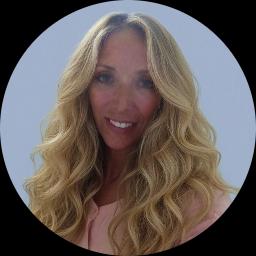
Mary Kay Schultz, LCSW
Licensed in Missouri and New Jersey 20 years in practice Sessions online
Licensed Clinical Social Worker - Stress and Trauma
Surnames under S in the A-Z of everyone listed
License on record
LCSW- LCSW, Missouri
- 2014029933
- LCSW, New Jersey
- 44SC05564900
- NPI
- 1649419359 national provider identifier
- Years in practice
- 20
- Languages
- English
As listed on the therapist's public professional profile. Check any license with the state board and the NPI with the national registry.
About Mary
Licensed Clinical Social Worker, licensed in New Jersey and Missouri, with 20 years of experience, Mary Kay Schultz helps people with stress, anxiety, addictions, trauma and abuse, depression, and coping with life changes. Mary Kay writes that she uses evidence-based therapy and practical supports. She prefers a steady, down-to-earth style and aims for sessions that feel collaborative rather than overly clinical.
She also notes use of family and school-based skills, 12-step support when addiction is involved, and biblical counseling on request.
Background and approach
Her background spans schools, hospitals, emergency rooms, inpatient and outpatient programs, and community crisis work. She has experience building programs, supervising students and staff, and training youth volunteers for a suicide hotline. Those roles informed how rapidly situations can change and how to respond in practical ways.
Mary Kay describes staying with difficult, system-related problems until a clearer path emerges. She specifically notes working with people who feel dismissed by systems like healthcare, housing, or the justice system. Her approach focuses on identifying concrete next steps and supports to reduce immediate strain.
She offers telehealth services and is licensed in Missouri and New Jersey. Sessions can include practical skills, coordination with other supports, and use of mutual-help resources when relevant. To start, the site process asks prospective clients to complete a short questionnaire and schedule an initial session.
Focus areas and approaches
Everything Mary lists on their public professional profile, in their own terms.
- Stress, Anxiety
- Addictions
- Trauma and abuse
- Depression
- Coping with life changes
- Abandonment
- Aging and geriatric issues
- Attachment issues
- Autism and Asperger Syndrome
- Avoidant personality
- Blended family issues
- Body image
- Cancer
- Caregiver issues and stress
- Chronic pain, illness, and disability
- Co-morbidity
- Codependency
- Commitment issues
- Communication problems
- Control issues
- Coping with natural or human-caused disaster
- Dependent personality
- Disruptive Mood Dysregulation Disorder (DMDD)
- Divorce and separation
- Domestic violence
- Drug and alcohol addiction
- Eating and food-related issues
- Emptiness
- Family of origin issues
- Family problems
- Fatherhood issues
- Fertility issues
- First responder issues
- Forgiveness
- Guilt and shame
- Hoarding
- Impulsivity
- Infidelity
- Isolation / loneliness
- Jealousy
- Life purpose
- Midlife crisis
- Veteran and Armed Forces Issues
- Mood disorders
- Narcissism
- Obsessions, compulsions, and OCD
- Panic disorder and panic attacks
- Paranoia
- Personality disorders
- Phobias
- Postpartum depression
- Post-traumatic stress
- Process addiction (porn, exercise, gambling)
- Seasonal Affective Disorder (SAD)
- Self-harm
- Self-love
- Sex addiction
- Sexual assault and abuse
- Smoking / vaping cessation
- Social anxiety and phobia
- Traumatic brain injury
- Trichotillomania
- Women's issues
- Workplace issues
- Young adult issues
How evidence-based methods translate to remote sessions
Mary Kay notes use of evidence-based therapeutic techniques and practical supports. Common evidence-based methods focus on changing patterns of thinking and behavior. For example, cognitive-behavioral approaches break problems into manageable steps and teach skills to reduce anxiety or depressive symptoms. Motivational and relapse-prevention strategies emphasize building routines and supports that help manage addictive behaviors and prevent setbacks.Choosing the right approach is collaborative. A therapist will ask about current concerns, goals, and preferences, and then suggest methods to try. Sessions can be adjusted over time based on what helps most, and the process includes checking in about how a technique feels for the person using it.
Telehealth is described in the biography, but specific session modes are not listed here. Before booking, confirm which online formats are offered. Practical benefits of remote sessions include fitting appointments into a busy day, shorter check-ins when helpful, and options that reduce travel. Remote work also makes it easier to coordinate with other supports or to join sessions from different locations when needed.
We will earn a commission if you sign up through our link, at no cost to you. It does not change what you pay or the order of the listings.
Questions about Mary
What concerns does she address most often?
She focuses on stress, anxiety, addictions, trauma and abuse, depression, and coping with life changes along with related issues such as abandonment and caregiver stress.
What is her general approach in sessions?
She uses practical, evidence-based techniques and client-centered work. Sessions emphasize concrete skills, coordination with supports, and approaches that fit the person's goals.
How much clinical experience does she have?
She has 20 years of experience across schools, hospitals, emergency rooms, inpatient and outpatient programs, and community crisis work.
Which credentials and locations are listed?
She holds the LCSW credential and is licensed in New Jersey and Missouri. Her profile lists Missouri as her practice location.
In what language are sessions offered?
Sessions are offered in English and international clients are accepted.
What session formats are available?
The biography notes telehealth services. Confirm current session format options before booking to ensure they meet your needs.
How are fees and payments handled?
Cost varies with location, and sessions use a subscription that can be canceled at any time.
What are the first steps to begin working together?
Select the See online therapy options button, complete a short matching questionnaire, and schedule a first session.
Before you start. This directory copies what each therapist lists and does not check licenses, training or availability. Confirm the license with the state board for the state you will be in during sessions.
If you are in crisis, call or text 988. In immediate danger, call 911.
Others licensed in Missouri
See all in Missouri

Cana Sluder
LCSW
Licensed Clinical Social Worker - Trauma and relationships
- Stress, Anxiety
- LGBT
- Relationship

Michelle Jackson
LCSW
Licensed Clinical Social Worker - Stress and Trauma
- Stress, Anxiety
- LGBT
- Trauma and abuse
Michael Perkins
LCSW
Licensed Clinical Social Worker - relationships and life changes
- Relationship
- Family
- Parenting
Is this your profile?
Ask us to correct a detail or take the page down.
Contact us