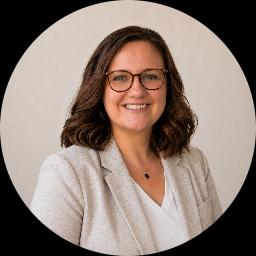
Murphy Hall, LMSW, LCSW
Licensed in 3 states 8 years in practice Sessions online
Licensed Clinical Social Worker - LGBT and Trauma
Surnames under H in the A-Z of everyone listed
License on record
LMSW- LCSW, Indiana
- 34009453A
- LMSW, Michigan
- 6801121938
- LCSW, New Jersey
- 44SC06661700
- NPI
- 1417516790 national provider identifier
- Years in practice
- 8
- Languages
- English
As listed on the therapist's public professional profile. Check any license with the state board and the NPI with the national registry.
About Murphy
Licensed Clinical Social Worker in Indiana, with eight years of experience, Murphy Hall helps adults facing anxiety, depression, relationship struggles, trauma and identity questions. She works with people navigating LGBT issues, gender dysphoria, and the effects of minority stress. Her practice also addresses stress, coping with life changes, and concerns such as body image, codependency, and midlife crisis.
Murphy names trauma and abuse as core areas of her work. She helps people process painful experiences and improve emotion regulation.
Background and approach
She also supports people dealing with HIV/AIDS related concerns, infidelity, jealousy, and the fallout from divorce or separation. Her approach draws on concrete, evidence-based methods. She uses Cognitive Behavioral Therapy to identify unhelpful thinking patterns and develop alternative behaviors.
Dialectical Behavior Therapy is used for learning emotion regulation and distress tolerance skills. Acceptance and Commitment Therapy and mindfulness practices help people clarify values and reduce avoidance. Murphy describes her work as progressive and identity-affirming.
She aims to build a collaborative relationship where clients are treated with respect and curiosity. She uses flexible methods that match a person’s goals, strengths, and readiness to change. She holds both an LMSW and an LCSW and practices in Indiana.
Sessions and goals are practical and focused on what clients want to change in daily life. To begin, readers are encouraged to follow the site’s booking flow and complete the initial matching steps.
Focus areas and approaches
Everything Murphy lists on their public professional profile, in their own terms.
- LGBT
- Trauma and abuse
- Stress, Anxiety
- Relationship issues
- Depression
- Coping with life changes
- Abandonment
- BDSM, kink, and alternative sex culture
- Body image
- Codependency
- Commitment issues
- Communication problems
- Control issues
- Divorce and separation
- Family problems
- Gender dysphoria
- Guilt and shame
- HIV / AIDS
- Infidelity
- Jealousy
- Midlife crisis
- Mood disorders
- Obsessions, compulsions, and OCD
- Personality disorders
- Polyamory / non-monogamous relationships
- Post-traumatic stress
- Prejudice and discrimination
- Seasonal Affective Disorder (SAD)
- Self-love
- Sexuality
- Social anxiety and phobia
- Women's issues
- Workplace issues
Approaches Murphy names
- Acceptance and Commitment Therapy (ACT)
- Cognitive Behavioral Therapy (CBT)
- Dialectical Behavior Therapy (DBT)
- Emotionally-Focused Therapy (EFT)
- Mindfulness Therapy
- Motivational Interviewing
- Solution-Focused Therapy
- Trauma-Focused Therapy
Naming an approach is not evidence of training in it. This directory copies what each therapist lists and does not check training records.
How her approaches translate to online work
Murphy commonly uses Cognitive Behavioral Therapy to help people notice thinking patterns and test new behaviors. CBT sessions often include homework and short exercises people can try between meetings to track changes.She also uses Dialectical Behavior Therapy to teach concrete skills for emotion regulation, distress tolerance, and interpersonal effectiveness. DBT in sessions focuses on practicing skills, building a routine, and tracking progress over weeks.
Acceptance and Commitment Therapy and mindfulness practices are used to clarify values and reduce avoidance. These approaches involve brief exercises in awareness and actions that align with what matters to the client.
Murphy approaches choosing a method as a collaborative effort. She will work with each person to identify goals, strengths, and what they feel ready to try. Together they adjust methods if something isn’t working or if needs change.
Confirm current session formats before booking, since the biography does not list specific options. Ask about the available formats when scheduling. Online work can make it easier to fit sessions into busy days, reduce travel time, and allow shorter check-ins when needed. It also lets people use approaches like CBT, DBT, and ACT without changing how the therapies work.
We will earn a commission if you sign up through our link, at no cost to you. It does not change what you pay or the order of the listings.
Questions about Murphy
What concerns does Murphy help with most often?
She works with adults on LGBT identity, trauma and abuse, anxiety, depression, relationship issues, stress, and coping with life changes.
What therapeutic style does she use?
Her practice uses evidence-based approaches such as Cognitive Behavioral Therapy, Dialectical Behavior Therapy, Acceptance and Commitment Therapy, Emotionally-Focused Therapy, mindfulness, and motivational interviewing.
How much clinical experience does she have?
Murphy has eight years of clinical experience working with adults on identity, emotion regulation, and trauma-related concerns.
Where is she licensed to practice?
She holds an LMSW and an LCSW and practices in Indiana.
Which languages are offered for sessions?
Sessions are offered in English.
Can international clients work with her?
She is not currently accepting international clients.
How are sessions paid for?
Cost varies with location; sessions use a subscription model that can be canceled at any time.
How do I get started with Murphy?
Use the See online therapy options button, complete the short matching questionnaire, and schedule your first session.
Before you start. This directory copies what each therapist lists and does not check licenses, training or availability. Confirm the license with the state board for the state you will be in during sessions.
If you are in crisis, call or text 988. In immediate danger, call 911.
Others licensed in Indiana
See all in Indiana
Magdalena Hernandez
LCSW
Licensed Clinical Social Worker - mood and relationships
- Stress, Anxiety
- Relationship
- Grief

Jessica VanBuren Curtis
LCSW
Licensed Clinical Social Worker - Grief and life change
- Grief
- Coping with life changes

Mary Pruett
LCSW
Licensed Clinical Social Worker - Stress and Addictions
- Stress, Anxiety
- Addictions
- Family

Lori Truesdell
LCSW
Licensed Clinical Social Worker - Anxiety and Depression
- Stress, Anxiety
- Grief
- Self esteem
Is this your profile?
Ask us to correct a detail or take the page down.
Contact us