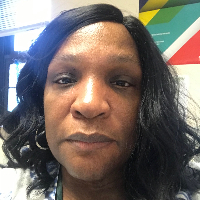
Paula Odom, LCSW
Licensed in New York 6 years in practice Sessions online
Licensed Clinical Social Worker - Stress and Trauma
Surnames under O in the A-Z of everyone listed
License on record
LCSW- LCSW, New York
- R072264-1
- NPI
- 1275810012 national provider identifier
- Years in practice
- 6
- Languages
- English
As listed on the therapist's public professional profile. Check any license with the state board and the NPI with the national registry.
About Paula
Licensed Clinical Social Worker in New York with six years of clinical experience, Paula Odom helps people address stress, anxiety, family concerns, trauma and abuse, parenting challenges, and related issues. She works with matters such as addiction, grief, self-esteem, relationship and intimacy concerns, career difficulties, bipolar and depression, and compassion fatigue.
Paula lists additional focus areas that include adoption and foster care, attachment issues, blended family dynamics, caregiver stress, communication problems, domestic violence, and multicultural and discrimination-related concerns.
Background and approach
Paula uses a client-centered approach that keeps conversations focused on the person's goals. She blends cognitive behavioral techniques with dialectical behavior strategies and motivational interviewing to address unhelpful thoughts, strong emotions, and patterns that interfere with daily life. Mindfulness practices are used to help people notice their reactions and build more moment-to-moment control.
In sessions she encourages practical skill building. That can mean rehearsing communication steps, practicing emotion regulation tools, or setting small, measurable goals between meetings. She also addresses how identity and experiences of prejudice can affect stress and relationships, and she works to make those topics part of the plan.
Paula draws on experience in New York settings and with diverse backgrounds. Her approach is conversational and task-focused, with an emphasis on the next concrete step. She expects clients to take an active role in shaping goals and deciding which strategies to try.
To begin, people are asked to complete a short matching questionnaire and then schedule a first session. Costs vary by location and sessions use a subscription that can be canceled at any time.
Focus areas and approaches
Everything Paula lists on their public professional profile, in their own terms.
- Stress, Anxiety
- Family conflicts
- Trauma and abuse
- Parenting issues
- Coping with life changes
- Addictions
- LGBT
- Relationship issues
- Grief
- Intimacy-related issues
- Anger management
- Self esteem
- Career difficulties
- Bipolar disorder
- Depression
- Coaching
- Compassion fatigue
- Adoption and foster care
- Attachment issues
- Blended family issues
- Caregiver issues and stress
- Communication problems
- Domestic violence
- Multicultural concerns
- Prejudice and discrimination
Approaches Paula names
- Client-Centered Therapy
- Cognitive Behavioral Therapy (CBT)
- Dialectical Behavior Therapy (DBT)
- Mindfulness Therapy
- Motivational Interviewing
- Solution-Focused Therapy
- Trauma-Focused Therapy
Naming an approach is not evidence of training in it. This directory copies what each therapist lists and does not check training records.
How her approaches translate to online work
Client-centered therapy focuses on listening and following the client's goals. In practice this means the therapist asks about what matters most, reflects what she hears, and helps set priorities for change. People use this approach when they want practical help with relationships, parenting, or life transitions.Cognitive Behavioral Therapy (CBT) looks at the link between thoughts, feelings, and actions. Sessions often include identifying unhelpful thoughts, testing them, and practicing alternative responses. CBT is commonly used for anxiety, depression, and coping with stressful situations.
Dialectical Behavior Therapy (DBT) offers concrete emotion regulation and distress-tolerance skills. It teaches step-by-step ways to manage strong emotions and improve communication when conflicts arise.
Paula will work collaboratively to choose which methods to try first. She reviews goals, discusses options, and adjusts the plan based on what helps most. Finding the right mix of techniques is treated as an ongoing conversation between the client and therapist.
Confirm the current session formats before booking, as the biography does not specify them. Practical benefits of online sessions include fitting appointments into a busy schedule, shorter check-ins when time is limited, and the option to use audio-only when video is difficult. These factors can make it easier to keep therapy consistent alongside work, caregiving, or other commitments.
We will earn a commission if you sign up through our link, at no cost to you. It does not change what you pay or the order of the listings.
Questions about Paula
What concerns does she commonly address?
She works with stress, anxiety, depression, trauma and abuse, parenting issues, relationship and intimacy concerns, grief, addiction, and related areas listed in her profile.
What is her therapeutic style?
She practices a client-centered approach and uses CBT, DBT, mindfulness, and motivational interviewing to help people learn skills and make practical changes.
How much clinical experience does she have?
She has six years of experience as a Licensed Clinical Social Worker in the field.
Where is she licensed and based?
She is licensed as an LCSW in New York and works with people who are connected to that practice location.
In which languages can sessions be held?
Sessions are offered in English.
Does she work with international clients?
She accepts international clients; confirm any cross-border details when setting up sessions.
How does her pricing work?
Costs vary by location and sessions use a subscription model that can be canceled at any time.
How do I begin a first session?
To start, select the See online therapy options button, complete a short matching questionnaire, and schedule a first session.
Before you start. This directory copies what each therapist lists and does not check licenses, training or availability. Confirm the license with the state board for the state you will be in during sessions.
If you are in crisis, call or text 988. In immediate danger, call 911.
Others licensed in New York
See all in New York
Kenton Curtis
LCSW
Licensed Clinical Social Worker - relationships and LGBT issues
- LGBT
- Relationship
- Family

Asma Alqahtani
LCSW
Licensed Clinical Social Worker - Stress and relationships
- Stress, Anxiety
- Relationship
- Self esteem

Malikah Z Shaheed
LCSW
Licensed Clinical Social Worker - Trauma and Addictions
- Addictions
- Family
- Trauma and abuse
Amannda Walworth
LCSW
Licensed Clinical Social Worker - Stress and Trauma
- Stress, Anxiety
- Family
- Trauma and abuse
Is this your profile?
Ask us to correct a detail or take the page down.
Contact us