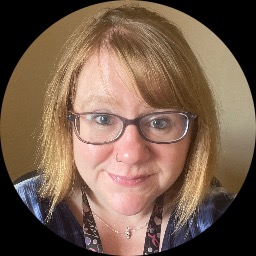
Sarah Bishop, LCSW
Licensed in New York 7 years in practice Sessions online
Licensed Clinical Social Worker - Addictions and Trauma
Surnames under B in the A-Z of everyone listed
License on record
LCSW- LCSW, New York
- 090852
- NPI
- 1679151989 national provider identifier
- Years in practice
- 7
- Languages
- English
As listed on the therapist's public professional profile. Check any license with the state board and the NPI with the national registry.
About Sarah
Licensed Clinical Social Worker, New York. 7 years of experience. Sarah Bishop helps with addictions, trauma and abuse, career challenges, and coping with life changes among other concerns. Sarah works directly with stress, anxiety, depression, bipolar mood patterns, and issues tied to relationship and communication.
She also addresses sleep problems, grief, anger, self-esteem, and compassion fatigue. Her practice includes care for people navigating ADHD, substance use, and co-occurring concerns. Her approach is straightforward and practical.
Background and approach
Sessions focus on clear goals and steps people can try between meetings. She uses methods from cognitive behavioral therapy and dialectical behavior therapy to teach skills for managing emotions and behavior. Mindfulness techniques are used to build attention and reduce reactivity.
Sarah draws from client-centered and solution-focused work to keep the conversation grounded in what matters to the individual. That means listening for priorities, testing small changes, and adjusting plans as progress is made. She also works with issues related to kink and alternative sexual culture, gender dysphoria, HIV/AIDS, end-of-life support, and cancer when these come up in therapy.
Sarah holds the LCSW credential in New York. She frames therapy as a practical collaboration: setting clear goals, tracking small steps, and revising the plan when needed. To begin, people complete a short questionnaire and schedule an initial session to see how the fit feels.
Focus areas and approaches
Everything Sarah lists on their public professional profile, in their own terms.
- Addictions
- Trauma and abuse
- Career difficulties
- Coping with life changes
- Compassion fatigue
- Stress, Anxiety
- LGBT
- Relationship issues
- Family conflicts
- Grief
- Sleeping disorders
- Anger management
- Self esteem
- Bipolar disorder
- Depression
- Coaching
- ADHD
- BDSM, kink, and alternative sex culture
- Cancer
- Co-morbidity
- Codependency
- Communication problems
- Coping with natural or human-caused disaster
- Dependent personality
- Disruptive Mood Dysregulation Disorder (DMDD)
- Dissociation
- Domestic violence
- Drug and alcohol addiction
- Gender dysphoria
- HIV / AIDS
- Hospice and end-of-life counseling
- Infidelity
- Life purpose
- Midlife crisis
- Mood disorders
- Multicultural concerns
- Obsessions, compulsions, and OCD
- Panic disorder and panic attacks
- Paranoia
- Personality disorders
- Polyamory / non-monogamous relationships
- Post-traumatic stress
- Prejudice and discrimination
- Process addiction (porn, exercise, gambling)
- Seasonal Affective Disorder (SAD)
- Self-harm
- Sexual assault and abuse
- Sexual dysfunction
- Sexuality
- Women's issues
- Workplace issues
Approaches Sarah names
- Client-Centered Therapy
- Cognitive Behavioral Therapy (CBT)
- Dialectical Behavior Therapy (DBT)
- Mindfulness Therapy
- Solution-Focused Therapy
- Trauma-Focused Therapy
Naming an approach is not evidence of training in it. This directory copies what each therapist lists and does not check training records.
How Sarah uses therapeutic approaches in online sessions
Client-centered work focuses on listening and reflecting the person’s priorities. It helps people clarify what matters most and set practical goals for change.Cognitive Behavioral Therapy, or CBT, looks at how thoughts and actions affect mood. In sessions this means spotting patterns, testing new behaviors, and using simple exercises to reduce anxiety or depression symptoms.
Dialectical Behavior Therapy, or DBT, teaches skills for managing intense emotions and improving interpersonal effectiveness. It is often used when strong mood swings, anger, or relationship problems are present.
Choosing an approach is collaborative. The therapist will review needs, goals, and preferences together and adjust methods as work progresses. That process helps match skills and plans to what the person wants to change.
Confirm the session formats available before booking, as the biography does not list specific options. Online work can make it easier to fit therapy into a busy schedule, reduce travel time, and allow shorter check-ins when needed. Talk with the therapist during the first session about how to structure meetings to fit daily life and responsibilities.
We will earn a commission if you sign up through our link, at no cost to you. It does not change what you pay or the order of the listings.
Questions about Sarah
What concerns does she address most often?
She works with addictions, trauma and abuse, career problems, and coping with life changes. Other areas include anxiety, depression, sleep issues, and relationship and communication problems.
What is her general therapy style?
She uses a practical, goal-focused approach that combines listening with skill teaching. Sessions often include step-by-step plans and exercises to try between meetings.
How much experience does she have?
She has seven years of professional experience and holds an LCSW credential issued in New York.
Where is she licensed and based?
Sarah is licensed as an LCSW in New York and practices from that state.
Which languages are offered?
Sessions are offered in English.
Can people outside the US work with her?
International clients are not currently accepted.
How are sessions priced?
Cost varies by location and sessions use a subscription model that can be canceled at any time.
What are the first steps to start?
Use the site button labeled See online therapy options, complete a short matching questionnaire, and schedule a first session.
Before you start. This directory copies what each therapist lists and does not check licenses, training or availability. Confirm the license with the state board for the state you will be in during sessions.
If you are in crisis, call or text 988. In immediate danger, call 911.
Others licensed in New York
See all in New York
Kenton Curtis
LCSW
Licensed Clinical Social Worker - relationships and LGBT issues
- LGBT
- Relationship
- Family

Asma Alqahtani
LCSW
Licensed Clinical Social Worker - Stress and relationships
- Stress, Anxiety
- Relationship
- Self esteem

Malikah Z Shaheed
LCSW
Licensed Clinical Social Worker - Trauma and Addictions
- Addictions
- Family
- Trauma and abuse
Amannda Walworth
LCSW
Licensed Clinical Social Worker - Stress and Trauma
- Stress, Anxiety
- Family
- Trauma and abuse
Is this your profile?
Ask us to correct a detail or take the page down.
Contact us