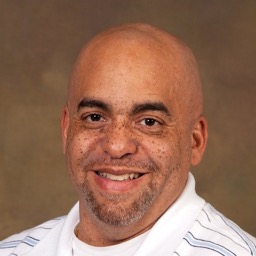
James Slaton, LCSW
Licensed in Tennessee and Kentucky 11 years in practice Sessions online
Licensed Clinical Social Worker - Stress and Trauma
Surnames under S in the A-Z of everyone listed
License on record
LCSW- LCSW, Tennessee
- 7016
- LCSW, Kentucky
- 4020
- NPI
- 1104212521 national provider identifier
- Years in practice
- 11
- Languages
- English
As listed on the therapist's public professional profile. Check any license with the state board and the NPI with the national registry.
About James
Licensed Clinical Social Worker in Kentucky with 11 years of clinical experience, James Slaton helps people manage stress, anxiety, trauma and abuse, anger, self esteem, depression, and addictions. He also addresses relationship and family concerns, intimacy-related issues, sleeping problems, parenting and career stress, ADHD, bipolar concerns, and compassion fatigue.
James began counseling in 2012 working with children and families and became an LCSW in 2015. His background includes work at a state mental hospital, a community mental health crisis unit, and child protective services as both an ongoing worker and an investigator.
Background and approach
That mix of roles informs how he approaches practical problems in therapy. His practice centers on straightforward, solution-focused work rooted in Reality Therapy. He draws on Client-Centered, Cognitive Behavioral, Dialectical Behavior, Emotionally-Focused, and Existential approaches and uses them as fits the situation.
Sessions are aimed at clarifying problems and identifying manageable next steps. James prefers direct language in sessions and avoids judgment or sympathy as a therapeutic tool. He encourages clients to describe what helps them and uses that information to guide interventions.
The focus is on building stamina for coping and on concrete strategies people can use between sessions. People who feel unheard or who want practical, action-oriented counseling often turn to him for help. He asks clients to be honest about goals and limits, then works with them to set realistic plans and monitor progress over time.
Focus areas and approaches
Everything James lists on their public professional profile, in their own terms.
- Stress, Anxiety
- Trauma and abuse
- Anger management
- Self esteem
- Depression
- Addictions
- LGBT
- Relationship issues
- Family conflicts
- Intimacy-related issues
- Sleeping disorders
- Parenting issues
- Career difficulties
- Bipolar disorder
- Coping with life changes
- Coaching
- Compassion fatigue
- ADHD
- Aging and geriatric issues
- Antisocial personality
- Caregiver issues and stress
- Codependency
- Commitment issues
- Control issues
- Coping with natural or human-caused disaster
- Disruptive Mood Dysregulation Disorder (DMDD)
- Dissociation
- Domestic violence
- Drug and alcohol addiction
- Emptiness
- Family problems
- Fatherhood issues
- First responder issues
- Hearing impaired
- Hospice and end-of-life counseling
- Immigration issues
- Jealousy
- Veteran and Armed Forces Issues
- Multicultural concerns
- Narcissism
- Obsessions, compulsions, and OCD
- Postpartum depression
- Prejudice and discrimination
- Process addiction (porn, exercise, gambling)
- Seasonal Affective Disorder (SAD)
- Self-harm
- Sex addiction
- Sexual assault and abuse
- Young adult issues
Approaches James names
- Client-Centered Therapy
- Cognitive Behavioral Therapy (CBT)
- Dialectical Behavior Therapy (DBT)
- Emotionally-Focused Therapy (EFT)
- Existential Therapy
- Eye Movement Desensitization and Reprocessing (EMDR)
- Mindfulness Therapy
- Narrative Therapy
- Psychodynamic Therapy
- Solution-Focused Therapy
- Somatic Therapy
- Trauma-Focused Therapy
Naming an approach is not evidence of training in it. This directory copies what each therapist lists and does not check training records.
Therapeutic approaches and how they fit into online work
Client-Centered Therapy focuses on listening and responding to what the person says, creating room for them to describe goals and preferences. It helps with relationship problems, self esteem, and coping with life changes. Cognitive Behavioral Therapy (CBT) looks at thoughts, feelings, and behaviors and uses practical exercises to test and change unhelpful patterns; it is commonly used for anxiety, depression, and sleep problems. Dialectical Behavior Therapy (DBT) teaches skills for managing intense emotions, reducing conflict, and improving distress tolerance, which can help with anger, substance use, and impulsive behavior.Deciding which approach to use is part of the early work. The therapist will discuss goals, try approaches that fit those goals, and adjust as needed. Clients and the therapist collaborate to pick methods that match the person's needs and preferences.
The practical benefits of doing therapy remotely include fitting sessions into a workday, reducing travel time, and making it easier to attend regular check-ins. This profile does not list specific session formats, so confirm current options before booking. Online sessions can support focused skills practice, thought records, and check-in reviews that align with CBT and DBT work, as well as reflective, client-centered conversations. The emphasis is on making therapy manageable alongside daily responsibilities rather than promising a particular format.
We will earn a commission if you sign up through our link, at no cost to you. It does not change what you pay or the order of the listings.
Questions about James
What concerns does he address most often?
He works with stress, anxiety, trauma and abuse, anger, self esteem, depression, and addictions, among other issues.
What is his general therapy style?
His approach is straightforward and solution focused, using Reality Therapy principles and related methods to identify manageable next steps.
How much clinical experience does he have?
He has worked in mental health since 2012 and holds 11 years of experience as a licensed clinician since becoming an LCSW in 2015.
Which credentials and locations are listed?
He is a Licensed Clinical Social Worker with licensure in Kentucky and has professional experience in the state.
Which languages are supported?
Sessions are offered in English and he accepts international clients.
What session formats are available?
Session formats were not specified in the biography; confirm current session options before booking.
How are fees handled?
Cost varies with location and sessions use a subscription model that can be canceled at any time.
How do I begin working with him?
Start by selecting the See online therapy options button, complete a short matching questionnaire, and schedule a first session.
Before you start. This directory copies what each therapist lists and does not check licenses, training or availability. Confirm the license with the state board for the state you will be in during sessions.
If you are in crisis, call or text 988. In immediate danger, call 911.
Others licensed in Kentucky
See all in Kentucky
Katie Kanatzar
LCSW
Licensed Clinical Social Worker - Stress and Trauma
- Stress, Anxiety
- Trauma and abuse
- Self esteem


Lisa Orr
LCSW
Licensed Clinical Social Worker - Stress and Trauma
- Stress, Anxiety
- Family
- Trauma and abuse

Robyn Napier
LCSW
Licensed clinical social worker - relationships and trauma
- Relationship
- Trauma and abuse
- Depression
Is this your profile?
Ask us to correct a detail or take the page down.
Contact us