
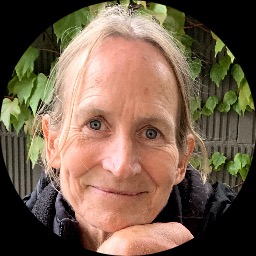
Lanette Bryant, LCSW
Licensed in Maine 4 years in practice Sessions online
Licensed social worker - mood and addiction support
Surnames under B in the A-Z of everyone listed
License on record
LCSW- LCSW, Maine
- LC21711
- NPI
- 1881302404 national provider identifier
- Years in practice
- 4
- Languages
- English
As listed on the therapist's public professional profile. Check any license with the state board and the NPI with the national registry.
About Lanette
Licensed Clinical Social Worker in Maine with 4 years of experience, Lanette Bryant helps people manage stress, anxiety, addiction concerns, trauma and abuse, bipolar disorder, depression, grief, anger, and LGBT-related issues. She also addresses attachment concerns, substance use, dissociation, and a range of personality and behavioral challenges. Lanette presents these areas plainly and focuses on practical support for day-to-day coping.
Lanette takes a direct, person-centered approach in sessions. She listens to what matters most and works with each person to set short-term goals.
Background and approach
Conversations focus on concrete strategies to reduce distress and improve functioning. Sessions often include skills practice and steps people can try between meetings. Her background is in social work practice in Maine, and she holds the LCSW credential.
That clinical experience includes supporting people with co-occurring mental health and addiction challenges. Lanette draws on evidence-based methods to help with mood regulation, addictive behaviors, and trauma processing. In therapy she uses a mix of approaches such as client-centered work, cognitive behavioral techniques, dialectical behavior strategies, mindfulness methods, and motivational interviewing.
Those tools are applied in straightforward ways: identifying unhelpful patterns, experimenting with different responses, and building coping skills. People who reach out can expect calm, practical conversations about what to try next. Lanette focuses on clear steps and real-life solutions rather than abstract theory.
She encourages follow-through and checks progress as goals evolve.
Focus areas and approaches
Everything Lanette lists on their public professional profile, in their own terms.
- Stress, Anxiety
- Addictions
- Trauma and abuse
- Bipolar disorder
- Depression
- LGBT
- Family conflicts
- Grief
- Anger management
- Antisocial personality
- Attachment issues
- Avoidant personality
- BDSM, kink, and alternative sex culture
- Co-morbidity
- Codependency
- Dependent personality
- Disruptive Mood Dysregulation Disorder (DMDD)
- Dissociation
- Domestic violence
- Drug and alcohol addiction
- Guilt and shame
- Immigration issues
- Impulsivity
- Intellectual disability
- Mood disorders
- Obsessions, compulsions, and OCD
- Panic disorder and panic attacks
- Paranoia
- Personality disorders
- Post-traumatic stress
- Seasonal Affective Disorder (SAD)
- Self-harm
- Self-love
- Sexual assault and abuse
- Social anxiety and phobia
- Traumatic brain injury
- Women's issues
- Young adult issues
Approaches Lanette names
- Client-Centered Therapy
- Cognitive Behavioral Therapy (CBT)
- Dialectical Behavior Therapy (DBT)
- Mindfulness Therapy
- Motivational Interviewing
- Solution-Focused Therapy
- Trauma-Focused Therapy
- Internal Family Systems
Naming an approach is not evidence of training in it. This directory copies what each therapist lists and does not check training records.
How Lanette Uses Evidence-Based Approaches Online
Client-centered therapy centers the person's goals and experiences. The therapist listens without judgment and helps identify what the client wants to change or maintain. This approach is useful for building trust and deciding concrete next steps.Cognitive Behavioral Therapy, or CBT, looks at how thoughts, feelings, and behaviors connect. Sessions often include tracking patterns, testing different responses, and practicing new skills to reduce anxiety or depressive symptoms. CBT is commonly used for mood disorders and anxiety-related concerns.
Dialectical Behavior Therapy, or DBT, emphasizes emotion regulation, distress tolerance, and interpersonal effectiveness. It offers skills to manage intense emotions and reduce impulsive behaviors, which can help with mood instability and substance use problems.
Finding the right approach is part of the work. Lanette will discuss options and help decide which methods fit the person's goals, preferences, and current challenges. This is a collaborative process and the plan can change as needs evolve.
Confirm the available session formats before booking, as specific online options are not listed here. Online sessions can make it easier to fit therapy into a busy day, allow shorter check-ins when needed, and reduce travel time. Those practical benefits can help people maintain consistency and try skills learned in sessions during everyday life.
We will earn a commission if you sign up through our link, at no cost to you. It does not change what you pay or the order of the listings.
Questions about Lanette
What concerns does she focus on most?
She commonly helps with stress, anxiety, addictions, trauma and abuse, bipolar disorder, depression, grief, and anger. Additional focuses include attachment issues, dissociation, and certain personality and behavioral challenges.
How would you describe her therapeutic style?
Her style is practical and client-centered. Sessions emphasize listening first, setting short-term goals, and practicing skills between meetings.
How much professional experience does she have?
Lanette has four years of professional experience working in social work settings. That time includes supporting people with co-occurring mental health and substance use concerns.
What credential and location are listed?
She holds an LCSW credential and is licensed in Maine.
Which languages are sessions offered in?
Sessions are offered in English only.
Does she work with clients outside the United States?
International clients are not currently accepted.
How are fees handled?
Cost varies by location and sessions use a subscription model that can be canceled at any time.
What are the first steps to begin working together?
Pick the See online therapy options button, complete a short matching questionnaire, and schedule a first session to get started.
Before you start. This directory copies what each therapist lists and does not check licenses, training or availability. Confirm the license with the state board for the state you will be in during sessions.
If you are in crisis, call or text 988. In immediate danger, call 911.
Others licensed in Maine
See all in Maine
Terence Donahue
LCSW
Licensed Clinical Social Worker - anxiety and trauma
- Stress, Anxiety
- Relationship
- Trauma and abuse
Ursula Hanson
LCSW
Licensed Clinical Social Worker - Stress and Anxiety
- Stress, Anxiety
- Relationship
- Self esteem

Suzanne St Pierre-Donovan
LCSW
Licensed Clinical Social Worker - Stress and Anxiety
- Stress, Anxiety
- Grief
- Self esteem

Amanda Evans Powell
LCSW
Licensed Clinical Social Worker - stress and coping
- Stress, Anxiety
- Self esteem
- Coping with life changes
Is this your profile?
Ask us to correct a detail or take the page down.
Contact us