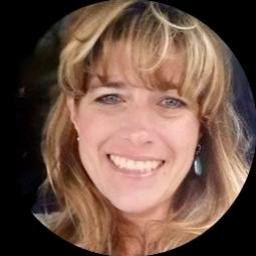
Sherrie Kuns-Mackert, LCSW
Licensed in California 30 years in practice Sessions online
Licensed Clinical Social Worker - stress and attention
Surnames under K in the A-Z of everyone listed
License on record
LCSW- LCSW, California
- 133005
- NPI
- 1891119350 national provider identifier
- Years in practice
- 30
- Languages
- English
As listed on the therapist's public professional profile. Check any license with the state board and the NPI with the national registry.
About Sherrie
Licensed Clinical Social Worker in California with 30 years of experience, Sherrie Kuns-Mackert helps people manage stress, anxiety, anger, depression, compassion fatigue, and attention concerns including ADHD. Sherrie uses straightforward conversation to identify what is most distressing right now. She listens for patterns in thinking, behavior, and daily routines.
Then she works with each person to set small, practical steps that fit their life. She often focuses on problems that cluster together, such as chronic pain with low mood, or attention difficulties with frustration and impulsivity.
Background and approach
She also addresses issues like abandonment, attachment struggles, dissociation, and substance use when those are part of the picture. First responder stress and coping after disasters are among the areas she has worked with over the years. Sessions center on clear goals and simple tools people can try between meetings.
Sherrie pays attention to communication problems, control issues, guilt, and shame, and helps people practice new responses to old patterns. She explains options in plain language and checks in about what is working. Her background spans three decades of clinical work in California.
People can expect a practical focus on day-to-day changes rather than long theoretical discussion. To begin, readers are directed to the site's process for selecting online therapy options and scheduling an initial session.
Focus areas and approaches
Everything Sherrie lists on their public professional profile, in their own terms.
- Stress, Anxiety
- Anger management
- Depression
- Compassion fatigue
- ADHD
- Abandonment
- Attachment issues
- Autism and Asperger Syndrome
- Chronic pain, illness, and disability
- Co-morbidity
- Communication problems
- Control issues
- Coping with natural or human-caused disaster
- Disruptive Mood Dysregulation Disorder (DMDD)
- Dissociation
- Drug and alcohol addiction
- First responder issues
- Forgiveness
- Guilt and shame
- Impulsivity
- Intellectual disability
- Life purpose
- Mood disorders
- Obsessions, compulsions, and OCD
- Panic disorder and panic attacks
- Paranoia
- Polyamory / non-monogamous relationships
- Post-traumatic stress
- Seasonal Affective Disorder (SAD)
- Self-harm
- Social anxiety and phobia
- Traumatic brain injury
- Trichotillomania
How therapeutic approaches are used in online sessions
Many clinicians use evidence-based techniques that target thinking and behavior. One common approach focuses on identifying unhelpful thought patterns and testing them against real-life evidence to reduce anxiety and low mood. This helps people notice automatic reactions and try alternative responses in everyday situations.Another frequently used method teaches concrete skills for managing emotions and impulses. That includes breathing or grounding steps, brief behavioral experiments, and simple planning to reduce overwhelm. These tools are useful for issues like anger, impulsivity, and attention problems.
Choosing the right approach is part of the work together. The therapist will review needs, goals, and preferences with the client and suggest techniques to try. This is a collaborative process and adjustments are made based on how the work is going.
Confirm current session options before booking. The practical benefits of online sessions include fitting appointments into a busy day, reducing travel time, and making it easier to check in between other responsibilities. Some people find shorter check-ins or phone conversations helpful when time or bandwidth is limited. Verify which formats are offered for this clinician and then plan sessions that fit everyday life.
We will earn a commission if you sign up through our link, at no cost to you. It does not change what you pay or the order of the listings.
Questions about Sherrie
What concerns does she help with most often?
She commonly works with stress, anxiety, anger, depression, compassion fatigue, and ADHD-related focus problems. She also addresses issues like abandonment, attachment, chronic illness, and substance use when they affect daily life.
What is her therapeutic approach and style?
Her approach is practical and goal-focused, using conversation to identify patterns and set small steps. She explains techniques in plain language and checks progress regularly.
How much clinical experience does she have?
She has 30 years of professional experience working in clinical settings. That experience includes work with first responder issues and disaster-related coping.
Where is she licensed and based?
She is a Licensed Clinical Social Worker (LCSW) licensed in California and practices with California clients in mind.
Which languages are supported in sessions?
Sessions are offered in English.
Does she work with international clients?
She does not accept international clients at this time.
How are sessions billed and what does it cost?
Cost varies with location. Sessions use a subscription that can be canceled at any time; readers should review subscription details on the site for exact pricing.
How do I begin working with her?
Start by selecting the See online therapy options button, complete the short matching questionnaire, and schedule a first session through the site.
Before you start. This directory copies what each therapist lists and does not check licenses, training or availability. Confirm the license with the state board for the state you will be in during sessions.
If you are in crisis, call or text 988. In immediate danger, call 911.
Others licensed in California
See all in California

Leticia Reed
LCSW
Licensed Clinical Social Worker - Trauma and Family Concerns
- Stress, Anxiety
- Trauma and abuse
- Grief

Dr. Sherrin Packer-Rosenthal
LCSW, LPCC
Licensed Clinical Social Worker - Stress and Parenting
- Stress, Anxiety
- Trauma and abuse
- Parenting

Daniel Navarro
LCSW
Licensed Clinical Social Worker - Addictions and Trauma
- Addictions
- Trauma and abuse
- Grief
Is this your profile?
Ask us to correct a detail or take the page down.
Contact us