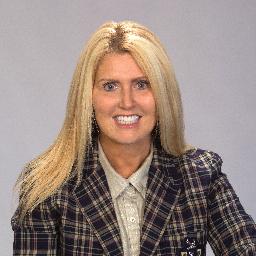
Theresa Grodi-Kennon, LCSW
Licensed in Florida 21 years in practice Sessions online
Licensed Clinical Social Worker - mood and coping support
Surnames under G in the A-Z of everyone listed
License on record
LCSW- LCSW, Florida
- SW2928
- NPI
- 1396480877 national provider identifier
- Years in practice
- 21
- Languages
- English
As listed on the therapist's public professional profile. Check any license with the state board and the NPI with the national registry.
About Theresa
Licensed Clinical Social Worker in Florida with 21 years of experience, Theresa Grodi-Kennon helps people manage stress, anxiety, depression, grief, parenting concerns, bipolar disorder, relationship and family challenges, trauma and abuse, sleep problems, anger, self-esteem, career questions, ADHD, and compassion fatigue. Theresa spent over 17 years working in psychiatric hospitals with adolescents, teens, and adults.
In recent years she has run a independent practice providing outpatient care. She describes her work as helping people reset their coping skills, rebuild a foundation, and regain confidence after setbacks.
Background and approach
Theresa approaches sessions as a team effort. She listens, helps label feelings, and offers problem-solving strategies and practical resources. She focuses on concrete changes clients can try between appointments and on building habits that support daily functioning.
She also works with grief and loss, guiding people through survivor feelings and the healing process. Theresa emphasizes straightforward interventions to reframe thoughts and reduce self-destructive patterns that can follow prolonged stress or depression. Clients can expect a nonjudgmental, supportive meeting where Theresa assesses the presenting problem and suggests techniques from several evidence-based approaches.
Her background in both inpatient and outpatient settings informs a practical style that blends listening with clear next steps. Theresa asks people to be open and honest so they can begin making changes. To start, she recommends completing the brief matching questionnaire and scheduling an initial session to review goals and plan treatment.
Focus areas and approaches
Everything Theresa lists on their public professional profile, in their own terms.
- Stress, Anxiety
- Grief
- Parenting issues
- Bipolar disorder
- Depression
- Relationship issues
- Family conflicts
- Trauma and abuse
- Sleeping disorders
- Anger management
- Self esteem
- Career difficulties
- Coping with life changes
- Compassion fatigue
- ADHD
- Aging and geriatric issues
- Blended family issues
- Body image
- Cancer
- Caregiver issues and stress
- Communication problems
- Divorce and separation
- Eating and food-related issues
- Family problems
- Midlife crisis
- Self-love
- Social anxiety and phobia
- Women's issues
- Young adult issues
Approaches Theresa names
- Acceptance and Commitment Therapy (ACT)
- Client-Centered Therapy
- Cognitive Behavioral Therapy (CBT)
- Emotionally-Focused Therapy (EFT)
- Psychodynamic Therapy
- Solution-Focused Therapy
Naming an approach is not evidence of training in it. This directory copies what each therapist lists and does not check training records.
How her approaches translate to online work
Acceptance and Commitment Therapy (ACT) focuses on noticing thoughts and choosing actions that match personal values. It can help with anxiety, depression, and coping with life changes by teaching practical skills for moving forward despite difficult feelings.Cognitive Behavioral Therapy (CBT) looks at how thoughts, feelings, and behaviors link together. It uses clear exercises to reframe unhelpful thinking and build new habits for sleep, mood, or stress-related problems.
Client-Centered Therapy emphasizes an accepting, listening stance from the therapist so clients can explore their concerns and make decisions. This approach supports people who need time to identify goals and regain confidence.
Theresa treats choosing an approach as a shared process. She will review needs, goals, and preferences with each person and recommend methods that fit those factors, adjusting the plan as work progresses.
Practical benefits of online care include easier scheduling and the ability to fit sessions into a busy life. Because the biography does not specify which session formats she offers, confirm the current options before booking. Many people find remote sessions reduce travel time and allow shorter check-ins when needed; therapists can also suggest tasks to practice between appointments so therapy fits into daily routines.
We will earn a commission if you sign up through our link, at no cost to you. It does not change what you pay or the order of the listings.
Questions about Theresa
What concerns does she commonly address?
She works with stress, anxiety, depression, grief, parenting issues, bipolar disorder, relationship and family problems, trauma, sleep difficulties, anger, self-esteem, ADHD, and compassion fatigue.
What is her therapeutic style?
She frames therapy as a team effort, combining listening with problem-solving and practical strategies to change thoughts and habits.
How much clinical experience does she have?
She has 21 years of experience, including over 17 years working in psychiatric hospitals and several years in personal outpatient practice.
What are her credentials and where is she based?
She holds an LCSW license in Florida and practices there.
Which languages are sessions offered in?
Sessions are offered in English.
Can international clients work with her?
She is not currently accepting international clients.
What session formats are available?
The original biography does not list specific session formats; confirm current options before booking.
How does cost and scheduling work?
Cost varies with location and sessions use a subscription that can be canceled at any time; to get started complete the matching questionnaire and schedule a first session.
Before you start. This directory copies what each therapist lists and does not check licenses, training or availability. Confirm the license with the state board for the state you will be in during sessions.
If you are in crisis, call or text 988. In immediate danger, call 911.
Others licensed in Florida
See all in Florida
Victoria Echeverry Navia
LCSW
Licensed Clinical Social Worker - Relationships and Stress
- Stress, Anxiety
- Relationship
- Family

Karina Flores
LCSW
Licensed Clinical Social Worker - Stress and Relationships
- Stress, Anxiety
- Relationship
- Self esteem

Matthew Mulock
LCSW
Licensed Clinical Social Worker - Anxiety and Trauma
- Stress, Anxiety
- Addictions
- Trauma and abuse

Suzanne Brabant
LCSW
Licensed Clinical Social Worker - Stress and Anxiety
- Stress, Anxiety
- Depression
- Coping with life changes
Is this your profile?
Ask us to correct a detail or take the page down.
Contact us