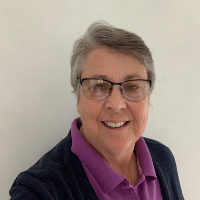
Kathy Rubendall, LCSW
Licensed in North Carolina 30 years in practice Sessions online
Licensed Clinical Social Worker - mood and life transitions
Surnames under R in the A-Z of everyone listed
License on record
LCSW- LCSW, North Carolina
- C001832
- NPI
- 1831781368 national provider identifier
- Years in practice
- 30
- Languages
- English
As listed on the therapist's public professional profile. Check any license with the state board and the NPI with the national registry.
About Kathy
Licensed Clinical Social Worker (LCSW) in North Carolina with 30 years of experience, Kathy Rubendall helps people who are dealing with stress, anxiety, addictions, grief, bipolar disorder, depression, relationship and family concerns, trauma and abuse, eating and sleeping problems, self-esteem, career changes, and compassion fatigue.
She also focuses on adoption and foster care concerns, aging and geriatric issues, attachment questions, body image, caregiving stress, chronic illness and pain, codependency, communication problems, and other life transitions.
Background and approach
Kathy uses a straightforward, interactive style in sessions. She listens to what matters most and works with each person to set clear goals. Conversation and practical strategies are the core of her work together with problem solving and skills practice.
Her approach combines client-centered therapy with cognitive behavioral methods and elements of dialectical behavior therapy and motivational interviewing. She also draws on solution-focused techniques to help people break large problems into smaller steps and try concrete changes between sessions. With many years in practice, Kathy brings experience helping people manage long-term mood conditions and complex life stressors.
She has worked with issues related to international adoption and with people affected by military service, among other concerns. Sessions emphasize realistic steps and regular review of progress. People who come to Kathy can expect clear feedback and practical exercises to use outside sessions.
She helps people build coping tools, practice new ways of thinking and acting, and track small improvements over time.
Focus areas and approaches
Everything Kathy lists on their public professional profile, in their own terms.
- Stress, Anxiety
- Addictions
- Grief
- Bipolar disorder
- Depression
- LGBT
- Relationship issues
- Family conflicts
- Trauma and abuse
- Eating disorders
- Sleeping disorders
- Self esteem
- Career difficulties
- Coping with life changes
- Compassion fatigue
- Adoption and foster care
- Aging and geriatric issues
- Attachment issues
- Body image
- Caregiver issues and stress
- Chronic pain, illness, and disability
- Co-morbidity
- Codependency
- Communication problems
- Control issues
- Disruptive Mood Dysregulation Disorder (DMDD)
- Drug and alcohol addiction
- Eating and food-related issues
- Emptiness
- Family of origin issues
- Family problems
- Forgiveness
- Guilt and shame
- Isolation / loneliness
- Life purpose
- Midlife crisis
- Veteran and Armed Forces Issues
- Money and financial issues
- Mood disorders
- Paranoia
- Postpartum depression
- Post-traumatic stress
- Process addiction (porn, exercise, gambling)
- Seasonal Affective Disorder (SAD)
- Smoking / vaping cessation
- Social anxiety and phobia
- Workplace issues
Approaches Kathy names
- Client-Centered Therapy
- Cognitive Behavioral Therapy (CBT)
- Dialectical Behavior Therapy (DBT)
- Motivational Interviewing
- Solution-Focused Therapy
Naming an approach is not evidence of training in it. This directory copies what each therapist lists and does not check training records.
How Kathy Uses Practical Approaches in Online Sessions
Client-centered therapy starts by focusing on the person's priorities. The therapist listens without directing and helps people clarify what they want to change. Cognitive Behavioral Therapy (CBT) looks at patterns of thinking and behavior and teaches skills to shift unhelpful habits. CBT can be useful for anxiety, depression, sleep problems, and some eating or substance concerns. Dialectical Behavior Therapy (DBT) emphasizes emotion regulation, distress tolerance, and improving interpersonal effectiveness. DBT strategies can help when emotions feel intense or when relationships are strained.Finding the right mix of methods is part of the work. Kathy will collaborate with each person to decide which approaches fit their goals and preferences. They review progress and adjust techniques based on what is helping and what is not.
The practical benefits of online work are about fitting care into daily life. Confirm the current session formats before booking to learn which options are offered. Online sessions can make it easier to keep regular appointments, reduce travel time, and allow shorter check-ins when needed. The therapist will discuss how to structure sessions and which techniques to use so therapy fits into a person's schedule and supports steady progress.
We will earn a commission if you sign up through our link, at no cost to you. It does not change what you pay or the order of the listings.
Questions about Kathy
What kinds of concerns does she address most often?
She works with stress, anxiety, addictions, grief, bipolar disorder, depression, relationship and family concerns, trauma and abuse, eating and sleeping issues, self-esteem, career transitions, and compassion fatigue.
How would you describe her therapeutic style?
Her style is interactive and client-centered, using respect and acceptance to guide sessions while focusing on practical problem solving.
How much experience does she have?
She has 30 years of clinical experience working with a wide range of mood and life adjustment concerns.
Is she licensed and where does she practice?
She is an LCSW licensed in North Carolina and provides services from that state.
Which languages are used in sessions?
Sessions are offered in English.
Does she work with clients outside the United States?
She does not accept international clients at this time.
How are fees handled?
Cost varies with location; sessions use a subscription that can be canceled at any time.
What are the first steps to begin working together?
Select the See online therapy options button, complete a short matching questionnaire, and schedule a first session.
Before you start. This directory copies what each therapist lists and does not check licenses, training or availability. Confirm the license with the state board for the state you will be in during sessions.
If you are in crisis, call or text 988. In immediate danger, call 911.
Others licensed in North Carolina
See all in North Carolina
Jessie Staton
LCSW
Licensed Clinical Social Worker - stress and relationships
- Stress, Anxiety
- Addictions
- Relationship

Jason Radosevich
LCSW
Licensed Clinical Social Worker - anxiety and relationships
- Stress, Anxiety
- Family
- Grief

Consuela Brown
LCSW
Licensed Clinical Social Worker - Relationships and Trauma
- Stress, Anxiety
- Relationship
- Trauma and abuse

Is this your profile?
Ask us to correct a detail or take the page down.
Contact us