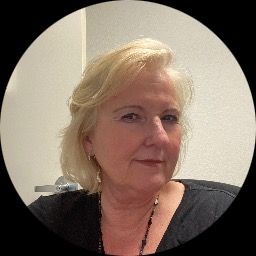
Shannon Hartman, LCSW
Licensed in California 15 years in practice Sessions online
Licensed Clinical Social Worker - Stress and Life Changes
Surnames under H in the A-Z of everyone listed
License on record
LCSW- LCSW, California
- 24736
- NPI
- 1932773181 national provider identifier
- Years in practice
- 15
- Languages
- English
As listed on the therapist's public professional profile. Check any license with the state board and the NPI with the national registry.
About Shannon
Licensed Clinical Social Worker (CA LCSW) with 15 years of experience, Shannon Hartman helps people who are dealing with stress, anxiety, grief, depression, and major life changes. She also supports those facing compassion fatigue, addiction concerns, relationship and intimacy challenges, sleep trouble, anger, and issues with self-esteem and career direction.
Shannon works from the view that people know their story and bring strengths into sessions. She uses that knowledge to help clients identify practical steps they can try between meetings.
Background and approach
Conversations are direct and focused on what is happening now and what can change next. Her work draws on several evidence-informed approaches, including cognitive behavioral ideas to spot unhelpful thinking patterns, acceptance and commitment methods to clarify values and action, and attachment-based thinking to understand relational patterns.
She also uses client-centered methods to keep sessions aligned with each person's concerns and existential ideas to address big life questions. Sessions are suited for people handling loss, mood problems, trauma, caregiver stress, and life transitions. Shannon lists additional focus areas such as abandonment, communication problems, caregiver issues, first responder stress, HIV/AIDS related concerns, and hospice or end-of-life counseling.
Shannon is based in California and offers therapy in English. Her practical style is aimed at helping people make small, workable changes that fit into everyday life. To begin, clients follow the site's process to select online therapy options and schedule a first session.
Focus areas and approaches
Everything Shannon lists on their public professional profile, in their own terms.
- Stress, Anxiety
- Grief
- Depression
- Coping with life changes
- Compassion fatigue
- Addictions
- LGBT
- Relationship issues
- Family conflicts
- Trauma and abuse
- Intimacy-related issues
- Sleeping disorders
- Anger management
- Self esteem
- Career difficulties
- Abandonment
- Attachment issues
- Caregiver issues and stress
- Communication problems
- Control issues
- Divorce and separation
- First responder issues
- Forgiveness
- Guilt and shame
- HIV / AIDS
- Hospice and end-of-life counseling
- Impulsivity
- Isolation / loneliness
- Life purpose
- Mood disorders
- Narcissism
- Self-love
- Social anxiety and phobia
- Women's issues
- Workplace issues
Approaches Shannon names
- Acceptance and Commitment Therapy (ACT)
- Attachment-Based Therapy
- Client-Centered Therapy
- Cognitive Behavioral Therapy (CBT)
- Existential Therapy
Naming an approach is not evidence of training in it. This directory copies what each therapist lists and does not check training records.
How her approaches translate to online work
Acceptance and Commitment Therapy (ACT) helps people notice what matters to them and take small actions that align with those values. It is useful for persistent anxiety, low mood, or trouble making meaningful choices. Cognitive Behavioral Therapy (CBT) focuses on identifying patterns of thinking and behavior that maintain distress and testing new, practical ways of responding. That approach often helps with anxiety, depression, sleep problems, and anger. Attachment-Based Therapy looks at how early and current relationships shape reactions and expectations; it can clarify patterns that affect intimacy and communication.Deciding which approach to use is a collaborative process. The therapist will talk with the client about problems, goals, and preferences, and then try methods that fit those aims. Sessions can mix techniques from different approaches when that makes sense for the person's needs.
The biography does not specify session formats, so confirm current online session options before booking. Online work can make it easier to fit therapy into an everyday schedule, allow shorter check-ins when time is limited, and remove travel time. It also lets people continue work when relocating within the same state. If a format matters for your situation, check the listed options during booking so sessions match your day-to-day needs.
We will earn a commission if you sign up through our link, at no cost to you. It does not change what you pay or the order of the listings.
Questions about Shannon
What concerns does she commonly address?
Shannon works with stress, anxiety, grief, depression, coping with life changes, compassion fatigue, addictions, relationship and intimacy issues, sleep problems, anger, self-esteem, and career concerns among others.
What approaches does she use in sessions?
She uses Acceptance and Commitment Therapy (ACT), Attachment-Based Therapy, Client-Centered Therapy, Cognitive Behavioral Therapy (CBT), and Existential Therapy to guide conversations and plan practical steps.
How much clinical experience does she have?
She has 15 years of professional work experience supporting people with a range of emotional and life challenges.
Where is she licensed and practicing?
She is a Licensed Clinical Social Worker (CA LCSW) licensed in California and practices from that state.
Which languages are supported for sessions?
Sessions are offered in English.
Can international clients work with her?
She is not currently accepting international clients.
How are sessions paid for and what is the cost?
Cost varies with location and sessions use a subscription model that can be canceled at any time.
How do I start a first session?
Select the See online therapy options button, complete the short matching questionnaire, and schedule a first session through the site.
Before you start. This directory copies what each therapist lists and does not check licenses, training or availability. Confirm the license with the state board for the state you will be in during sessions.
If you are in crisis, call or text 988. In immediate danger, call 911.
Others licensed in California
See all in California

Leticia Reed
LCSW
Licensed Clinical Social Worker - Trauma and Family Concerns
- Stress, Anxiety
- Trauma and abuse
- Grief

Dr. Sherrin Packer-Rosenthal
LCSW, LPCC
Licensed Clinical Social Worker - Stress and Parenting
- Stress, Anxiety
- Trauma and abuse
- Parenting

Daniel Navarro
LCSW
Licensed Clinical Social Worker - Addictions and Trauma
- Addictions
- Trauma and abuse
- Grief
Is this your profile?
Ask us to correct a detail or take the page down.
Contact us