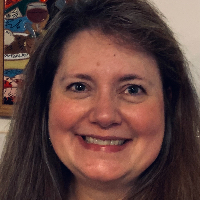
Sharron Lewis, LCSW
Licensed in Louisiana 24 years in practice Sessions online
Licensed Clinical Social Worker - stress and trauma
Surnames under L in the A-Z of everyone listed
License on record
LCSW- LCSW, Louisiana
- 8207
- NPI
- 1306984513 national provider identifier
- Years in practice
- 24
- Languages
- English
As listed on the therapist's public professional profile. Check any license with the state board and the NPI with the national registry.
About Sharron
Licensed Clinical Social Worker, Louisiana. 24 years of clinical experience. Sharron Lewis helps people with stress, anxiety, addictions, depression, trauma and abuse, relationship and family concerns, grief, intimacy-related issues, sleep problems, parenting strain, anger, self-esteem, career questions, bipolar concerns, coping with life changes, and compassion fatigue. She trained at the University of Washington and holds an LCSW.
Her early work included inpatient psychiatry at a Veterans Administration hospital. Since returning to Louisiana, she has worked in child welfare, community mental health, and personal hospital settings.
Background and approach
For the last 13 years she led an Intensive Outpatient Program as Clinical Director, providing both group and individual psychotherapy. In sessions she uses practical, skills-based methods. She draws on cognitive behavioral techniques to change unhelpful thoughts and behaviors.
Dialectical behavior strategies are used for emotion regulation and distress tolerance. Acceptance and Commitment Therapy helps people clarify values and take committed action. Sharron also uses attachment-based ideas to look at relationship patterns and how early bonds affect current reactions.
Client-centered methods guide how she listens and responds. Mindfulness and body-awareness practices are included to connect physical sensations with emotional states. Sessions focus on clear goals and step-by-step plans.
She works with individuals to identify problems, try new coping skills, and adjust approaches over time. People who come for help can expect straightforward feedback, practical exercises, and a plan that changes with progress.
Focus areas and approaches
Everything Sharron lists on their public professional profile, in their own terms.
- Stress, Anxiety
- Addictions
- Relationship issues
- Family conflicts
- Depression
- Trauma and abuse
- Grief
- Intimacy-related issues
- Sleeping disorders
- Parenting issues
- Anger management
- Self esteem
- Career difficulties
- Bipolar disorder
- Coping with life changes
- Compassion fatigue
- Abandonment
- Attachment issues
- Chronic pain, illness, and disability
- Codependency
- Communication problems
- Divorce and separation
- Emptiness
- Family of origin issues
- Family problems
- Forgiveness
- Guilt and shame
- Impulsivity
- Isolation / loneliness
- Jealousy
- Life purpose
- Mood disorders
- Obsessions, compulsions, and OCD
- Panic disorder and panic attacks
- Paranoia
- Personality disorders
- Postpartum depression
- Post-traumatic stress
- Seasonal Affective Disorder (SAD)
- Self-love
- Social anxiety and phobia
- Women's issues
Approaches Sharron names
- Acceptance and Commitment Therapy (ACT)
- Attachment-Based Therapy
- Client-Centered Therapy
- Cognitive Behavioral Therapy (CBT)
- Dialectical Behavior Therapy (DBT)
- Mindfulness Therapy
Naming an approach is not evidence of training in it. This directory copies what each therapist lists and does not check training records.
How her approaches are used in online sessions
Sharron commonly draws on Acceptance and Commitment Therapy and Cognitive Behavioral Therapy in her work. ACT involves noticing thoughts and feelings, clarifying what matters, and taking small actions that align with those values; it can help with anxiety, avoidance, and life transitions. CBT focuses on identifying and testing unhelpful thoughts and changing behaviors through practical exercises; it is useful for anxiety, depression, and some coping skills.She also integrates attachment-based ideas to look at relationship patterns and how earlier connections shape current responses. These models are used together in a collaborative way. The therapist and client will review goals, try approaches, and adjust methods based on what helps most.
If you plan to use online sessions, confirm the platform and session options before booking. Online work can make it easier to fit therapy into a weekday, allow shorter check-in visits, or avoid travel time. It can also let people practice skills in their daily environment. Ask about specific session formats when you schedule so you know how appointments are run.
We will earn a commission if you sign up through our link, at no cost to you. It does not change what you pay or the order of the listings.
Questions about Sharron
What concerns does she work with most often?
She supports people dealing with stress, anxiety, addictions, depression, trauma and related issues like grief, intimacy, sleep problems, parenting strain, and compassion fatigue.
How would you describe her therapy style?
Her approach is skills-based and practical. She uses CBT, DBT, ACT, attachment ideas, and mindfulness to address thought patterns, emotion regulation, and body awareness.
How much clinical experience does she have?
She has 24 years of experience, including work in inpatient psychiatry, child welfare, community mental health, hospitals, and 13 years as a Clinical Director for an Intensive Outpatient Program.
Where is she licensed and practicing?
She is a Licensed Clinical Social Worker (LCSW) licensed in Louisiana.
In what languages can sessions be held?
Sessions are offered in English.
Can international clients work with her?
International clients are not currently accepted.
How does payment and cost work?
Cost varies with location and sessions use a subscription that can be canceled at any time.
How do I begin working with her?
Use the See online therapy options button, complete a short matching questionnaire, and schedule a first session.
Before you start. This directory copies what each therapist lists and does not check licenses, training or availability. Confirm the license with the state board for the state you will be in during sessions.
If you are in crisis, call or text 988. In immediate danger, call 911.
Others licensed in Louisiana
See all in Louisiana
Penni Fontenot
LCSW
Licensed Clinical Social Worker - Stress and Anxiety
- Stress, Anxiety
- Grief
- Self esteem
Dr. Lawana Mabry
LCSW
Licensed Clinical Social Worker - Trauma and Life Changes
- Stress, Anxiety
- Anger
- Self esteem
Darlene Rhodes
LCSW
Licensed Clinical Social Worker - stress and relationships
- Stress, Anxiety
- Relationship
- Self esteem
Is this your profile?
Ask us to correct a detail or take the page down.
Contact us