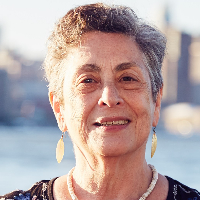
Toby Faye Mailman, LCSW
Licensed in New York 25 years in practice Sessions online
Licensed Clinical Social Worker - stress and trauma
Surnames under M in the A-Z of everyone listed
License on record
LCSW- LCSW, New York
- 063392
- NPI
- 1447320882 national provider identifier
- Years in practice
- 25
- Languages
- English, Spanish
As listed on the therapist's public professional profile. Check any license with the state board and the NPI with the national registry.
About Toby
Licensed Clinical Social Worker, New York. 25 years of experience. Toby Faye Mailman focuses on stress, anxiety, trauma and abuse, self-esteem, depression, relationship concerns, grief, parenting, anger, career changes, coping with life changes, and compassion fatigue. Toby uses a straightforward, problem-solving style.
She describes her role as a coach who helps people notice the strengths they already have. Sessions are organized to help clients try new skills and make decisions that feel manageable.
Background and approach
She trained at New York University and has worked with individual adults since 2001. Her practice includes work with people from diverse ethnic and cultural backgrounds. She pays attention to how culture affects the concerns people bring to therapy.
Her work draws on several approaches. Cognitive Behavioral Therapy helps people test and change patterns of thinking and behavior. Attachment-based ideas look at how past relationships affect current ones.
Client-centered methods focus on the client’s experience in the room and on building a working relationship. Toby favors regular sessions, usually weekly or every other week, because she finds consistent meetings help progress. She asks for advance notice for scheduling changes and suggests checking with her before moving appointments, since other regular times may already be in use.
Sessions often start by clarifying practical goals and immediate steps. Over time the focus can shift to longer-term patterns, coping strategies, and improving day-to-day functioning. She works in English and Spanish and practices in New York.
Focus areas and approaches
Everything Toby lists on their public professional profile, in their own terms.
- Stress, Anxiety
- Trauma and abuse
- Self esteem
- Depression
- Relationship issues
- Grief
- Parenting issues
- Anger management
- Career difficulties
- Coping with life changes
- Compassion fatigue
- Abandonment
- Caregiver issues and stress
- Chronic pain, illness, and disability
- Co-morbidity
- Commitment issues
- Communication problems
- Control issues
- Coping with natural or human-caused disaster
- Domestic violence
- Drug and alcohol addiction
- First responder issues
- Forgiveness
- Guilt and shame
- HIV / AIDS
- Hoarding
- Immigration issues
- Mood disorders
- Multicultural concerns
- Obsessions, compulsions, and OCD
- Panic disorder and panic attacks
- Personality disorders
- Phobias
- Post-traumatic stress
- Self-harm
- Sexual assault and abuse
- Social anxiety and phobia
- Women's issues
Approaches Toby names
- Attachment-Based Therapy
- Client-Centered Therapy
- Cognitive Behavioral Therapy (CBT)
- Dialectical Behavior Therapy (DBT)
- Emotionally-Focused Therapy (EFT)
- Existential Therapy
- Mindfulness Therapy
- Motivational Interviewing
- Narrative Therapy
- Psychodynamic Therapy
- Solution-Focused Therapy
- Trauma-Focused Therapy
- Internal Family Systems
Naming an approach is not evidence of training in it. This directory copies what each therapist lists and does not check training records.
How her approaches inform online work
Attachment-based work looks at how early relationship patterns shape current feelings and interactions; online sessions can use conversation and focused reflection to notice those patterns and try new responses. Cognitive Behavioral Therapy (CBT) helps people spot unhelpful thoughts and test new behaviors; CBT sessions typically include concrete exercises and short at-home practice. Client-centered methods prioritize the client’s experience in the moment and rely on a steady relationship to guide progress.Choosing the best approach is part of the process. The therapist will review your goals and preferences and then suggest which methods to try. That choice is collaborative and can change as work proceeds.
The practical benefits of remote work include fitting sessions into a busy schedule and reducing travel time. Remote sessions can also allow shorter check-ins when a full hour is not needed, or make it easier to continue work during busy weeks. Because formats were not specified in the biography, confirm current session options before booking so you know what kinds of remote meetings are offered.
We will earn a commission if you sign up through our link, at no cost to you. It does not change what you pay or the order of the listings.
Questions about Toby
What concerns does she address most often?
She works with stress, anxiety, trauma and abuse, depression, self-esteem, grief, parenting and related issues listed in her profile.
How would you describe her therapeutic style?
She functions as a coach who helps people identify strengths and develop practical skills. Sessions balance short-term problem solving and longer-term pattern work.
How much clinical experience does she have?
She has 25 years of experience working with individual adults in clinical practice since 2001.
What are her credentials and practice location?
She is a New York LCSW practicing in New York state.
In which languages can sessions be conducted?
Sessions are offered in English and Spanish.
Can people outside the United States work with her?
She does not accept international clients at this time.
How are sessions scheduled and billed?
Cost varies with location and sessions use a subscription that can be canceled at any time.
What are the first steps to begin working together?
Use the See online therapy options button, complete a short matching questionnaire, and schedule a first session.
Before you start. This directory copies what each therapist lists and does not check licenses, training or availability. Confirm the license with the state board for the state you will be in during sessions.
If you are in crisis, call or text 988. In immediate danger, call 911.
Others licensed in New York
See all in New York
Kenton Curtis
LCSW
Licensed Clinical Social Worker - relationships and LGBT issues
- LGBT
- Relationship
- Family

Asma Alqahtani
LCSW
Licensed Clinical Social Worker - Stress and relationships
- Stress, Anxiety
- Relationship
- Self esteem

Malikah Z Shaheed
LCSW
Licensed Clinical Social Worker - Trauma and Addictions
- Addictions
- Family
- Trauma and abuse
Amannda Walworth
LCSW
Licensed Clinical Social Worker - Stress and Trauma
- Stress, Anxiety
- Family
- Trauma and abuse
Is this your profile?
Ask us to correct a detail or take the page down.
Contact us