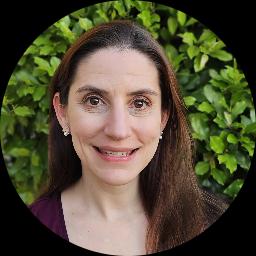
Miranda Wichelns, LCSW, CSW
Licensed in Colorado and California 19 years in practice Sessions online
Licensed Clinical Social Worker - grief and illness support
Surnames under W in the A-Z of everyone listed
License on record
LCSW- LCSW, Colorado
- CSW.09930593
- LCSW, California
- 26788
- NPI
- 1356213532 national provider identifier
- Years in practice
- 19
- Languages
- English
As listed on the therapist's public professional profile. Check any license with the state board and the NPI with the national registry.
About Miranda
Licensed Clinical Social Worker licensed in Colorado and California with 19 years of experience, Miranda Wichelns helps people manage stress, anxiety, grief, low self-esteem, depression, and life changes. She has spent much of her career supporting people dealing with serious illness, caregiving demands, end-of-life care, bereavement, and pediatric oncology contexts. Miranda’s work focuses on real problems and clear steps forward.
Miranda uses practical conversation and steady presence to help people sort through what matters most.
Background and approach
She listens for how relationships and past hurts show up now, and she helps people notice patterns that keep them stuck. Sessions often include examining thoughts and behaviors, and attending to attachment needs that affect current relationships. Her background includes hospice and palliative care, bereavement and grief counseling, and work with military and veterans.
That clinical experience informs how she talks about loss, chronic illness, and caregiver stress. Miranda draws on many approaches to match a person’s current concerns. She combines client-centered ways of working with cognitive behavioral techniques to address unhelpful thoughts and actions.
When attachment issues or relationship distress are central, she brings in attachment-focused and emotionally-focused methods. Existential themes such as meaning and facing uncertainty are part of conversations when they arise. Miranda keeps language plain and concrete.
She will outline steps, try different strategies, and check in about what helps. People who want straightforward talk about grief, illness, caregiving, or major life changes will find a clinician experienced in those areas.
Focus areas and approaches
Everything Miranda lists on their public professional profile, in their own terms.
- Stress, Anxiety
- Grief
- Self esteem
- Depression
- Coping with life changes
- Abandonment
- Aging and geriatric issues
- Attachment issues
- Blended family issues
- Body image
- Cancer
- Caregiver issues and stress
- Chronic pain, illness, and disability
- Co-morbidity
- Communication problems
- Control issues
- Coping with natural or human-caused disaster
- Divorce and separation
- Emptiness
- Family of origin issues
- Family problems
- First responder issues
- Forgiveness
- Gender dysphoria
- Guilt and shame
- HIV / AIDS
- Hospice and end-of-life counseling
- Isolation / loneliness
- Life purpose
- Midlife crisis
- Veteran and Armed Forces Issues
- Mood disorders
- Multicultural concerns
- Panic disorder and panic attacks
- Paranoia
- Phobias
- Postpartum depression
- Post-traumatic stress
- Pregnancy and childbirth
- Seasonal Affective Disorder (SAD)
- Self-harm
- Self-love
- Sexuality
- Social anxiety and phobia
- Somatization
- Traumatic brain injury
- Women's issues
- Workplace issues
- Young adult issues
Approaches Miranda names
- Attachment-Based Therapy
- Client-Centered Therapy
- Cognitive Behavioral Therapy (CBT)
- Emotionally-Focused Therapy (EFT)
- Existential Therapy
- Mindfulness Therapy
- Motivational Interviewing
- Narrative Therapy
- Psychodynamic Therapy
- Solution-Focused Therapy
- Somatic Therapy
- Trauma-Focused Therapy
- Internal Family Systems
- Systemic Therapy
Naming an approach is not evidence of training in it. This directory copies what each therapist lists and does not check training records.
How attachment and cognitive approaches work online
Attachment-Based Therapy focuses on how early relationships affect current bonds. In sessions the therapist helps identify patterns of closeness and distance and how those patterns affect feelings and behavior. This approach is useful when relationship worries or recurring trust issues are part of the problem.Client-Centered Therapy centers on listening and reflecting what a person is saying. The therapist follows the person’s lead, clarifies concerns, and supports the person in making their own choices. This method helps when someone needs space to talk through grief, role changes, or stress without being pushed toward a specific solution.
Cognitive Behavioral Therapy (CBT) looks at how thoughts and actions keep problems going. Sessions include noticing unhelpful thoughts, testing them, and trying small behavioral changes. CBT is often helpful for anxiety, low mood, and coping with life changes.
Finding the right approach is part of the work. The therapist will talk with the person about goals, preferences, and what feels most useful. That conversation guides whether attachment, client-centered, CBT, or another approach is emphasized, and it can change over time as needs evolve.
Confirm the current session formats before booking so you know how sessions are delivered. Online options can make it easier to fit sessions into a busy week, allow shorter check-ins when needed, and remove travel time from appointments. These practical benefits help people maintain regular contact while they work on grief, caregiving stress, or everyday anxiety.
We will earn a commission if you sign up through our link, at no cost to you. It does not change what you pay or the order of the listings.
Questions about Miranda
What concerns does she commonly address?
She works with stress, anxiety, grief, low self-esteem, depression, and coping with life changes. Additional topics include caregiver stress, chronic illness, and family of origin issues.
How would you describe her therapy style?
She combines client-centered conversation with practical techniques. That means listening closely while also suggesting specific ways to change thoughts and behavior.
What relevant experience does she bring?
She has 19 years of clinical experience, including hospice, palliative care, pediatric oncology, and bereavement work. She has also worked with military and veterans and people living with serious illness.
Which licenses does she hold and where is she based?
She is a Licensed Clinical Social Worker with licenses in Colorado and California and practices from Colorado.
In what language are sessions offered?
Sessions are offered in English.
Does she work with international clients?
She is not currently accepting international clients.
How are fees handled and what about cost?
Cost varies by location and sessions use a subscription model that can be canceled at any time. Specific pricing depends on the chosen subscription and location.
What should I do to begin working together?
Click the See online therapy options button, complete a short matching questionnaire, and schedule a first session. That process connects you and sets up the initial appointment.
Before you start. This directory copies what each therapist lists and does not check licenses, training or availability. Confirm the license with the state board for the state you will be in during sessions.
If you are in crisis, call or text 988. In immediate danger, call 911.
Others licensed in Colorado
See all in Colorado
Lakeisha Riley
LCSW, CSW
Licensed Clinical Social Worker - Stress and Trauma
- Stress, Anxiety
- Trauma and abuse
- Self esteem

Charlene Samuels
LCSW, CSW
Licensed Clinical Social Worker - mood and trauma
- Stress, Anxiety
- Trauma and abuse
- Self esteem

Nachshon Zohari
LCSW, CSW
Licensed Clinical Social Worker - Addiction and Trauma
- Stress, Anxiety
- Addictions
- Trauma and abuse

Heidi Reichhold-Caruso
LCSW, CSW
Licensed Clinical Social Worker - stress and addiction
- Stress, Anxiety
- Addictions
- Trauma and abuse
Is this your profile?
Ask us to correct a detail or take the page down.
Contact us